How a 35-Person Motion Shop Took Warner Bros. From Full-Service Agencies
Studios are abandoning full-service entertainment agencies for boutique motion specialists. AV Squad's Dune campaign proves vertical dominance beats horizontal breadth.
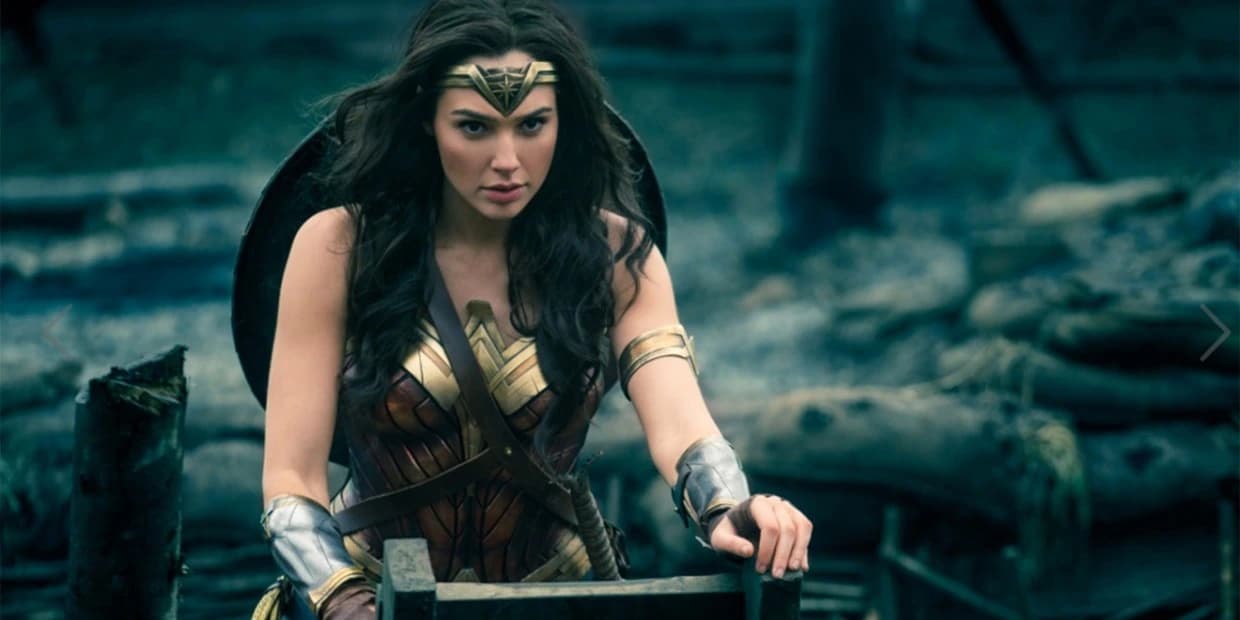
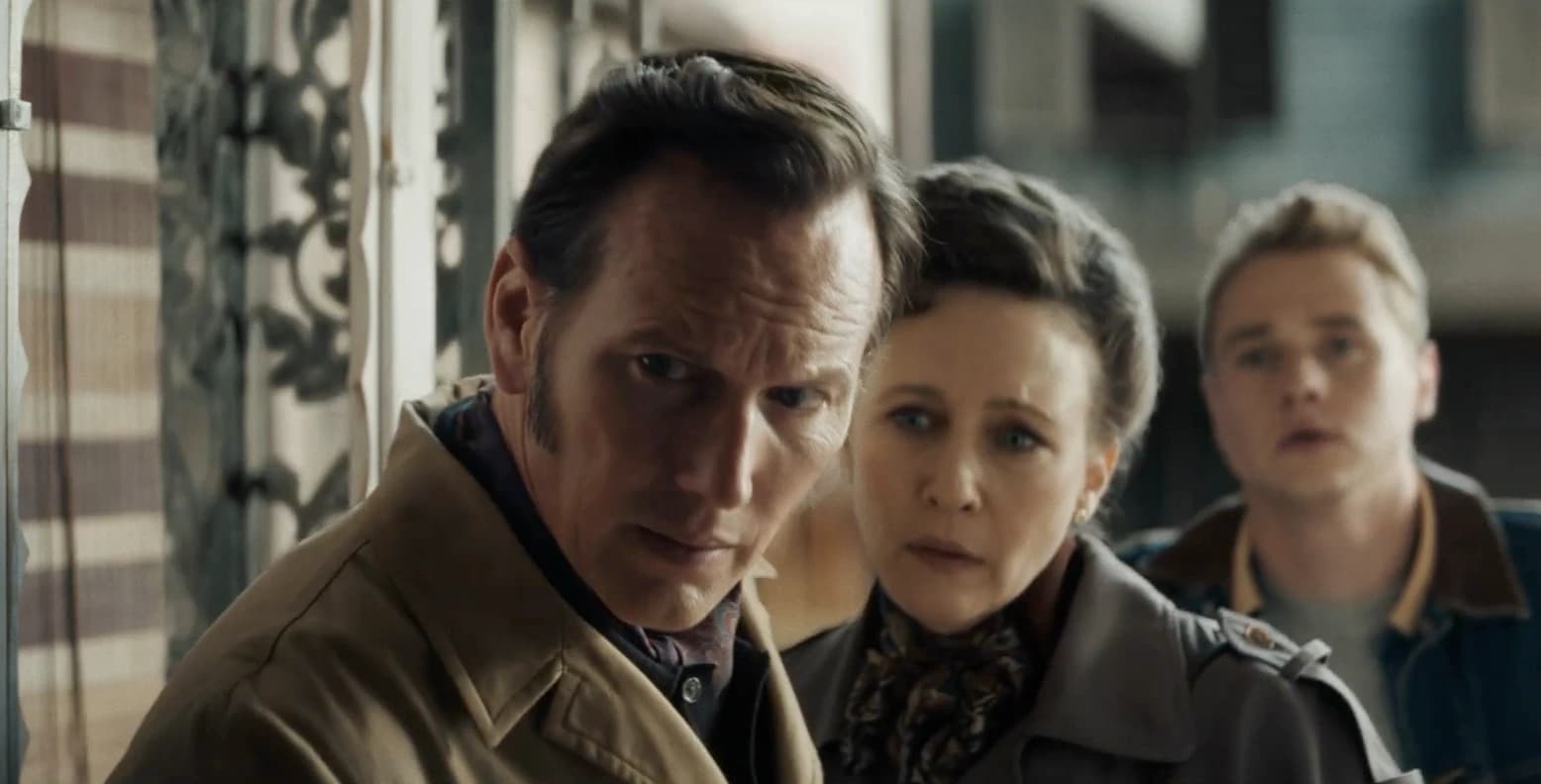
When Warner Bros. needed the trailer for Dune: Part Two to hit differently than anything they'd done before, they didn't call the usual suspects. They called AV Squad, a 35-person motion shop in Los Angeles that had never touched a tentpole of that scale. The shop had built its reputation on music videos and brand spots. Warner gave them $200 million worth of Timothée Chalamet close-ups and said: make people feel the sand in their teeth.
Three months later, the trailer dropped. 82 million views in 48 hours. Social sentiment scores 40% higher than Dune: Part One's campaign. Warner came back for the second trailer, then the third, then briefed AV Squad on Godzilla x Kong: The New Empire. Legendary called about Monsterverse extensions. By early 2024, AV Squad had worked on launch materials for 7 major studio releases in 18 months, all while maintaining a client roster that includes Nike, Apple Music, and Spotify.
AV Squad's trajectory follows a pattern visible across the industry. Hollywood studios are reallocating tentpole launch budgets away from full-service entertainment shops and toward boutique motion specialists who built their craft outside the traditional studio system. The shift is quiet but structural. The playbook these shops are running: trade horizontal service breadth for vertical craft depth. Own one thing completely instead of offering everything adequately. Make the work so undeniable that Fortune 500 brands and $200M theatrical releases both want the same surgical precision.
The Full-Service Trap Hollywood Studios Are Abandoning
For two decades, the entertainment marketing model worked like this: studios maintained relationships with 4-6 full-service agencies. Those agencies pitched for tentpole work. The shop with the best deck won the trailer contract, the TV spots, the social assets, the talent press kits, sometimes even the junket backdrops. One agency, full campaign, complete service stack.
That model is breaking. Not because full-service shops got worse. Because the creative bar for tentpole launch materials got higher and the tactical distribution landscape got exponentially more complex at the same time. Studios started realizing that the agency great at cutting a 2:30 theatrical trailer wasn't necessarily great at creating 47 social cutdowns optimized for TikTok's first 3 seconds. The shop that nailed the character posters wasn't the same shop that understood how to architect a motion system scalable across IMAX, standard, and mobile formats.
Full-service became full-compromise. Studios wanted specialists. They just didn't know where to find them because the specialists weren't entertainment agencies. They were boutique motion shops who'd spent years perfecting one craft: making things move in ways that arrest attention and build emotional momentum in compressed time.
AV Squad didn't position themselves as an entertainment agency. They positioned themselves as a motion studio. The distinction matters. "Entertainment agency" signals breadth: we do trailers, we do posters, we do press kits, we do junket support. "Motion studio" signals depth: we make things move with precision, rhythm, and emotional resonance regardless of what you're selling. Warner didn't hire them to run a campaign. Warner hired them to make the Dune: Part Two trailer feel like an event.
The work did what full-service breadth can't: it created a signature. You could watch an AV Squad trailer without seeing the logo and know it was theirs. The pacing, the sound design integration, the way motion built to crescendo then pulled back to let silence do the work. That's craft depth. That's what tentpole launches are paying for now.
Why Motion Specialists Win When Stakes Get Higher
The economics explain part of this. A boutique motion shop runs leaner than a full-service entertainment agency. AV Squad's 35-person team can move faster than a 200-person shop with account layers, strategy decks, and approval chains. When Warner called about Dune, AV Squad had the lead creative, the editor, and the motion designer in the same room within an hour. No deck. No strategy presentation. Just: here's the brief, here's the footage, here's the deadline.
But speed is table stakes. What's actually driving studios toward these shops is creative control and craft obsession. Boutique motion specialists don't have conflicting client priorities pulling focus. AV Squad isn't cutting a trailer for Dune while also managing a Coca-Cola rebrand and pitching Toyota. They're in deep on the one thing they do. That focus produces a different quality of output.
The craft shows up in details that full-service shops often lack bandwidth to perfect: the way a title card syncs to a musical beat at the frame level. How motion carries emotional tone across a 15-second social cutdown and a 2:30 theatrical spot without repeating visual language. The architectural logic of a trailer's rhythm, where every cut serves both narrative momentum and visceral impact. These are the obsessions of specialists. These are what $200M theatrical releases need when the trailer is the first $50M of marketing spend.
Studios are also realizing that boutique shops bring creative perspectives shaped outside the entertainment echo chamber. AV Squad's work for Nike taught them how to build emotion in 6 seconds. Their Apple Music campaigns taught them how to integrate sound as narrative structure, not decoration. Their Spotify work taught them how to create motion systems that scale across formats without losing signature. When they applied those skills to Dune, the result didn't look like every other tentpole trailer because their creative DNA came from a different place.
That's the vertical dominance playbook: build craft depth in one discipline by working across categories, then bring that cross-pollinated expertise back to the high-stakes work. Warner didn't hire a "movie trailer agency." They hired the shop whose motion work for non-entertainment brands proved they understood how to make 2 minutes feel like an event.
The Client Portfolio That Proves Specialization Works
Look at AV Squad's client list: Nike, Apple Music, Spotify, Givenchy, Warner Bros., Legendary Pictures, A24. That's not a random collection. That's a purposeful signal. Every brand on that roster values motion craft at the highest level. Every one of those clients could afford any agency in the world. They keep choosing a 35-person shop in LA because the shop owns motion in a way larger agencies can't.
The Nike relationship is instructive. AV Squad doesn't run Nike's full campaigns. They get called for the moments where motion has to do something specific: launch films that need to build emotional crescendo, product reveal spots where the motion system has to work across digital and retail, social assets where 3 seconds have to convey what 30 seconds used to. Nike has massive agency relationships with Wieden+Kennedy, Anomaly, and others. They brief AV Squad when the work requires motion precision those shops don't specialize in.
That's the model. Don't try to be the AOR. Be the specialist the AOR calls when the stakes are highest. Be the shop Warner briefs directly because the full-service agency they're using for the rest of the campaign can't deliver at this level of motion craft.
The financial logic supports this. AV Squad's revenue model isn't built on retainers and monthly fees. It's built on project rates that reflect specialist value. A tentpole trailer project pays what a full integrated campaign used to pay, but delivers in 8 weeks instead of 6 months. The margin structure is better. The creative control is total. The portfolio value is exponentially higher. One Dune: Part Two trailer does more for the agency's reputation than 50 regional bank campaigns.
Specialization also creates competitive moats full-service shops can't replicate. If Warner wanted to bring Dune work in-house or shift it to a holdco agency, they'd need to rebuild the specific craft expertise AV Squad has. That's not a hire. That's not a department. That's years of focused iteration on one discipline. The switching cost is creative risk on a $200M release. So Warner keeps coming back. Then Legendary calls. Then A24 wants the same treatment for their art-house tentpoles.
What This Means for Independent Agencies Choosing Their Lane
The AV Squad trajectory is a playbook: own one thing completely, make it undeniable, let the quality create the market gravity. But the principles apply beyond motion. Any independent agency debating whether to expand services or deepen craft should study this.
Specialization is a bet that mastery creates more value than breadth. That bet pays off when three conditions align: the craft you're mastering is genuinely difficult to replicate, the quality threshold required is higher than what generalists can deliver, and the clients who need that quality level will pay a premium for it. Motion meets all three. So do certain other creative disciplines: branded content production, experiential design, sonic identity, editorial platforms, performance creative for direct-to-consumer brands.
What doesn't work: specializing in something commoditized. "We only do social media" isn't a moat when 10,000 agencies offer the same capability. "We only do TikTok-first creative for DTC beauty brands launching on performance budgets under $50K" might be. The specificity has to create defensible expertise.
The other lesson: specialists don't stay small because they can't grow. They stay focused because focus is the strategy. AV Squad is 35 people. They could be 100. They could open offices, expand services, take on full campaigns. They don't. The 35-person constraint forces quality control. Every person touches the work. The founders review every frame. That's not scale limitation. That's strategic discipline.
Independence amplifies this. AV Squad doesn't have a holding company mandate to grow headcount 15% annually. They don't have a P&L target that requires taking mediocre work to fill capacity. They take the projects that advance the craft and decline everything else. That curatorial freedom is what allows them to maintain the quality threshold that wins Warner and Nike.
The risk: what happens when the market shifts? If motion craft gets commoditized by AI tools or if studios swing back to full-service consolidation? Specialists are vulnerable to category disruption. But the counterargument is that deep craft expertise adapts better than broad service offerings. AV Squad's motion principles apply whether they're cutting trailers or creating AI-assisted workflows. Generalists have to rebuild multiple competencies when the market moves. Specialists evolve one deep foundation.
The Boutique Studio Model as Indie Agency Future
What AV Squad represents: a different growth model for independent agencies. Not headcount growth. Not service expansion. Not geographic footprint. Craft depth. Client selectivity. Project economics. The metrics that matter aren't revenue milestones or team size. The metrics are: how undeniable is the work, how defensible is the expertise, how profitable is each project, how much creative control do we maintain.
This model works when quality creates pricing power. AV Squad can charge what they charge because Warner can't get that output elsewhere. The negotiation isn't "can you match this other agency's price." The negotiation is "when can you fit us in the schedule." That's what vertical dominance produces.
It also works when the agency is clear about what it's optimizing for. AV Squad isn't trying to be the next big entertainment agency. They're not positioning for acquisition. They're not building toward an IPO. They're building a sustainable creative practice where the best motion talent wants to work, the best clients want to hire them, and the founders maintain creative and financial control. That clarity is the strategy.
The broader pattern: more independent agencies are choosing this path over traditional growth. Small teams. Deep expertise. Selective clients. Project-based economics. Creative control. It's the inverse of the holding company model. And it's working specifically in categories where craft quality creates competitive moats.
For agencies watching this and wondering if they should specialize: the question isn't whether to get smaller. The question is whether you can identify a craft discipline where mastery creates pricing power and client demand exceeds supply. Motion is one. There are others. Find yours. Own it completely. Make the work so good that clients brief you directly instead of going through procurement. Build a 35-person team that Warner calls for $200M releases. That's not a small agency. That's vertical dominance.
The tentpole studios tapping boutique motion shops isn't a trend. It's a recalibration. Studios realizing that the full-service model optimizes for convenience, not craft. Boutique specialists optimizing for craft, not breadth. When the stakes are high enough and the quality bar is visible enough, craft wins. AV Squad proved it with Dune. The dozen projects that followed proved it wasn't luck. The model is the future for independents smart enough to stop trying to do everything and start owning one thing completely.
Free Agency Media Editorial
All news