How Independent Agencies Cracked the $8 Million Super Bowl Game
While holding companies defend legacy advantages, independents rewrote the playbook for the most expensive 30 seconds in advertising.
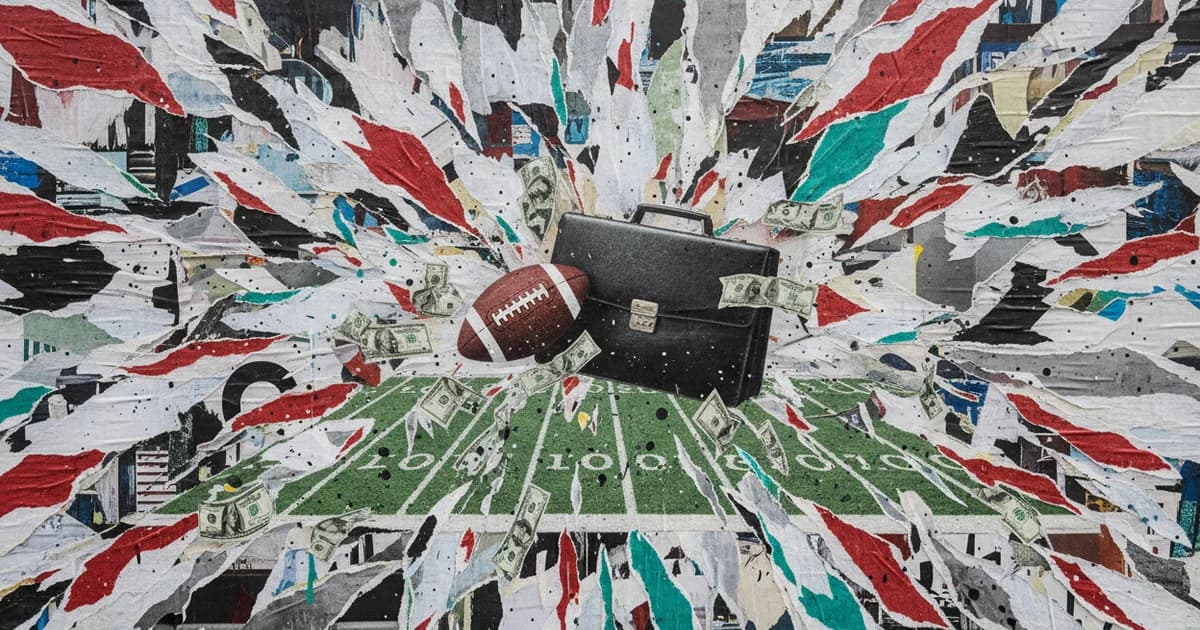
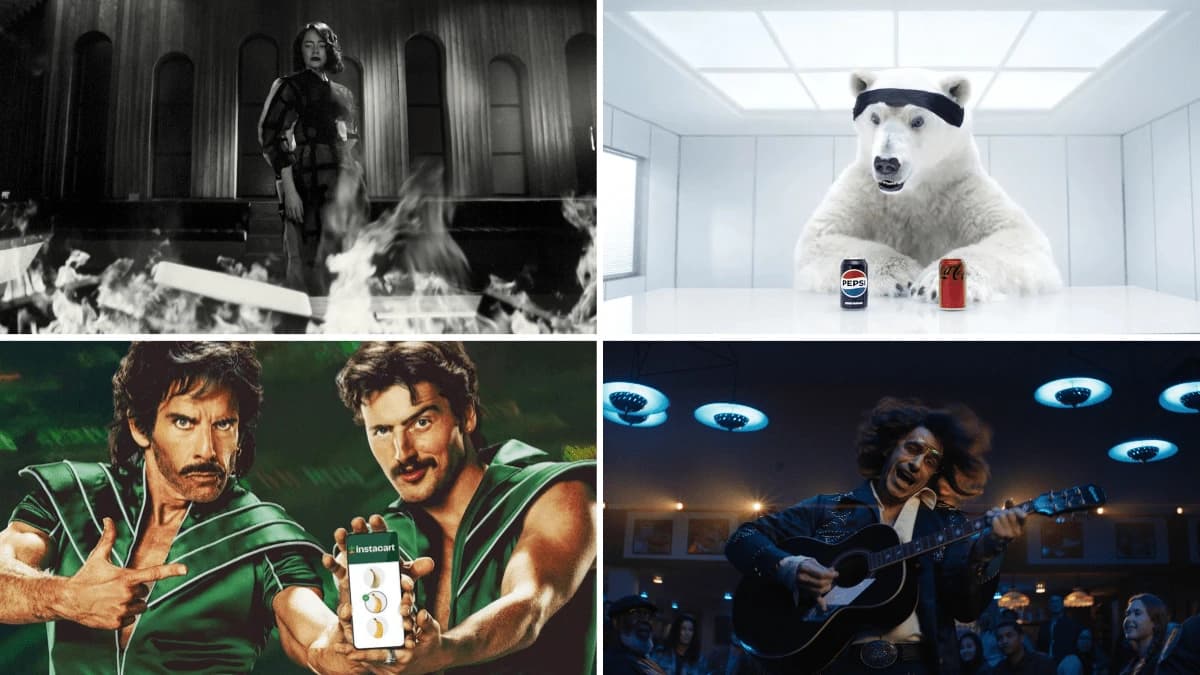
A 30-second Super Bowl spot costs $8 million. The production budget adds another $2-5 million. The celebrity talent fee? Another $3-10 million depending on who's holding the product. Add it up and you're at $20 million before the first frame airs. The holding companies pitch these as loss leaders. The independents weren't supposed to be in the room at all.
Except they are.
Flower Shop, an independent shop out of New York, created Crocs' 2026 Super Bowl commercial. Highdive, a Chicago-based independent, has built a portfolio that includes KFC and Jeep Super Bowl work. Strategic America, a full-service shop operating independently, analyzed what made the 2026 winners work while most of the industry was still hungover from watch parties. These aren't holdco subsidiaries playing dress-up as independents. These are actual independent agencies cracking the code on the most expensive 30 seconds in advertising.
The question isn't whether independents can play in the Super Bowl. The data shows they already are. The real question is how they're doing it without the $20 million war chest, and what that reveals about where Super Bowl creative is heading.
The Economics Don't Add Up (Which Is Exactly the Point)
NBC sold out every second of Super Bowl LX commercial inventory months before kickoff. The network pulled in roughly $800 million in ad revenue. The math seems simple: divide inventory by price, multiply by desperation, and the big brands write checks. But the actual economics of Super Bowl advertising split into two entirely different games.
Game one: the media buy. $8 million gets you 30 seconds of airtime during the most-watched television event in America. That number jumped from $7 million in 2025, which jumped from $6.5 million in 2024. The cost curve runs in one direction. Networks now require matching spend commitments on other programming. Want your Super Bowl spot? You're buying Olympics coverage too. Want premium placement in the fourth quarter? Add another 20-30 percent to the base rate.
Game two: everything else. Production budgets that can eclipse the media buy. Celebrity talent that commands eight figures for a day's shoot. Rights clearances for music that costs more than most agencies' annual rent. Post-production that requires teams working around the clock for months. The hidden cost structure of Super Bowl creative makes the $8 million media buy look almost reasonable.
The holding companies absorb these costs across consolidated P&Ls. WPP spreads Super Bowl production expenses across 15 agency brands and 200 client relationships. Omnicom justifies the investment as long as the work generates new business pitches six months later. IPG writes off the celebrity relationships as enterprise assets that benefit the entire network.
Independent agencies don't have that luxury. They also don't need it.
The Side Doors Nobody Talks About
Regional Super Bowl buys exist. Not every advertiser needs national coverage. NBC sells local spot inventory in specific markets at a fraction of the national rate. A 30-second spot in the New York DMA costs around $500,000. Chicago runs closer to $400,000. These aren't the ads people tweet about during halftime. They're also not the impossibly expensive national buys that only Fortune 100 brands can justify.
Independents have been quietly working this angle for years. The regional Super Bowl spot becomes the conversation starter with a client who would never consider national inventory. The creative quality matches anything running nationally. The production budget scales to reality. The media spend doesn't require board approval and three quarters of advance planning.
Strategic America operates out of West Des Moines with a footprint that spans the Midwest. Their Super Bowl analysis for 2026 focused on what separated winners from failures: emotional resonance, clear brand connection, and creative ideas that worked in 30 seconds without celebrity crutches. They know the game because they've played in it. They also know most brands don't need 120 million viewers when 4 million targeted viewers in three key markets move the revenue needle more effectively.
Social amplification contracts changed the game entirely. Brands now budget separately for the "around the Super Bowl" creative: the teaser campaign, the Twitter reactions, the influencer seeding, the TikTok extensions. This work pays comparable rates to the Super Bowl spot itself. It also plays directly to independent agency strengths.
Flower Shop's Crocs campaign didn't just air during the game. It lived on social for weeks before and after. The production budget optimized for platform-native content that scaled across channels. The creative concept worked whether you saw it during the third quarter or discovered it on Instagram two days later. The media spend split between broadcast and digital. The agency fee structure reflected the expanded scope.
The holding companies still pitch integrated campaigns. The independents deliver them faster and cheaper by not carrying the overhead of integration theater. No coordination meetings between the TV team and the social team and the digital team. One creative group builds assets that work everywhere. The cost structure collapses. The timeline compresses. The client brief gets answered instead of processed through six layers of approval.
Production-only deals represent the third side door. Brands with internal creative teams or existing agency relationships still need world-class production for Super Bowl work. They can't risk their biggest media buy on anything less than perfect execution. They also can't always get that execution from their current partners.
Independents step in as production specialists. The brand and their incumbent agency develop the concept. The independent handles production, post, and delivery. The fee structure focuses on execution excellence rather than creative development. The risk profile drops. The specialization premium justifies rates that make the economics work without the full campaign scope.
This model suits independents with specific production capabilities. AI-enabled production tools, in-house editing suites, direct relationships with top directors and DPs. The production-only contract leverages these assets without requiring the agency to win the full strategic relationship. It's also how independents get their work in front of 120 million viewers even when they're not the agency of record.
The AI Production Shift Nobody Wants to Acknowledge
Min Choi generated a complete Super Bowl-style commercial using AI tools. No agency. No production budget. No celebrity talent. The execution quality approached broadcast standard. The timeline ran days instead of months. The cost basis rounded to zero compared to traditional production.
The holding companies dismissed this as a novelty. The independents saw the leverage point.
AI production tools don't replace creative thinking. They collapse the gap between concept and execution. The traditional Super Bowl production timeline: six months from concept to delivery, with review rounds and stakeholder approvals and endless coordination. This assumes physical production constraints that AI rendering eliminates. The traditional production budget: millions for sets, locations, talent, crew, equipment. This assumes cost structures that generative tools undercut by 90 percent or more.
Independents adopt these tools faster because they have less invested in legacy production infrastructure. No in-house production studios to justify. No long-term vendor relationships to protect. No production company partnerships that depend on maintaining traditional cost structures. The independent pitches a Super Bowl concept in December and delivers finished assets in January using AI-enabled production workflows that would have been impossible 18 months ago.
The quality threshold keeps rising. The AI-generated Super Bowl spot Min Choi created doesn't meet award-show creative standards. It gets brands asking whether they really need $5 million in production costs when $500,000 in AI-assisted production delivers 80 percent of the impact. That's the question independents answer affirmatively while holding companies still figure out how to message their AI capabilities without cannibalizing their production revenue.
Highdive expanded to New York while maintaining their Chicago headquarters. The move signals confidence in growth trajectory. It also positions them closer to the brands spending $8 million on Super Bowl spots. The geographic expansion follows the work, which followed their ability to deliver Super Bowl-caliber creative without Super Bowl-caliber overhead.
The pattern holds across independents cracking Super Bowl work. They're not trying to compete on the holding company's terms. They're rewriting the terms entirely.
What 16 AI Companies and $250 Million Actually Signals
Super Bowl LX featured 16 AI and tech companies spending a combined $250 million on advertising. The pattern repeats from previous sector bubbles. The 2000 Super Bowl (peak dot-com) saw 14 internet companies spend comparable amounts adjusted for inflation. The 2022 Super Bowl (peak crypto) featured 6 crypto firms throwing money at 30-second spots. The subsequent 6-month stock performance of companies advertising in these "sector bowls" lagged the S&P 500 by an average of 9 percent.
The bubble indicator thesis gained traction on Twitter. George Noble's thread on the "AI Bowl" went viral by connecting Super Bowl ad spend to sector tops. The logic tracks: when an industry feels compelled to advertise during the Super Bowl, they're often selling to retail investors and mainstream consumers rather than building fundamental value. The companies spending $8 million on Super Bowl spots rarely need mass-market brand awareness. They need hype.
This creates a specific opportunity window for independent agencies. The tech and AI companies buying Super Bowl inventory aren't legacy advertisers with decades-long agency relationships. They're startups, growth-stage companies, and newly public firms making their first major brand play. They haven't been conditioned to believe only holding companies handle Super Bowl work. They value speed, creative risk-taking, and cost efficiency: the exact advantages independents offer.
The $250 million spent by AI companies in 2026 suggests at least 30 brands writing Super Bowl-sized checks. Not all of them used holding company agencies. Not all of them needed to. The independents who positioned themselves as specialists in tech brand building, AI company marketing, or growth-stage brand strategy had a clear path to pitch conversations that historically would have defaulted to WPP or Omnicom.
The industry debate about whether this spend represents smart brand building or bubble behavior misses the tactical reality: the money is real, the deadlines are firm, and the work needs to get done. Independent agencies that deliver Super Bowl-quality creative on compressed timelines with transparent cost structures win the business regardless of whether the sector proves durable.
The Real Barrier Isn't Money
Simantel operates out of Peoria, Illinois with 51-200 employees. Their tagline: "and is in our dna." They rank #84 for "how much of the super bowl is commercials," a keyword cluster generating 6,600 monthly searches. The ranking suggests engagement with Super Bowl advertising conversations. The location suggests they're not in daily pitch meetings with Fortune 100 CMOs.
Yet they're in the game.
The barrier to Super Bowl work for independents was never the $8 million media buy. Clients pay media costs. The barrier was access: the relationships, the pitch invitations, the consideration set that defaults to holding company names. The internet and platform shifts dismantled that barrier gradually, then suddenly.
Search volume for Super Bowl commercial economics, production costs, and effectiveness measures stays consistently high year-round. 6,600 monthly searches for commercial duration questions alone. These aren't industry insiders researching best practices. These are brand managers, marketing directors, and founders trying to understand whether Super Bowl advertising makes sense for their business. They're Googling instead of calling their holdco rep.
The independents ranking in those search results, providing actual answers, breaking down real costs, explaining the side doors and alternative approaches, position themselves as the authorities holding companies used to be by default. The information advantage flipped. The holding companies know Super Bowl advertising because they've done it for decades. The independents know Super Bowl advertising AND they publish the playbook for everyone to read.
This transparency creates trust faster than any pitch deck. The brand searching "Super Bowl production costs" finds an independent agency article breaking down exactly how to produce Super Bowl-quality creative for $500,000 instead of $5 million. That same brand now knows which agency to call when they're ready to actually do it.
The other barrier, creative capability, also collapsed. The best creative talent increasingly works at independents or freelance rather than climbing holding company ladders. The production tools democratized. The distribution platforms multiplied beyond the broadcast monopoly. An independent with 25 people and the right creative lead produces work that holds up against anything from a 5,000-person holding company agency.
Flower Shop proved it with Crocs. Highdive proved it with KFC and Jeep. Strategic America proved it by analyzing what worked in 2026 with the same authority as any holding company thought leadership. The creative barrier was always a confidence game. The independents stopped playing it.
Where This Goes Next
Super Bowl LIX in 2027 will cost more. The media buy will push toward $9 million for 30 seconds. The production budgets will inflate. The celebrity talent fees will rise. The holding companies will justify the costs as strategic brand investments. The independents will keep finding the side doors.
Regional buys will get more sophisticated as addressable TV technology improves. The ability to serve different creative to different audience segments during the same broadcast moment already exists. The pricing models will follow. An independent agency runs 10 different regional spots in 10 different markets for the same total cost as one national buy, and tests 10 different creative approaches simultaneously.
Social amplification will continue separating from broadcast as its own distinct business. The "Super Bowl campaign" increasingly means three separate scopes: the broadcast spot, the social campaign, and the influencer program. Independents win any one of these scopes or all three. The holding company integration advantage matters less when the client hires three specialists instead of one generalist.
AI production capabilities will force pricing conversations holding companies would rather avoid. When a client sees finished creative in days instead of months at a fraction of traditional costs, the justification for premium production fees collapses. The independents adopting AI tools fastest will set new client expectations for timeline and budget. The holding companies must match those expectations. Defending 10x production costs won't work when clients see AI-generated alternatives.
The real shift isn't about Super Bowl advertising specifically. It's about the erosion of structural advantages that made holding companies the default choice for premium creative work. Scale mattered when media buying required relationship leverage. Geographic footprint mattered when campaigns needed local execution in 50 markets. Integration mattered when coordinating TV, print, radio, and outdoor required massive operational infrastructure.
None of those advantages matter as much as they used to. The media landscape fragmented. The production tools democratized. The coordination complexity decreased. What remains is creative excellence, client service, and cost efficiency. The independents compete on these terms without the burden of supporting holding company overhead, shareholder returns, and legacy cost structures.
The Super Bowl represents the highest-stakes test of these competitive dynamics. The most expensive media buy, the most visible creative showcase, the most pressure to deliver flawless execution. The independents already in the game proved the model works. The independents watching from the sidelines now have the playbook, the proof points, and the client appetite for alternatives.
The next Super Bowl will feature more independent agency work than the last one. The one after that will feature even more. The media costs will keep rising. The barriers to entry will keep falling. The holding companies will keep pitching integration and scale. Independents will keep winning the work by doing it better, faster, and cheaper.
The game already changed. The independents noticed first.
Free Agency Media Editorial
All news