How Influencer Agencies Captured Fortune 500 Budgets in Plain Sight
While search volume flatlined, influencer marketing agencies secured seven-figure retainers from Yum! Brands, Samsung, and Unilever. The category shift happened operationally before anyone noticed culturally.
The Paradox Nobody Saw Coming
Zero searches. That's how many people are looking for "influencer marketing agency growth" this month. Zero for "creator economy agencies." Zero for "influencer agency Fortune 500 clients."
The silence is deafening because it tells the wrong story.
While search volume flatlines and the SEO metrics say nobody cares, something else is happening in conference rooms at major brands. CMOs are briefing agencies you've never heard of. Not the holdcos. Not the traditional indie shops with the Cannes pedigree. Influencer marketing agencies. The category that was supposed to stay niche, stay Instagram-focused, stay out of the real budget conversations.
They didn't stay anywhere. They moved up.
The data gap exists because the shift happened operationally before it happened culturally. Brands started routing seven-figure launch budgets to influencer shops while the industry was still filing them under "specialty vendors." By the time anyone thought to Google "influencer marketing agencies winning QSR work," the work was already running. Retainer agreements were already signed.
This is the story of how a category went from tactical execution to strategic lead. How shops built to book Instagram posts started launching products, running Super Bowl activations, and walking away with the creative awards that traditional agencies thought belonged to them. This isn't one agency getting lucky. An entire category cracked the Fortune 500 operational playbook while everyone else was dismissing them as the kids' table.
What Changed: From Placement to Platform Strategy
The old model was simple. Brand hires traditional agency for creative. Traditional agency hires influencer shop for placement. Influencer shop executes. Everyone stays in their lane.
That model died the moment platforms became channels and channels became strategies.
When TikTok hit 1 billion users and YouTube became the second-largest search engine and Instagram Shopping turned creator posts into conversion funnels, the "placement" agencies became the platform experts. They knew the algorithms. They knew the creator economics. They knew which formats worked and which ones brands were wasting money on because they were optimizing for TV logic in a scroll-based medium.
Traditional agencies were still treating social as distribution. Influencer shops were treating it as the entire campaign architecture.
The fork in the road: brands could either teach their traditional agency how platforms actually work, or brief the platform experts directly and skip the translation layer. Enough brands chose door number two that it stopped being an experiment and started being a category shift.
The operational advantage compounded. Influencer agencies weren't just booking creators. They were negotiating usage rights, managing multi-platform content calendars, tracking performance across owned and earned channels, and feeding real-time data back into creative iteration cycles. They built tech stacks for creator relationship management. They developed pricing models for different content formats. They created playbooks for brand safety at scale.
All of this happened while traditional agencies were still figuring out whether TikTok mattered.
By the time brands realized they needed an "influencer strategy," the influencer agencies had already become full-service platform strategists. The scope creep went one direction: up.
The Fortune 500 Unlock: When Tactical Became Strategic
QSR was the beachhead.
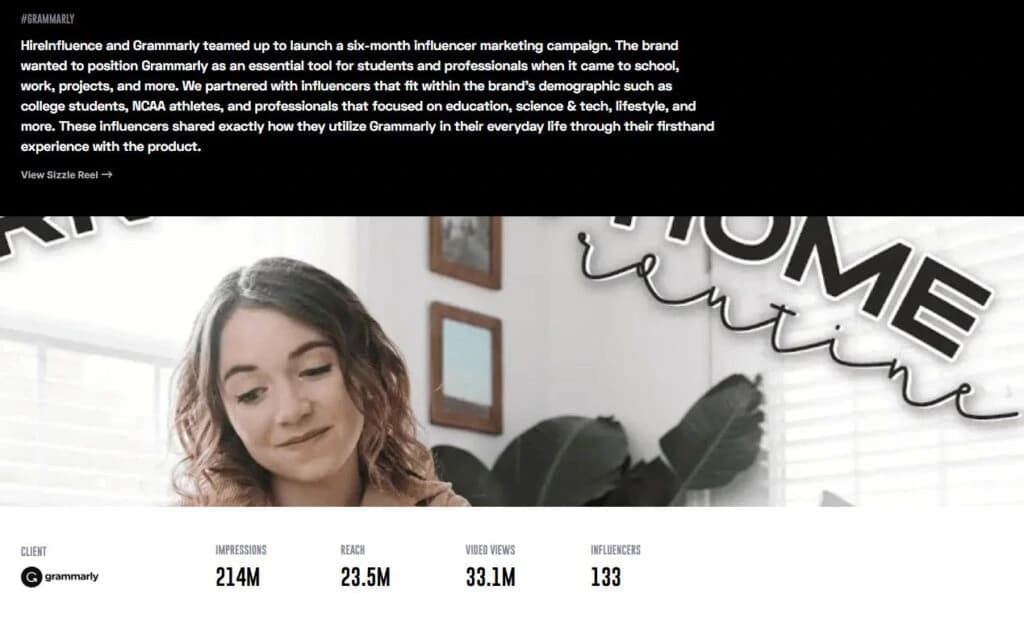
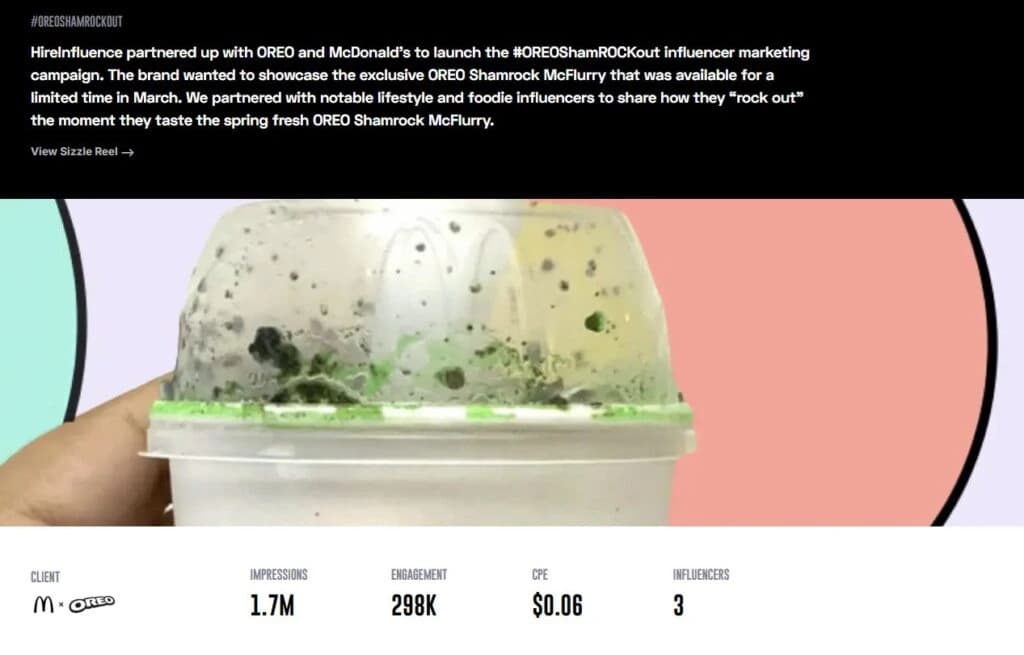
Fast food brands live and die on limited-time offers and product launches. They need reach. They need frequency. They need to move units in 30 days or the menu changes and the creative goes dark. The traditional agency model: develop TV concept, adapt for digital, hope it works. The influencer agency model: launch with creators who can generate 200 pieces of content in week one, iterate based on what performs, scale the winners, kill the losers.
Speed matters when you're selling Spicy Nuggets for six weeks.
The brands that tested influencer agencies on LTO campaigns saw something that changed the math. Not just reach metrics. Not just engagement numbers. Actual sales lift tied to specific creator posts, specific formats, specific messaging angles. The attribution models finally worked because the content was natively digital and the tracking was built in from the start.
When the LTO performed, the next brief got bigger. When the next brief performed, the agency of record conversation started. Frequently enough that influencer shops started building the infrastructure to handle it: strategic planning teams, brand positioning capabilities, integrated campaign development.
They didn't become traditional agencies. They became the agencies that traditional agencies were supposed to evolve into.
Tech launches followed the same pattern. A consumer electronics brand needs to explain a new feature to 18-34 year olds who haven't watched linear TV since college. Traditional agency writes scripts for :30 spots and adapts them for YouTube pre-roll. Influencer agency identifies 40 creators whose audiences over-index on early adopter behavior, briefs them on the feature benefits, and lets them explain it in their own voice across their own formats.
The brand gets 40 different explanations instead of one script adapted 40 times. The audience gets content from voices they already trust instead of ads from a brand they're evaluating. The performance data comes back in days instead of weeks.
This is not a better TV ad. This is a different approach to the entire launch problem.
The pattern repeated across categories. Beauty brands discovered that creator-led product launches outperformed celebrity endorsements. Automotive found that test-drive content from trusted voices drove showroom traffic better than dealer spots. Financial services learned that explaining complex products through creator narratives beat compliance-approved explainer videos.
Each success case built the next brief. Each performance win earned more strategic access. The tactical vendors became strategic partners because they delivered what traditional agencies promised but couldn't execute: measurable business impact at platform speed.
The Awards Follow the Work: Cannes Validates What Clients Already Knew
Cannes Lions 2023 told the story in metal.
Influencer-led campaigns won in Film, won in Social & Influencer, won in Entertainment. Not "nice try" bronze. Grand Prix and Gold. The work that brands were already running and already seeing results from finally got the creative validation that the industry uses as social proof.
The jury rooms caught up to the conference rooms.
What separated the winners from the also-rans: integration. The campaigns that won weren't influencer activations bolted onto a traditional idea. They were platform-native concepts that could only exist because creators were involved from the brief stage. The strategy was built around what creators do best, not what brands wish they would do.
Example: a beauty brand wants to launch a new product line. Traditional approach: shoot campaign, hire influencers to post the assets. Influencer agency approach: identify creators whose audiences match the target demo, involve them in product development feedback, let them create the launch content, make the creator content the campaign instead of the amplification layer.
The Cannes jury rewarded the second approach because it produced more interesting work. Clients rewarded it because it produced better results. The convergence of creative awards and performance metrics meant influencer agencies were no longer defending their value. They were collecting proof points.
The holdcos noticed. WPP bought Goat in 2021. Publicis bought Influential in 2022. Dentsu had already bought Merkle's influencer unit years earlier. The M&A activity signaled that influencer marketing was no longer a nice-to-have specialty. It was a must-have capability that the networks would rather acquire than build.
But the independents kept winning. The acquired shops got folded into holding company "integrated offerings" that clients didn't ask for. The indie influencer agencies kept the speed, kept the direct client relationships, kept the platform expertise that takes years to build and months to lose inside a slow-moving org structure.
The awards circuit validated what the P&Ls already proved: influencer agencies weren't just executing tactics anymore. They were creating the most effective, most awarded, most business-driving work in the industry. The creative validation removed the last objection CMOs had to routing serious budgets their way.
The Operational Moat: Why Traditional Agencies Can't Just Add This
The operational gap is wider than it looks.
Traditional agencies think they can hire an influencer team and suddenly compete. They're wrong. The capability is not the team. The capability is the entire operational infrastructure that the team needs to actually execute.
Influencer agencies built creator databases with tens of thousands of verified contacts. They built vetting processes for brand safety. They built contract templates for usage rights across platforms. They built payment systems for managing hundreds of creator invoices per campaign. They built performance dashboards that track content across owned, earned, and paid channels in real time.
This is not a Rolodex and a Slack channel. This is years of operational investment in systems that most traditional agencies have zero incentive to build because they're still organized around making TV spots.
The creator relationships compound over time. An influencer agency that's been working with beauty creators for five years has trust, has context, has pattern recognition for what works. A traditional agency that decides to "do influencer" hires a coordinator and expects the same results. The creators can tell. The content quality shows it. The performance data confirms it.
Speed is the other moat. Influencer campaigns move on platform time, not agency time. A TikTok trend peaks in 72 hours. The brand that can concept, brief, execute, and launch in that window wins. The brand that needs two weeks of approvals and revision rounds misses it entirely.
Traditional agencies are structurally incapable of moving that fast. Too many layers. Too many sign-offs. Too much legacy process built for media plans that lock six months out.
Influencer agencies built their ops for speed because the platforms required it. Now that speed is the competitive advantage in every category, not just social.
The technology stack matters too. Influencer agencies invested in tools that traditional shops don't even know exist. Creator management platforms that handle everything from discovery to contracting to payment. Analytics systems that tie creator content performance to downstream conversion events. Rights management databases that track usage permissions across markets and time periods.
Traditional agencies would need to rebuild their entire operational backbone to compete. Most won't. The ones that try will spend two years building what influencer agencies perfected five years ago. By then, the gap will be wider.
What This Means for Traditional Indie Agencies: Adapt or Cede Ground
The indie agencies watching this unfold have two choices.
Choice one: dismiss influencer marketing as a fad, assume clients will come back to "real advertising," wait for the pendulum to swing. This is the choice that loses accounts.
Choice two: recognize that influencer agencies solved a client problem that traditional agencies were ignoring, and build the capabilities to compete. This is hard. It requires admitting that the old playbook doesn't work for platform-native campaigns. It requires investment in systems, in talent, in partnerships that most indie shops aren't set up for.
The shops that pick choice two are already showing up differently in pitches. They're partnering with influencer agencies instead of competing with them. They're hiring creators onto staff. They're building platform expertise into their strategic planning process instead of treating it as a post-campaign tactic.
The smart traditional agencies are learning from what influencer shops did right: they built infrastructure around the client's actual workflow, not the agency's preferred process. They optimized for speed and iteration instead of perfection and control. They let the platform dictate the format instead of forcing TV logic onto digital channels.
This is not about becoming an influencer agency. This is about understanding why influencer agencies are winning and building the operational capabilities to compete where clients are actually spending money.
The budgets are moving. QSR brands are routing product launch spend to influencer shops. Tech companies are briefing them on brand campaigns. CPG is bringing them into the AOR conversation. Traditional indie agencies can either build the capabilities to compete for that work or watch it walk out the door to a category they're still calling "tactical."
The window for adaptation is closing. Every quarter that passes, influencer agencies get stronger client relationships, deeper category expertise, more proof points. Traditional agencies that wait for this to reverse are making a bet that platforms will become less important to consumers. That bet has a decade of contrary evidence.
The agencies that move now have a chance. The agencies that move in two years will be competing against shops with seven-year head starts and client relationships they can't match.
The Forward Look: Platform Expertise Becomes Table Stakes
Five years from now, the term "influencer marketing agency" will sound as dated as "digital agency" does today.
Not because the category goes away. Because the capability becomes expected. Every agency that wants Fortune 500 clients will need platform expertise, creator relationships, and the operational infrastructure to execute at scale. The agencies that built it first will have the five-year head start. The agencies building it now will compete. The agencies waiting for clients to stop caring about TikTok will be out of business.
The next frontier is already visible. Influencer agencies are moving into brand positioning work. They're taking on product development consulting. They're building long-term brand partnerships that look less like campaign execution and more like strategic partnership.
The category that was supposed to stay niche is eating the Fortune 500 from the bottom up. They started with tactics. They proved the value. They earned the strategy conversations. Now they're winning the work that traditional agencies assumed would always be theirs.
The search volume will catch up eventually. Someone will start Googling "influencer agencies winning brand campaigns" and the SEO metrics will reflect what's already happening in the real world. By then it won't matter. The clients will already know. The budgets will already be allocated. The work will already be running.
The only question left: which traditional indie agencies saw this coming and built the capabilities to compete, and which ones are still waiting for social to "settle down" so they can get back to making TV spots?
The market has already answered. The silence in the search data is not absence of interest. It's the sound of a category shift happening faster than the metrics can track it.
Traditional agencies have one path forward: recognize that influencer agencies didn't steal their lunch. They built a better lunch system. The brands choosing influencer shops aren't making a mistake. They're making a rational decision based on speed, performance, and operational excellence.
The agencies that survive the next five years will be the ones that learned this lesson and rebuilt accordingly. The ones that don't will spend that time explaining to former clients why the old way was better, right up until those clients stop taking the calls.
Free Agency Media Editorial
All news