Why Restaurant Brands Never Google for Agencies
Zero monthly searches for restaurant branding agencies. The market is booming, but discovery happens entirely outside traditional search—and that's exactly why independents win.
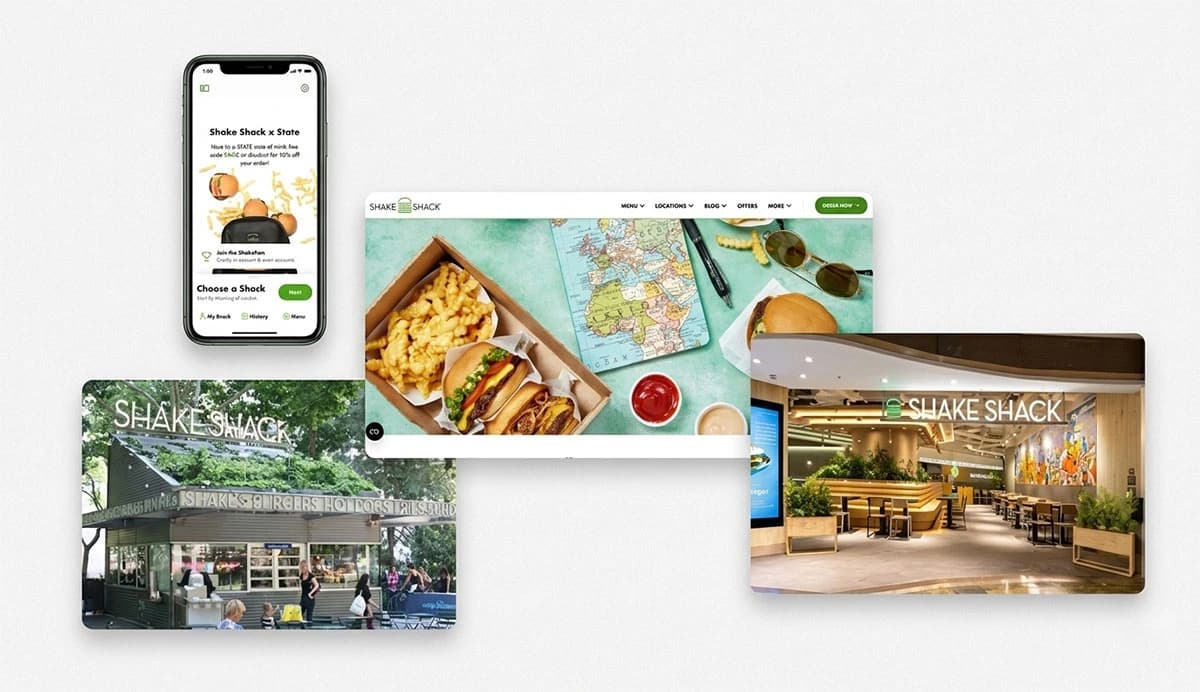
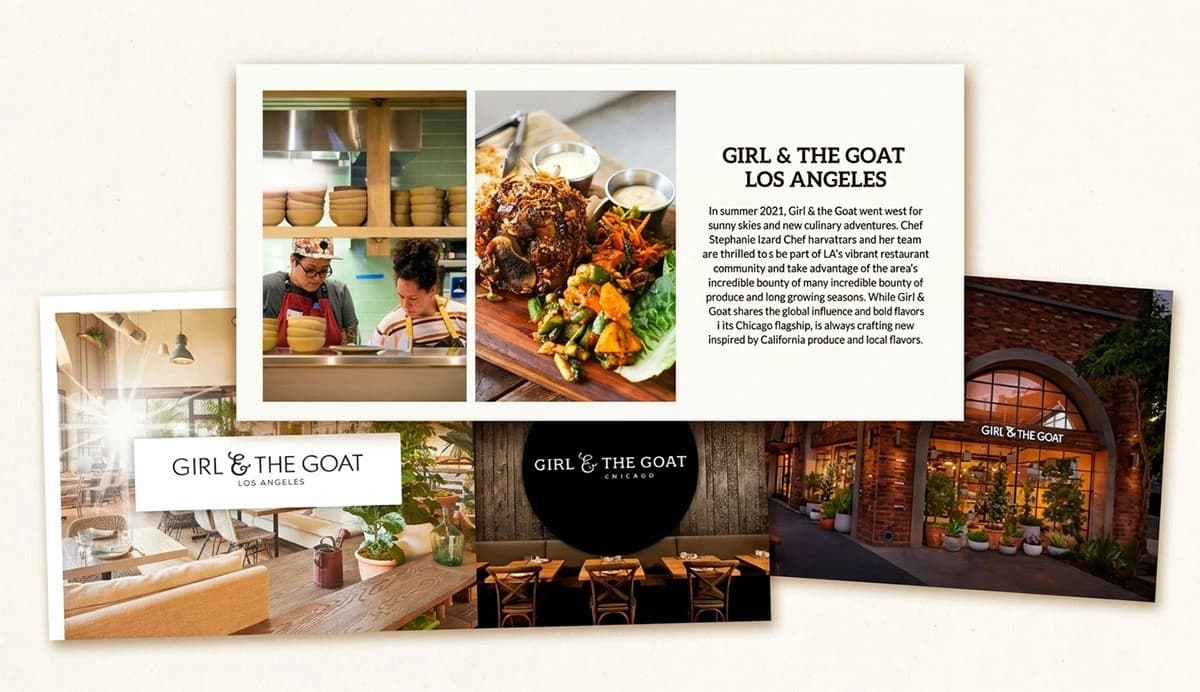
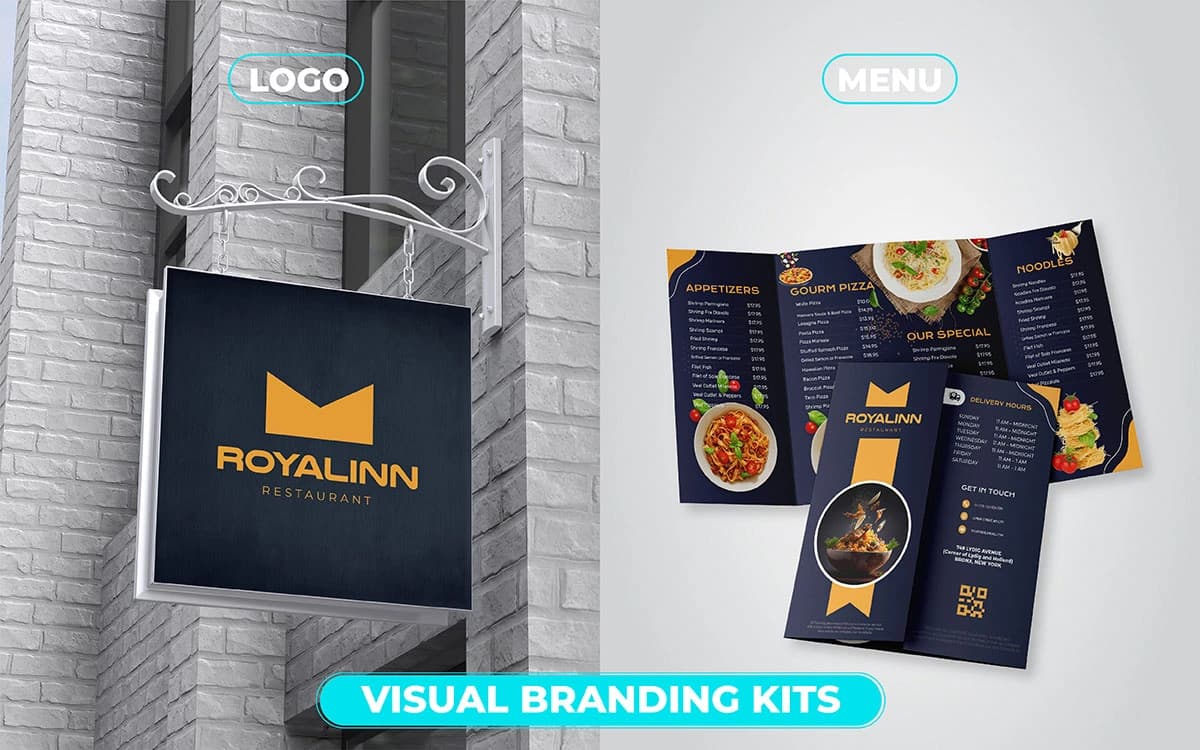
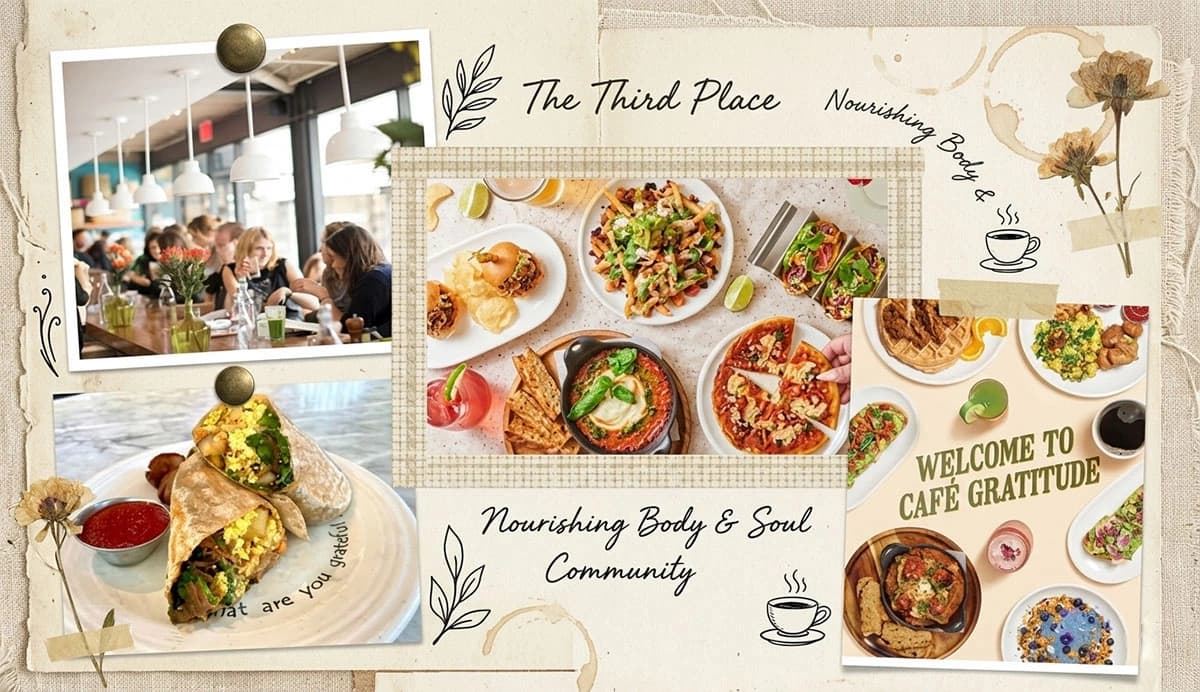
The Search That Doesn't Exist Yet
Zero monthly searches for "restaurant branding agencies." Zero for "F&B brand identity." Zero for "hospitality branding trends." The absence tells the story better than any trend report could.
Restaurant brands aren't Googling for agencies. They're asking other restaurant brands. They're DMing founders on Instagram. They're hiring the shop that did the identity for that taco concept they saw in Austin. The discovery mechanism for restaurant branding work happens entirely outside traditional agency search behavior. No RFPs. No procurement departments. No "let's look at the top 10 agencies in this space." Just: "Who did your branding? Can you intro me?"
This explains why holding company agencies barely register in the restaurant vertical. You can't win business through search engine dominance when the clients aren't searching. You can't pitch your "omnichannel brand ecosystem" when the CMO is actually the chef-owner who needs a logo, a menu system, and packaging that survives a 500-degree pizza oven. The restaurant branding boom is happening, and it's happening almost entirely through independent design shops operating on referral networks that holding companies can't access.
The pattern emerged clearly over the past 18 months. Search volume data shows zero interest in the category as a keyword cluster, but the work itself is everywhere. Independent branding boutiques are building multi-unit restaurant identities, designing hospitality concepts that scale from single-location to franchise systems, and creating food packaging that moves product at Whole Foods. The clients aren't searching for "restaurant branding agency." They're asking: "Who did Sweetgreen's rebrand?" The answer is almost never a holding company shop.
Why Restaurants Choose Indies: The Founder-to-Founder Match
Restaurant clients brief differently. A spirits brand brings a 40-page brand architecture document and a procurement team. A restaurant brings the founder-chef, a mood board from Pinterest, and a budget that needs to cover identity, menus, signage, and packaging. The holding company model collapses under that structure. The indie shop thrives in it.
The founder-to-founder relationship solves the real problem. Restaurant clients need someone who understands that the brand identity has to work on a 3-inch Instagram square, a 6-foot storefront sign, and a takeout bag that gets crumpled in a delivery bike basket. They need a creative partner who gets that "the vibe" isn't a fluffy concern but the primary purchasing driver for a $15 lunch spot where 70% of first-time customers found you on social media. Holding company account teams translate that into "brand experience optimization." Independent design shops just call it: making it look good everywhere it needs to look good.
The budget structure favors independents. A typical restaurant branding project runs $15,000 to $75,000 for single-unit concepts, $100,000 to $300,000 for multi-unit systems with packaging and environmental design. Those numbers fall below the minimum engagement threshold for most holding company agencies where overhead requires six-figure projects just to break even. The independent shop with 8 people and a $1.2M annual revenue target can build a sustainable practice around 12-15 restaurant clients per year. The midsized holding company division can't make the economics work.
Speed matters more than the client knows how to articulate. A restaurant opening has a fixed launch date: permits filed, lease signed, build-out scheduled. The brand identity needs to be final before the contractor orders the sign. The menu design needs to be done before the printer's 3-week lead time. The packaging has to ship before soft opening. A 6-month holding company timeline where weeks two through five are "stakeholder alignment" kills the deal before it starts. Independent shops move in weeks, not quarters. The pitch becomes: "We'll have comps in 5 days, final files in 3 weeks, and you'll open on time."
The Culinary Storytelling Advantage: Why Design Shops Win on Narrative
Restaurant brands sell story before they sell food. The identity system isn't just a logo: it's the founding myth, the chef's background, the neighborhood context, the ingredient sourcing philosophy, the cultural reference points. Holding company agencies approach this through "brand strategy workshops" and "stakeholder interviews." Independent design shops just ask: "What's the story you're telling?" Then they make that story visual.
The best restaurant branding work reads like editorial design, not corporate identity. The menus look like zines. The signage references album covers or vintage packaging or neighborhood history. The takeout bags feel like small art objects. This isn't accidental styling: it's strategic storytelling through design vernacular. The client might say "I want it to feel like 1970s Italy" and the indie shop translates that into type choices, color palettes, and material specifications that actually deliver that feeling. The holding company version produces a deck about "heritage authenticity signals."
Culinary storytelling requires cultural fluency that most holding company creatives don't have. You need to know why a ramen shop's identity should reference Japanese kissaten culture, not generic "Asian fusion" aesthetics. You need to understand why a taco shop in Los Angeles might want to signal Tijuana, not Mexico City. You need to recognize that a natural wine bar's visual language should probably avoid anything that looks like Napa marketing. Independent design shops working in food culture tend to actually be embedded in food culture: they know the chefs, they eat at the spots, they follow the trends. The work reflects that literacy.
The Instagram test defines success. Restaurant clients judge brand identity by how it performs as content. Does the logo photograph well on the storefront? Do the menus make customers want to shoot them? Does the packaging look good enough that people post their takeout? The metric isn't "brand recall" or "message penetration." It's: do people take pictures? Independent shops optimize for this because they're designing for the same platforms where they showcase their own work. Holding company agencies optimize for client approval decks.
The Scalability Question: How Indies Build Systems That Survive Expansion
Single-location restaurant branding is craft work. Multi-unit restaurant branding is systems design. The independent shop advantage is knowing how to build identity systems flexible enough to scale from one location to fifty without losing the thing that made the brand work in the first place.
The modular identity approach solves the expansion problem. Instead of one locked logo, indies build logo systems with variations for different applications. Instead of one color palette, they create hierarchies that allow location-specific adaptation while maintaining brand consistency. Instead of fixed menu templates, they design frameworks that accommodate seasonal changes, regional dishes, and format variations from dine-in to takeout to catering. The system thinks ahead to what happens when the Park Slope location needs different signage than the Hudson Yards outpost.
Packaging becomes the real test of system thinking. A restaurant brand that starts with dine-in only eventually needs takeout boxes, delivery bags, catering packaging, retail product packaging if they start selling their hot sauce or spice blends. The independent shop that thinks systematically builds a packaging architecture from the start: a visual language that can flex across container types, a color coding system that differentiates products, a typography hierarchy that works at 2-inch and 20-inch scales. The holding company approach treats each packaging need as a new project. The indie approach treats it as system expansion.
Environmental design separates the strategic shops from the logo makers. A single restaurant location might need: storefront signage, window graphics, interior wayfinding, menu boards, bathroom signage, staff uniforms, table tents. A multi-unit concept needs all of that, plus: franchise guidelines, architectural standards, approved vendor lists, installation specifications. The independent design shop that can deliver environmental design systems as part of the brand identity package becomes the long-term partner, not just the launch vendor. The client pays once for a system that supports fifty locations.
Franchise readiness creates recurring revenue. The restaurant client that starts as a single location with a $25,000 branding budget becomes a 10-unit concept with a $150,000 environmental rollout, then a 50-unit franchise with ongoing brand management needs. Independent shops that structure their work as scalable systems from day one build client relationships that compound. The initial branding project becomes the foundation for years of expansion work, franchise guidelines updates, seasonal campaigns, and new location launches. The holding company gets the project. The indie gets the relationship.
The Market Signal: What Zero Search Volume Actually Tells Us
The absence of search volume for restaurant branding terms doesn't mean the category doesn't exist. It means the category operates on different discovery mechanics than traditional B2B agency search. Restaurant brands find agencies through the work itself, through founder networks, through Instagram, through word-of-mouth in the hospitality community. The market exists. The search behavior doesn't.
This creates competitive advantage for independent shops that understand content as client acquisition. Every restaurant branding project becomes a portfolio piece that attracts similar clients. The taco shop identity posted on Instagram reaches other taco shop owners. The natural wine bar branding showcased on Behance gets seen by other wine bar founders. The work markets itself to the exact audience that needs it. Holding company agencies can't replicate this because their Instagram is corporate thought leadership, not project showcases.
The referral economics compound faster than search traffic ever could. One happy restaurant client introduces you to three other restaurant owners in their network. Those three each know five more. The growth curve isn't linear: it's exponential. Independent shops that deliver great work for restaurant clients don't need to rank for "restaurant branding agency" because their clients do the marketing for them. The holding company playbook optimizes for search. The indie playbook optimizes for word-of-mouth.
Geographic concentration creates local expertise that search can't surface. The Brooklyn design shop that does ten restaurant identities in Brooklyn becomes the go-to for new Brooklyn restaurants, not because they rank for "Brooklyn restaurant branding" but because every new restaurant owner in Brooklyn knows someone who worked with them. The Los Angeles shop that specializes in natural wine bars becomes the obvious call for the next natural wine bar, not through SEO but through community presence. Local density beats national search volume.
The zero-search phenomenon reveals a broader truth about independent agency advantage. Holding companies optimize for the clients who search: enterprise brands with procurement processes, Fortune 500s with agency review committees, multinational corporations with formal RFPs. Independents win the clients who don't search: founder-led brands, emerging categories, cultural niches where referral networks matter more than Google rankings. Restaurant branding is just one vertical where this dynamic plays out. The pattern repeats across cannabis brands, DTC beauty, craft spirits, boutique fitness: categories where the clients find agencies through the work, not through search.
What Happens Next: The Restaurant Branding Playbook for Design Shops
Independent design shops that want to build restaurant branding practices don't need to rank for keywords that get zero searches. They need to do work worth talking about, build relationships in hospitality communities, and structure their services as scalable systems, not one-off projects.
The portfolio approach matters more than the website. Showcase restaurant work as case studies with full process documentation: the story, the creative brief, the design exploration, the final system, the implementation photos. Show menus, packaging, signage, social media applications. Make the work photographable and shareable. Restaurant clients hire based on what they see, not what you say about your strategic process. The work sells itself.
The founder network becomes the growth engine. Attend restaurant openings. Join hospitality industry groups. Follow chef culture on Instagram. Build relationships with restaurant consultants, commercial real estate brokers, equipment suppliers: the ecosystem that surrounds every new restaurant opening. The work arrives through these relationships, not through inbound leads from SEO. Position yourself in the conversation and the work finds you.
The system-first proposal structure changes the conversation from project to partnership. Instead of quoting a logo and menu design, quote a brand identity system that includes: core identity, environmental design standards, packaging architecture, digital guidelines, and expansion protocols. Price it as a foundation that supports growth, not a deliverable that gets archived after launch. Show the client what the brand looks like at one location and at twenty. Sell the system, not the logo.
The restaurant vertical isn't zero search volume because it doesn't matter. It's zero search volume because it operates on better discovery mechanics than search. The clients find the agencies through the work itself, through founder networks, through Instagram, through the hospitality community. Independent design shops that understand this don't try to rank for keywords that don't exist. They just make work worth talking about and let the referral network do what search never could.
The holding companies can keep optimizing for enterprise RFPs. The independents will keep taking the calls from chef-owners who saw the work and want to work with the team that made it. That's not survival mode. That's competitive advantage.
Free Agency Media Editorial
All news