The AI Overview Gold Rush Is Selling Snake Oil
Agencies charge $15K for AI visibility audits while Google's citations churn every 48 hours. One indie shop is positioned in this space—and they're not selling dashboards.
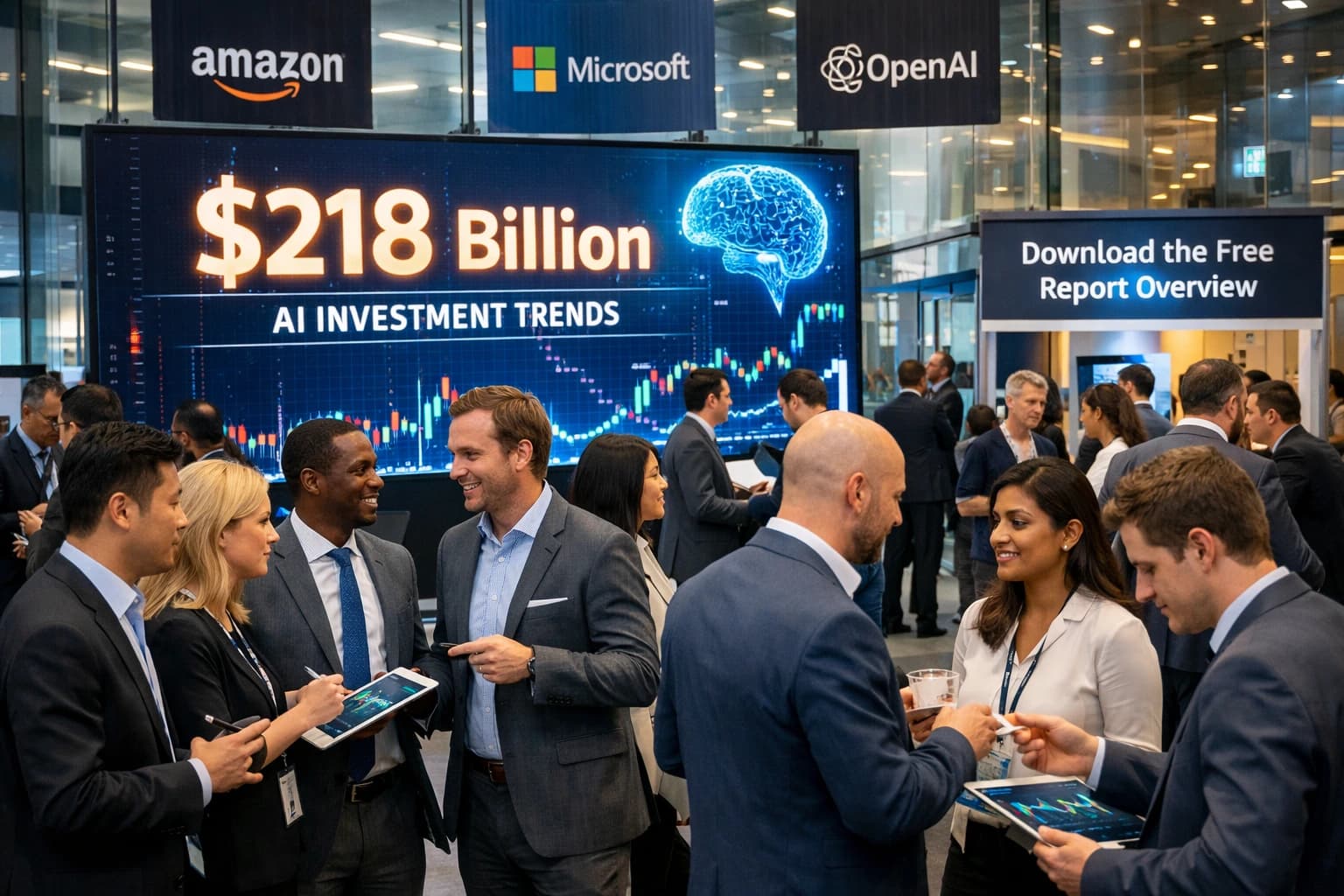
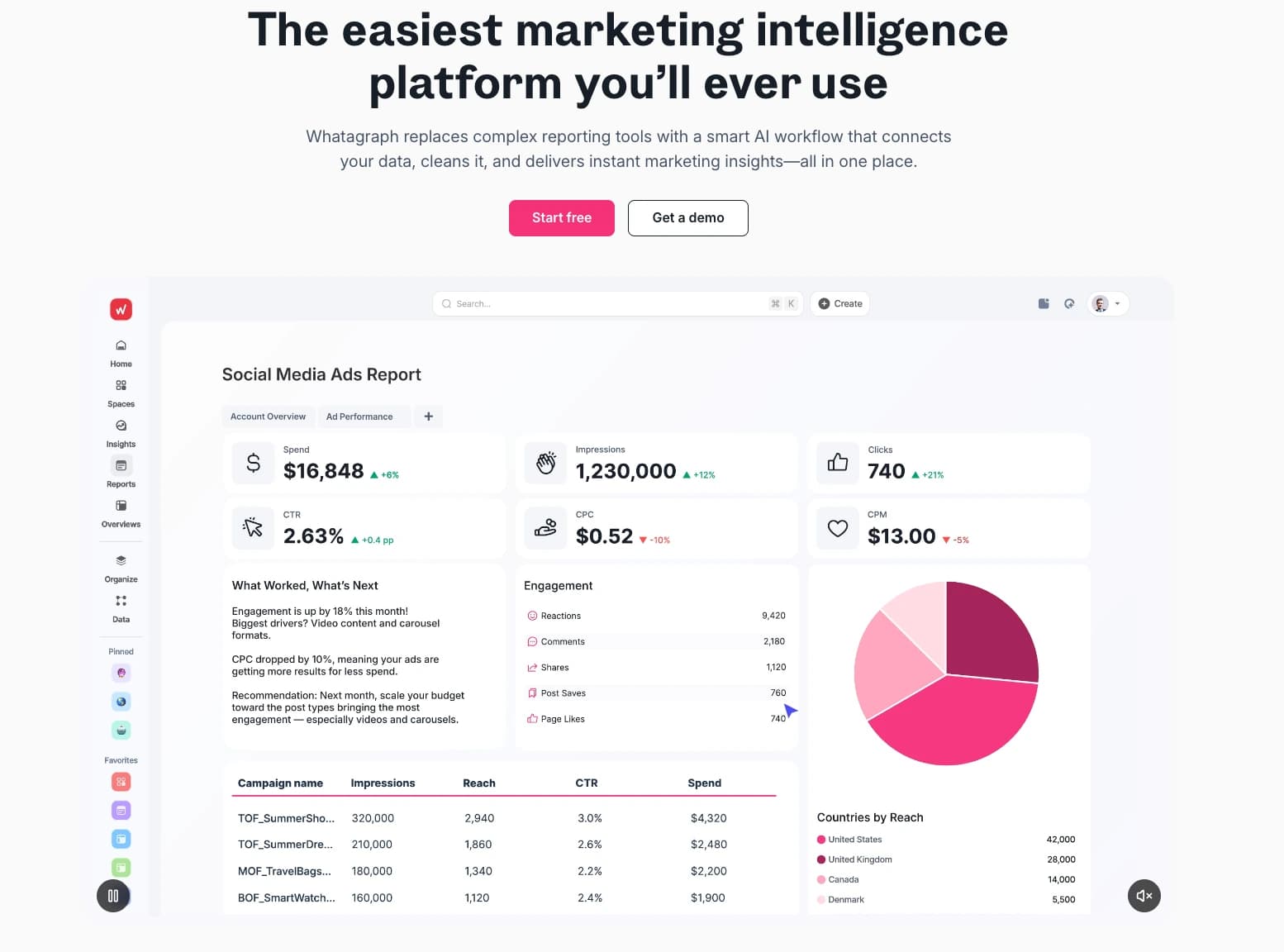
Google says AI Overviews will revolutionize search. Ahrefs says 70% of that content churns every two days. Agencies selling "GEO dashboards" say they can track it. The truth: nobody knows what Google will cite tomorrow, and the consultants charging $15,000 for a one-time visibility audit are selling you a photograph of the ocean mid-wave.
The independent agencies winning this conversation aren't the ones building proprietary AI visibility trackers. They're the ones telling clients the uncomfortable truth: AI search rewards the same fundamentals that have always worked, and the expensive new tooling mostly measures volatility you can't control.
The Churn Problem Nobody's Solving
Here's what 13,200 monthly searches for "AI overview Google search" actually represent: panic. Brand managers want to know if they'll show up in AI-generated summaries. CMOs want dashboards showing their "GEO score." Agencies want to sell something that sounds like the future.
The data says the future is unstable. Ahrefs tracked AI Overview citations across thousands of queries and found content stability lasts roughly 48 hours. Not 48 hours until a small update. 48 hours until 70% of the cited sources get replaced entirely. The URLs Google's AI cites on Monday are mostly gone by Wednesday.
This isn't a measurement problem agencies can engineer around. This is Google's generative AI recalculating answers in real-time based on whatever training data, user signals, and crawl freshness it processed most recently. The machine doesn't have a "top 10" it preserves. It regenerates the entire answer set with every significant query volume shift.
RedTag, a 51-200 person shop in Louisville, competes in this space with content marketing and SEO as core services. They're one of exactly one agency in the entire independent landscape actively positioning around AI Overviews as a service line. That's not because other agencies haven't noticed the 13,200 monthly searches. It's because most agencies smart enough to track keyword trends are also smart enough to know you can't reliably optimize for a target that moves every 48 hours.
The holding company play has been predictable: build a dashboard, charge $50,000 for the annual license, staff it with a "GEO specialist" pulling $120,000 a year, and tell clients they're getting "AI visibility insights." What they're actually getting is a real-time feed of Google's indecision.
What Google Actually Said (And What Agencies Heard Instead)
Google's official guidance on AI Overviews is admirably blunt: be unique, be helpful, make your content "agent-ready." No schema hacks. No chunking strategies. No LLMs.txt files that trick the crawler into preferring your answers.
The independent agency advantage shows up here in clarity. When you're not trying to justify a six-figure dashboard sale, you can tell clients the boring truth: Google's AI pulls from the same index it always has. E-E-A-T still matters. Backlinks from trusted domains still matter. Original reporting and first-person expertise still matter.
Search Console data now includes AI Overview impressions broken out by page, device, country, and date. This is Google legitimizing the category while simultaneously admitting: yes, this is just another search feature. Track it the same way you track featured snippets or People Also Ask boxes.
The agencies selling "GEO optimization" as a distinct practice from SEO are repackaging fundamentals. The ones being honest are telling clients: if you weren't showing up in traditional search results for authoritative, well-linked content, you won't show up in AI summaries either. Google's AI isn't discovering hidden gems. It's summarizing what already ranked.
RedTag's positioning in this space matters because they're not claiming to have solved the churn problem. They're offering content marketing and SEO as the inputs that influence AI visibility as a byproduct. That's the intellectually honest pitch: you can't directly optimize for AI Overviews, but you can create the kind of content that's more likely to get cited when Google's AI regenerates its answer.
The dishonest pitch: "Our proprietary AI visibility audit will show you exactly where you rank in generative results." Rank where? For how long? Based on what stable benchmark?
The Commercial Query Problem Is Getting Worse
Semrush's recent study shows AI Overviews expanding into commercial and transactional queries. High-intent searches where users were ready to click an ad or visit a product page now get an AI-generated summary with embedded links.
This isn't just a traffic problem. This is an attribution problem. When Google's AI answers "best project management software for remote teams" with a summary pulling from six different sources, which agency gets credit for the visibility? Which content drove the consideration? Which backlink influenced the citation?
The holding company response: build attribution models that assign fractional credit based on mention prominence and link placement within the AI Overview. Charge clients for the modeling. Staff it with data scientists who could be doing actual statistical work.
The independent agency response: tell clients their brand needs to be cited, not just linked. AI Overviews pull heavily from sources Google already considers authoritative. That means earned media placements, third-party reviews, Reddit discussions, and off-site brand mentions matter more than on-page schema markup.
This is where agencies like RedTag, with content marketing as a core service, have structural leverage. Producing the kind of original, experiential content that can't be AI-generated is labor-intensive. It requires subject matter expertise. It requires access to proprietary data or first-person reporting. The 51-200 person agency can do this without the overhead burden of a holding company's reporting layer.
The average agency selling "AI optimization" is selling a checklist: add FAQ schema, improve content chunking, optimize for question-based queries. None of that addresses the churn problem. None of that solves for commercial query visibility. And none of that creates the kind of unique, helpful content Google's own guidance says matters most.
The Off-Site Signal Shift Nobody Wants to Hear
Here's the part agencies don't want to tell clients: off-site signals matter more for AI visibility than anything you control on your own domain.
Google's AI is pulling heavily from Reddit, Quora, industry forums, review sites, and earned media placements. The reason: these are sources where real humans discuss real experiences with real brands in contexts Google's AI interprets as trustworthy.
This means the traditional agency deliverable (a revised content strategy, an updated site architecture, a new schema implementation) has diminishing returns. The actual work that drives AI visibility happens off-site, in places the agency doesn't control and can't directly optimize.
Independent agencies have an advantage here because they're not stuck defending last quarter's on-site optimization project. They can tell the client: we need to get you cited in places where industry conversations already happen. That's PR, not SEO. That's community engagement, not schema markup. That's original research that journalists want to reference, not blog posts optimized for "how to" keywords.
The holding company problem: they've already sold the client a site architecture audit, a technical SEO engagement, and a content optimization roadmap. Admitting that off-site signals matter more undermines three separate line items on the SOW.
The independent agency opportunity: reframe AI visibility as a brand-building exercise, not a technical SEO checklist. RedTag's positioning around content marketing maps directly to this shift. Producing content worth citing is fundamentally different from producing content optimized for keywords.
The agencies losing this conversation are the ones still selling "AI readiness audits" as if visibility were a technical compliance problem. The agencies winning are the ones explaining: Google's AI cites what the internet already considers authoritative. If your brand isn't part of the industry conversation, no amount of schema will fix that.
What Continuous Monitoring Actually Looks Like
If AI Overview content churns every 48 hours, monitoring can't be a quarterly deliverable. It has to be real-time. But real-time monitoring without real-time action is just expensive theater.
The question agencies should ask clients: what would you do differently if you knew you appeared in an AI Overview on Tuesday but not Thursday? Would you rewrite the page? Would you publish new content? Would you chase a different backlink?
For most brands, the answer is: nothing. AI visibility is a lagging indicator of overall search authority. You can't fix it directly. You can only do the work that builds authority over time, and AI citations will follow as a byproduct.
The agencies selling continuous monitoring as a standalone service are selling visibility into a problem clients can't solve. The agencies selling continuous monitoring as part of a broader content and authority-building strategy are selling actionable intelligence.
Google's Search Console integration matters here because it gives agencies a free baseline. You can track AI Overview impressions the same way you track featured snippet impressions. You don't need a proprietary dashboard. You need a strategy for what to do when impressions drop.
The independent agency pitch: we'll track your AI visibility as part of your overall search performance, and we'll focus our efforts on the fundamentals that drive both traditional rankings and AI citations. Original content. Strong backlinks. Off-site brand mentions. Category expertise that can't be AI-generated.
The holding company pitch: we have a dashboard with 47 metrics, a dedicated GEO analyst, and quarterly reporting decks that show your visibility score trending up or down based on factors we can't directly control.
RedTag's service stack (content marketing, SEO, creative services) maps to the kind of work that actually moves the metrics. Producing differentiated creative. Building content worth linking to. Establishing category authority through original research and first-person expertise.
The agencies struggling in this space are the ones trying to position AI optimization as a distinct technical discipline. The agencies winning are the ones positioning it as a brand-building outcome that follows naturally from doing the fundamentals well.
The Real Competitive Advantage
Only one agency in the independent landscape is actively positioning around AI Overviews. That's not because the keyword volume is low (13,200 monthly searches is real demand). It's because most independent agencies recognize the game: you can't reliably win a visibility battle when the battlefield redraws itself every 48 hours.
The competitive advantage for independent agencies isn't building better AI visibility tools. It's being honest about what AI visibility actually represents and what clients can realistically control.
Google's top 10 for "AI overview Google search" is dominated by Google's own documentation, Wikipedia, and explainer content from publishers. Nobody is ranking for "how to optimize for AI Overviews" because there isn't a stable playbook. The agencies winning client trust are the ones explaining why that instability matters more than any current ranking.
The holding company vulnerability: they've invested too much in the dashboard, the GEO specialist, the proprietary scoring model. They can't admit the emperor has no clothes without undermining the entire service line.
The independent agency opportunity: tell clients the truth. AI Overviews reward the same fundamentals that have always worked. Unique content. Real expertise. Off-site authority. You can't hack your way into AI citations with schema markup and content chunking. You build your way in with brand authority that takes time, expertise, and consistency.
RedTag's 51-200 person scale gives them the capacity to produce the kind of original content that drives both traditional rankings and AI visibility. They're not selling a technical audit. They're selling the creative and content infrastructure that makes a brand worth citing.
The agencies that will win the AI visibility conversation long-term aren't the ones building the fanciest measurement tools. They're the ones who can tell clients: we don't know what Google's AI will cite next week, but we know how to make you the kind of brand Google's AI will want to cite when it's looking for authoritative sources.
That's not a technical pitch. That's a brand strategy pitch. And it's the conversation independent agencies are better positioned to have because they're not defending last quarter's dashboard sale.
Free Agency Media Editorial
All news