Brand Identity Is Commoditized. The Bundle Is the Real Moat
AI is racing to make logos and style guides free. The agencies building real moats are bundling identity with UX and commerce, before the search terms even exist.
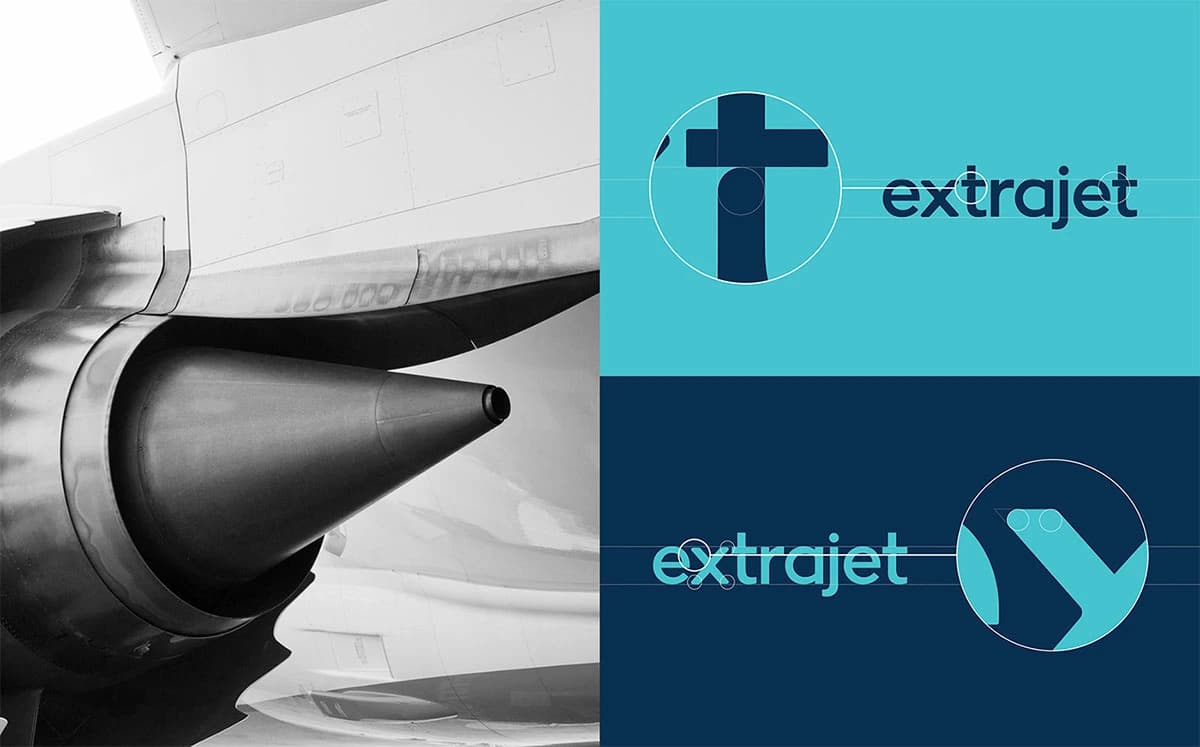
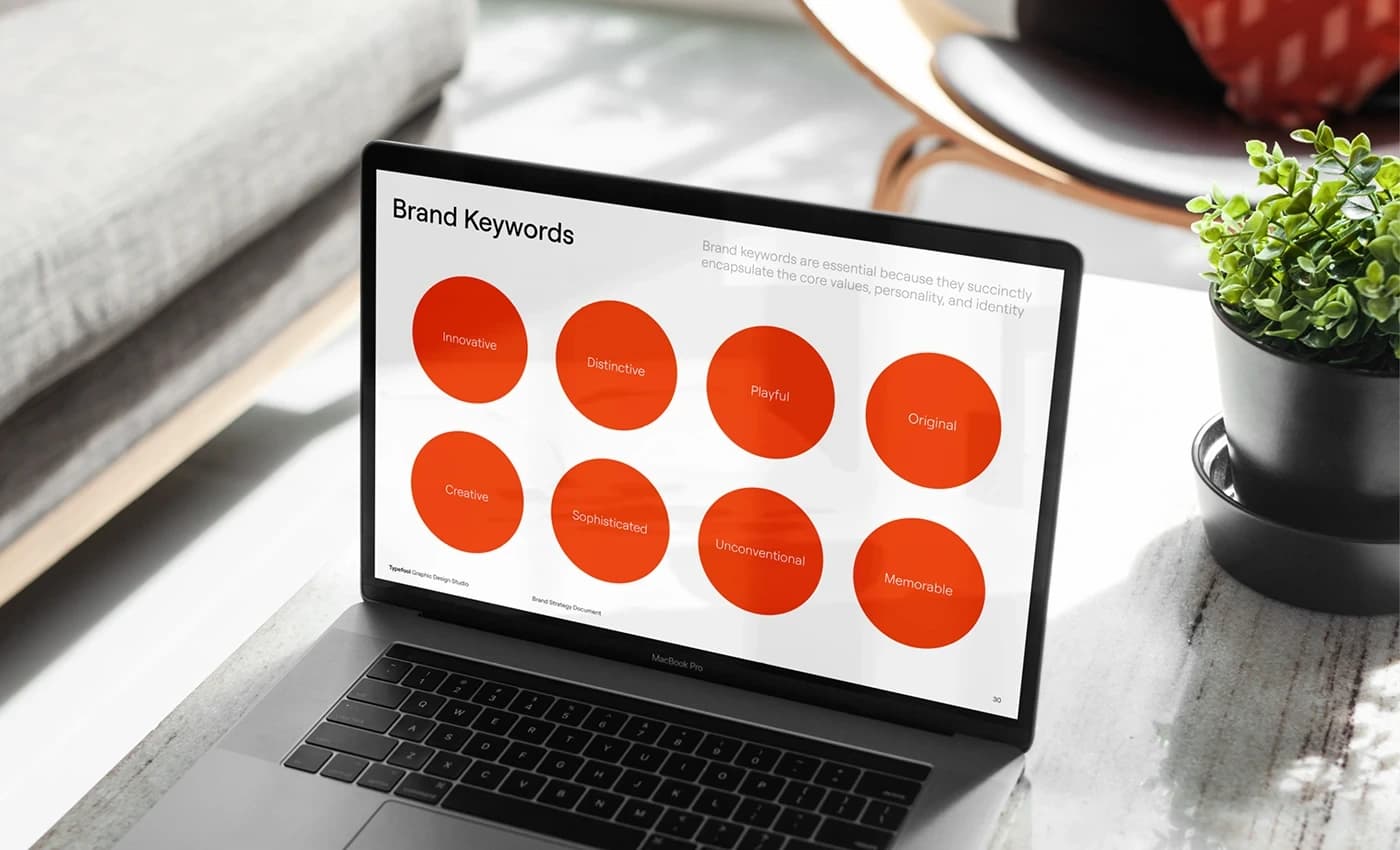
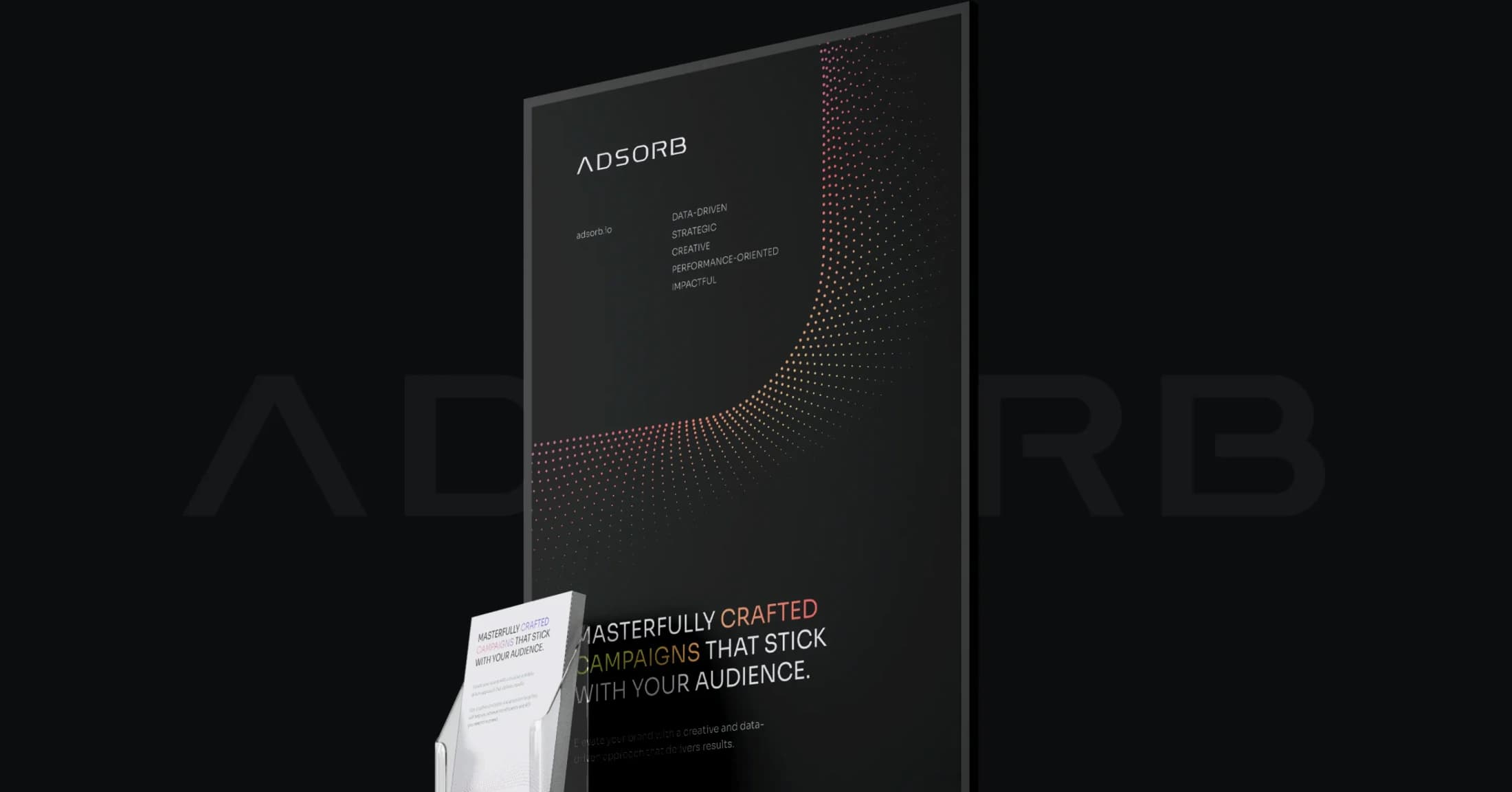
Type "brand identity design agency" into Google and eight portfolio sites and gallery platforms surface before you find a single agency built for anything beyond a logo delivery. Pentagram shows up first: 24 partners, the world's largest independent design consultancy, still selling identity as its core deliverable. Behance and Dribbble show up next, and they aren't agencies at all. They're galleries where identity work gets uploaded and forgotten. The Brand Identity claims 20 million monthly views for a platform that curates static logo case studies. This is what "winning" the identity search currently looks like: a directory economy, not a value economy.
That's the paradox sitting at the center of this piece. The category everyone associates with brand craft has become the most commoditized real estate in the industry, and the SERP proves it in real time. Meanwhile, the keyword cluster this article is built on, "brand identity design agency," "immersive website experience," "interactive e-commerce design," "creative studio branding," "digital brand experience 2024," pulls a combined zero recorded monthly search volume in aggregate tracking, with exactly one agency currently positioned to compete across the full cluster. Nobody's searching for the convergence yet. That's not a sign the convergence doesn't matter. It's a sign the market hasn't caught up to what indie shops are already building.
The Identity Glut Is a Warning, Not a Market
Look closer at what's actually ranking for "brand identity design agency" and a pattern emerges fast. These are either legacy consultancies monetizing scale (Pentagram), boutique specialists monetizing craft (Order Design Studio, founded by Jesse Reed and Hamish Smyth, built specifically around brand identity as a discipline), or aggregator platforms monetizing volume (Behance, Dribbble, The Brand Identity). None of the top eight results describe a bundled offer. None mention commerce integration. None mention interactive or immersive experience as a core service line. Curran-Connors calls itself a "visual identity agency." IDENTITY calls itself "an independent creative agency" built around brands, content, and international expertise, still framed around the identity noun rather than the experience verb. People People, a Seattle-based branding and website agency now in its 25th year, gets closest: brand strategy, visual design, and web development named as a single offer. That's the exception, not the rule, and it's telling that even the exception has to be pointed out.
Here's what that tells you. The discipline everyone thinks of when they hear "brand identity" has ossified into a service category that's easy to name, easy to search, and increasingly easy to generate. A logo and a style guide are, structurally, a finite deliverable. Finite deliverables get commoditized, full stop. AI tooling accelerates that commoditization because logos and style guides are exactly the kind of bounded, pattern-based output that generative systems already handle at a fraction of agency cost and timeline. When the deliverable is a PDF of brand guidelines, the moat around that deliverable is shrinking every quarter, and nobody in the identity-only tier is pricing that decay in yet.
And that's precisely why the SERP hasn't caught up. Search behavior lags market reality by design. People are still typing "brand identity design agency" into Google because that's the vocabulary the industry taught them for the last twenty years. But the agencies actually insulating themselves from AI disruption aren't selling that vocabulary anymore. They're selling something the query doesn't have language for yet, which is exactly why the cluster around "immersive digital experience" and "interactive e-commerce design" still reads as zero volume. Nobody's searching for it because nobody's named it as a category. That's the opening, and it closes the moment the rest of the market figures out what to call it.
What "Beyond the Logo" Actually Means in Practice
The conversation happening in public right now, scattered across X rather than concentrated in trade press, is circling this shift without naming it directly. One recent post from @polsia argued that agencies should build identity, narrative, and creative direction around a founder's actual worldview rather than starting visuals-first or chasing trend cycles. That's not a small distinction. It reframes brand identity as an output of strategy and story, not a starting point of typography and color palettes. Once identity is downstream of narrative, the logo stops being the product. The narrative is the product, and the logo is just one surface it gets printed on.
A separate and more widely engaged post from @Aabbhhz made the sharper claim: as AI floods the internet with generated content, the brands that win will be the ones offering "worlds" people can step into, IRL activations, and belonging, not static digital assets. That's the immersive thesis in its purest form. If AI can generate a thousand competent logos in an afternoon, the thing AI can't generate is a lived, ownable, interactive world a customer chooses to spend time inside. A logo is a static asset. A digital world is an experience with duration, and duration is the thing generative tools are worst at replicating, because it requires continuity, infrastructure, and taste applied over time, not compressed into a single output.
A third thread, from @ronaldcooperjr discussing the NOIDS project, made the infrastructure argument explicit: building a recognizable character universe means investing in 3D assets, animation, and interactive experience "from day one," not dropping a logo and a JPEG and calling it branding. That's the language of world-building, and it's structurally different from the language of identity design. It requires an agency to hold competencies that used to live in three separate vendor relationships: brand strategy, UX and web development, and commerce engineering. Bundle those three and you've built something a generative model can't touch, and something a holding company's fragmented service model can't easily replicate either, because holdco structures are built around discrete P&Ls for discrete disciplines. Strategy sits in one shop. Web sits in another. Commerce sits in a third, often a different holding company entirely. Getting those three to move as one integrated build inside a conglomerate requires coordination across P&Ls that have no incentive to coordinate, and usually don't.
Why the Bundle Is the Moat, Not the Add-On
This is the part the current SERP entirely misses, and the reason is structural, not accidental. A pure identity shop like Order Design Studio, specializing specifically in brand identity as its stated discipline, does that one job well. But the thing it does is also the thing most exposed to AI-driven price compression, because identity design as a category has clear inputs (positioning, competitive landscape, typography conventions) and clear outputs (a logo suite, a style guide, brand guidelines) that generative tooling increasingly handles as a first draft. That doesn't mean craft disappears. It means craft alone stops being a sufficient moat, because the client's next question after seeing a competent AI-generated first draft is simple and brutal: why am I paying agency rates for what a $20-a-month tool got most of the way there?
The answer, for agencies bundling strategy, UX, and commerce into a single build, is that the client isn't paying for a logo anymore. They're paying for an integrated digital world that converts, retains, and compounds, something no prompt currently outputs end to end. wavespaceagency is one operation built on this premise: that brand identity and digital experience aren't two services stapled together for a bigger invoice, but a single discipline with one point of ownership from strategy through storefront. That's the structural difference between a vendor and a partner. A vendor delivers a file. A partner owns an outcome across the full funnel, from the first interactive touchpoint through the checkout flow, and keeps owning it after launch.
This is also where the DTC and lifestyle brand relationship gets sharper. A DTC brand doesn't need a logo redesign nearly as often as it needs its site to convert, its product pages to feel like an experience rather than a form, and its brand world to hold together across every touchpoint a customer might land on. That's a continuous need, not a one-time deliverable, which means the agency serving it well becomes embedded rather than contracted. Embedded relationships compound. One-time deliverables get re-bid. Every indie shop chasing the identity-only model is, by definition, competing for one-time deliverables in a market where AI is racing to make that deliverable free, and racing faster every quarter.
The Twitter Conversation Nobody's Aggregating Yet
Part of why this shift hasn't shown up in search data is that the people discussing it aren't using search-friendly language. A post from @shlxk9, describing an Indian indie agency's approach, made the point in operational terms rather than strategic ones: instead of one-size-fits-all service packages, the team runs deep founder interviews, studies the business's actual origin story, and tailors content and ad strategy differently for a restaurant client versus an e-commerce client. That's not branding-as-deliverable. That's branding-as-ongoing-diagnosis, which only works if the agency retains the relationship long enough to keep diagnosing. An identity-only engagement, by structure, ends the diagnosis the moment the guidelines PDF ships, which is exactly the moment the client's real problems tend to start.
Older threads referenced in the same conversation space, including a 2022-era post from @RenoviHub arguing that boutiques and independents represent the future of creativity, read almost quaint in hindsight. Not because the claim was wrong, but because it's now underselling the mechanism. It's not that indies are more creative in the abstract. It's that indies are structurally positioned to bundle disciplines that holding companies keep siloed, and that bundle happens to be the exact thing insulating them from the specific kind of AI disruption hitting the identity-only end of the market first.
None of this shows up yet in the eight results ranking for "brand identity design agency," and that's the opening this piece is built on. Zero recorded search volume across the "immersive digital experience," "interactive e-commerce design," and "digital brand experience 2024" cluster doesn't mean zero demand. It means the demand exists inside client relationships and Twitter threads faster than it exists inside search behavior. Search is a lagging indicator of vocabulary, not of value. The agencies naming this shift correctly, before the query volume catches up, get first-mover positioning on a category nobody else is optimizing for yet, and first-mover positioning on an uninvented keyword is worth more than top rank on a dying one.
Where the Category Goes From Here
The identity-only shops aren't going away. Pentagram's 24 partners aren't threatened by this shift in the next fiscal year, and Order Design Studio's craft-first specialization will keep winning briefs where pure identity is genuinely the ask. But the ceiling on that model is lower than it was five years ago, and it's dropping every time a generative tool gets better at producing a passable style guide. The agencies building the next tier, the ones bundling strategy, UX, and commerce into a single owned build, aren't competing in the identity category at all anymore. They're competing in a category that doesn't have a settled name yet, which is exactly why wavespaceagency's positioning around integrated digital experience looks like an early claim on vocabulary the rest of the market hasn't adopted yet.
That's the real story behind "beyond the logo." It's not a rejection of identity work. It's a recognition that identity, in isolation, is now a commodity input rather than a differentiated output, and that the agencies treating it as a starting point inside a bigger, owned digital world are the ones building something durable. Holding companies structurally can't replicate that bundle without dismantling the P&L walls that make their model profitable in the first place. Indie shops don't have those walls to begin with.
That absence isn't a limitation being overcome. It's the advantage the next twelve months of this category will be built on, and the search terms describing it haven't been invented yet. The agencies that name it first won't just win the SERP when it eventually catches up. They'll have already defined what the category means by the time anyone else starts typing the query, and by then the gap won't be closable with a better keyword strategy. It will already be a market position.
Free Agency Media Editorial
All news