How Independent Agencies Are Quietly Running Luxury's Biggest Collaborations
Luxury and spirits brands are routing cultural credibility through designers and influencers instead of celebrities, and the agencies architecting it are built to stay invisible.

Johnnie Walker didn't call a celebrity. It called a designer.
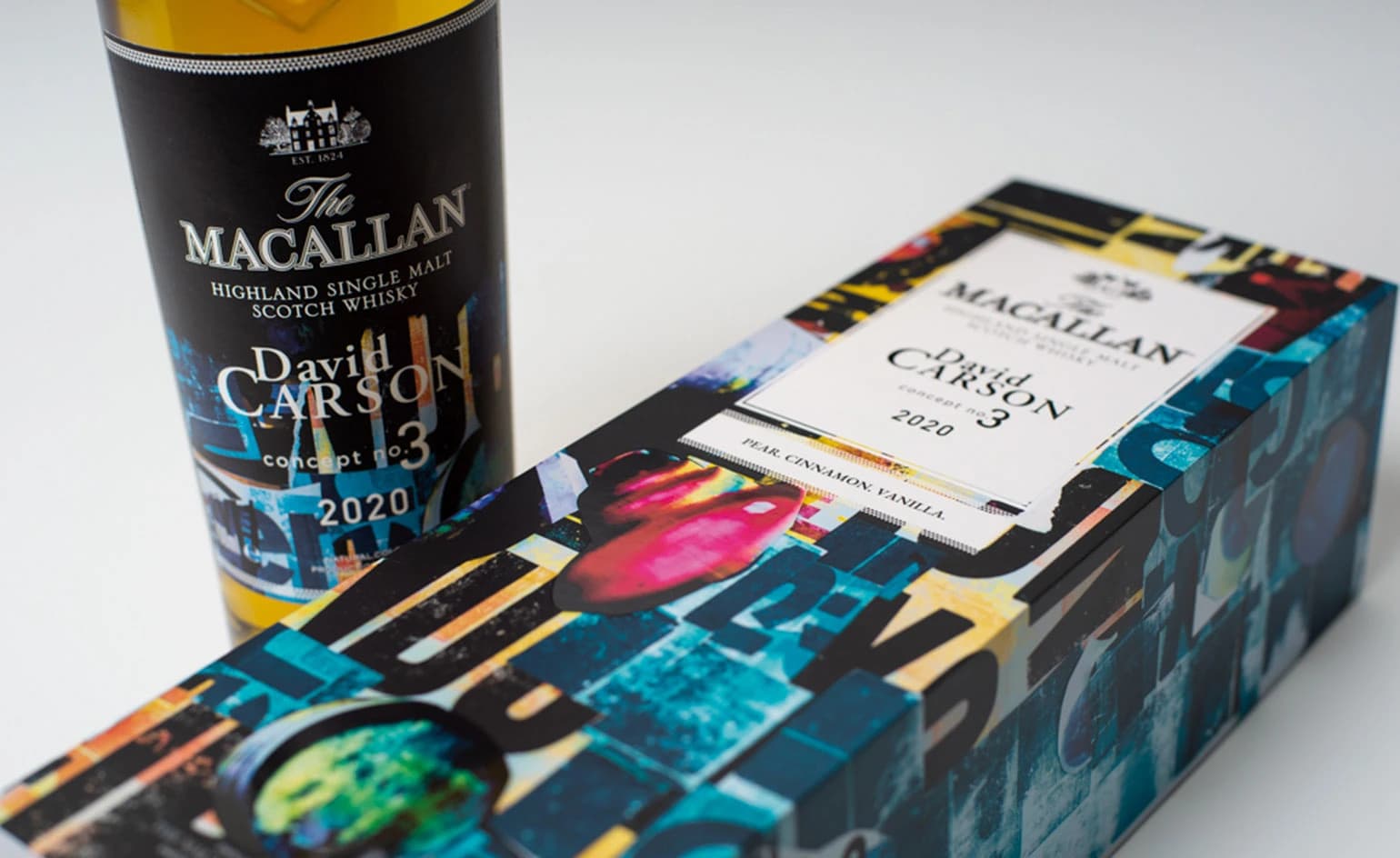
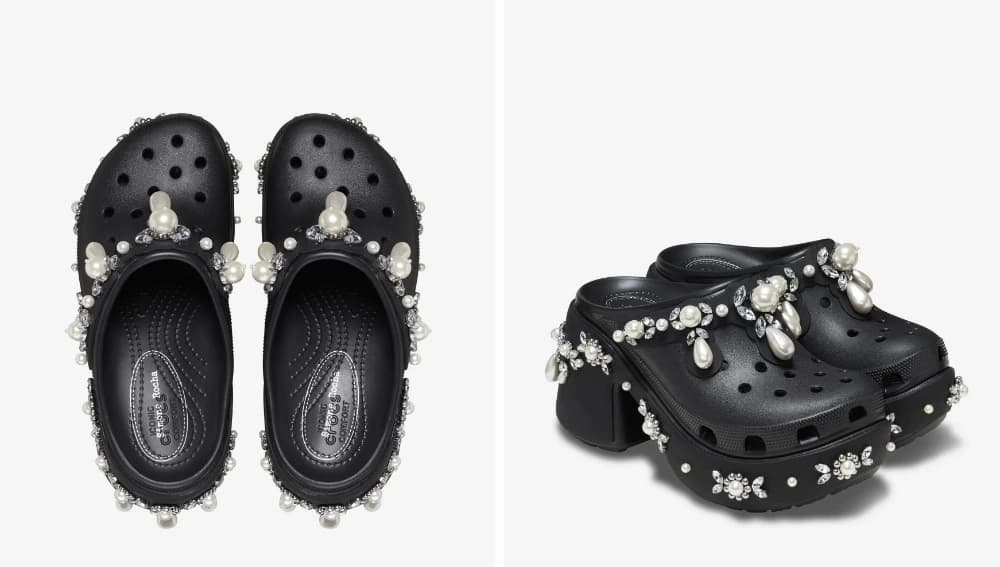
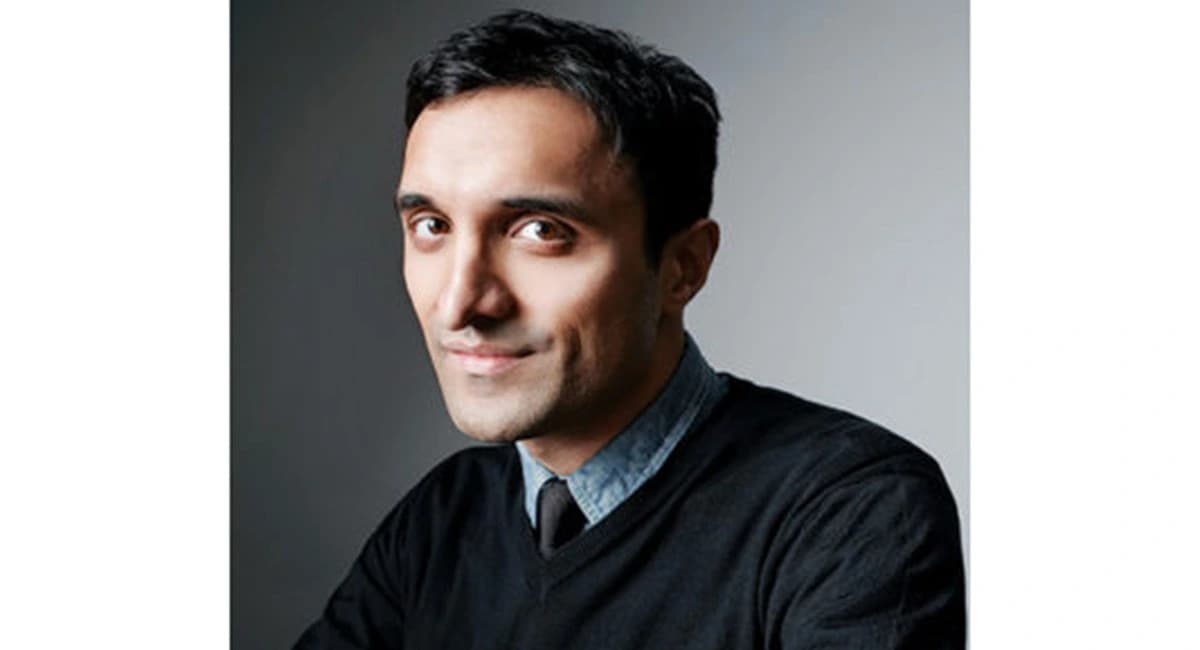
That's the detail that keeps surfacing in trade coverage of Johnnie Walker Blue Label's partnership with Indian designer Rahul Mishra, who's built limited-edition festive blends and packaging for the brand across multiple release cycles, per posts from trade account The Spirits Business. No direct celebrity booking. No talent agency negotiation. Just a designer styling the moment, pulling influencers into the orbit through invites and gigs the brand never had to structure itself. One X account summarized the mechanic bluntly, describing a separate alcohol brand's campaign where a designer handled the styling and distribution while the brand stayed one step removed from any individual celebrity deal: "That's how marketing works... idiots."
That's not cynicism. That's the blueprint.
Luxury, fashion, and spirits brands have found a structure that lets them borrow cultural credibility without taking on celebrity risk, celebrity cost, or celebrity control. The designer becomes the face. The influencers get recruited through the designer's network, not the brand's media buy. And the agency architecting the whole thing often doesn't appear in the credits at all. This is the part nobody's mapped yet: not the campaigns themselves, but the operational logic underneath them, and the specific kind of independent shop built to run it.
Who Gets Credited, and Why the Brand Wants It That Way
Here's the paradox at the center of this trend: the agencies engineering some of the most talked-about luxury and spirits collaborations are the ones least visible in the conversation about them.
That's not an accident. It's the mechanism. When a brand partners with a designer instead of signing a celebrity directly, it buys distance. The designer takes the creative spotlight. Influencers recruited through the designer's network get credited as talent, not as paid placements. Cultural resonance flows to the brand without the liability of a single face carrying the entire campaign. And the agency that structured the deal, negotiated the IP terms, and built the activation calendar sits one layer removed from all of it, exactly where it wants to be.
That's a different value proposition than the one big agencies pitch. Holding company shops are built to be visible: case studies, award submissions, press releases with the agency's name in the first line. The designer-as-intermediary model runs on the opposite instinct. The brand wants the story to be about the designer and the culture, not about the agency that assembled the machine. That requires an agency comfortable architecting something it won't get to brag about publicly, at least not immediately, at least not by name.
That's an unusual pitch to make to a client, and an even stranger one to make to a parent company. Most agencies compete on visibility: look what we made, look who hired us, look at the award. This model asks an agency to compete on invisibility, to trust that letting the designer, the influencers, and the brand take the public credit is the win. That's a hard sell inside a holding company structure built around quarterly reporting to a parent that wants proof of billable creative output. It's a much more natural fit for an independent shop that doesn't answer to anyone demanding a press hit to justify the retainer.
The Craft Counter-Trend: Illustrators, Hand-Work, and Effort Signaling
There's a second signal worth connecting to the first. Vogue's runway and magazine accounts on X have been tracking a shift among luxury houses including Chanel and Loewe toward hiring illustrators and hand artists, framed explicitly as a counter to AI-generated content. The term circulating is "effort signaling," the idea that visible, human craft has become its own luxury marker precisely because AI-generated imagery is now cheap and ubiquitous.
That instinct, hire the human, show the hand, resist the shortcut, is the same instinct driving the designer-as-intermediary model. Both are bets that cultural authenticity reads as more valuable than efficiency. Both require an agency partner who understands craft well enough to source it, brief it, and protect it through production. That's a specific kind of fluency. It's not a media-buying skill. It's not a performance-marketing skill. It's a design and cultural literacy that lives natively inside independent shops built around creative identity rather than inside holding companies built around media scale.
This is where CRAFT's positioning becomes relevant. The agency's tagline, "Unearthing what's next," is the exact posture this moment calls for: an agency whose stated job is finding the cultural signal before it's obvious, which is precisely what a brand needs when deciding whether an illustrator's hand-drawn campaign or a designer-fronted influencer activation is the next move worth making. CRAFT's own site lists recognition simply tagged "campaign," a modest flex for a shop whose founding premise is staying ahead of the trend rather than announcing it.
Made Thought operates from a related but distinct angle. Its site describes the agency as "A Global Creative Office," and its own citations point to recognition from Campaign, Fast Company, and D&AD, three very different audiences: trade press, business press, and design's most selective award body. That spread matters for luxury and spirits work specifically. A brand running a designer-fronted collaboration needs a partner credible to the design world, the business press covering the deal's commercial logic, and the trade outlets that will determine whether the campaign gets written up as a case study or ignored. Made Thought's citation spread suggests an agency built to be legible across all three audiences at once, which is a different skill than being the loudest in any one of them.
Six Independent Shops Built for the Credit They Don't Take
Look at the founding years across this group and a pattern emerges that's easy to miss and hard to ignore once you see it. 3Headed Monster, Hofmarschall, and CRAFT were all founded in 2014. Three separate shops, three separate markets, the same year. That's not proof of a movement by itself, but it's a meaningful data point: 2014 sits squarely in the window when independent creative shops began positioning themselves explicitly against the holding company model, not as discount alternatives but as structurally different businesses built for a different kind of client relationship.
3Headed Monster is the most fully documented of the group. Based in Dallas, Texas, the 11-50 person shop was founded by Shon Rae, who serves as Creative Chairman and CEO, alongside co-founder Mark Fod, who leads as Design Director. Its service list reads like a brief built for exactly this kind of work: Content Marketing, Design, Creative Services, Advertising, Media Buying & Planning, Performance Marketing, Branding & Identity, Digital Marketing, and Analytics & Data. That's a full stack under one roof, no handoffs between a creative shop and a separate media agency and a separate data team. For a luxury or spirits brand trying to move fast on a designer collaboration, a single accountable team covering brand identity through to media planning removes the coordination lag that kills momentum on culturally timed campaigns.
Hofmarschall, also founded in 2014, carries a tagline that translates roughly to "looked at soberly," an unusually clear-eyed positioning for an agency operating in a category, luxury and spirits branding, that runs almost entirely on intoxication, aspiration, and spectacle. An agency that names its own instinct toward sobriety and clarity is signaling something specific to a potential luxury or spirits client: we won't lose the plot chasing the trend, we'll tell you which trend is worth chasing.
Then there are the two shops whose public-facing sites currently offer almost nothing. Day One Agency's site, dayoneagency.com, serves visitors the default nginx welcome page, the one that reads "Welcome to nginx!" and tells you "further configuration is required." WeSayHi's entire public presence amounts to a logo file. Neither tells you anything about client work, headcount, or specialty.
That detail matters more than it first appears. The entire designer-as-intermediary model runs on agencies that don't need their own homepage to do the talking. A brand hiring an intermediary agency for a culturally sensitive collaboration isn't vetting that agency through its case study page. It's vetting through relationships, through reputation passed between creative directors and brand marketers who already know who can execute. An agency with a broken or empty website isn't necessarily an agency doing no work. It may be an agency whose work is intentionally happening somewhere the public internet doesn't see it, credited to the designer, the influencer, or the brand itself. That's not a flaw in this category. That's the model working exactly as designed.
The K-Pop Expansion and the Ethics Backlash
The designer-intermediary logic is scaling into adjacent territory, and the direction it's scaling reveals something about where the leverage actually sits. One thread of X discussion points to luxury houses including Dior, Gucci, and Prada expanding K-pop idol partnerships, a strategy that functions on the same principle as the designer model: borrow an existing cultural authority instead of building one from scratch through a traditional endorsement deal. The same discussion draws a contrast with Celine's approach and notes that smaller labels are increasingly turning to micro-influencers for the same reason brands turn to designers: authenticity at a lower structural cost than a celebrity deal, with credit flowing to the talent rather than to the brand's own marketing department.
Prada's campaign work with Thai star Metawin Opas-Iamkajorn has generated its own wave of organic praise on X, with multiple accounts specifically crediting the partnership with captivating high-end consumers and generating buzz that reads as earned rather than bought. That distinction, earned versus bought, is the entire value proposition of the intermediary model. The moment a campaign reads as a straightforward celebrity endorsement, it loses the cultural credibility that made the designer or influencer route worth choosing in the first place.
But the model has an exposed flank, and it's showing up in the discourse too. A thread on X raised ethics concerns around fast-fashion collaborations, specifically alleging that brands including Shein have copied independent designers' work and criticizing a pattern where talent gets brought in for marketing value rather than genuine creative input. That's the failure mode of the entire playbook: when the designer or influencer becomes a credibility prop rather than an actual creative partner, the authenticity the whole model depends on collapses, and it collapses publicly, on the same platform where the praise was generated.
That's the line an agency has to walk when it's structuring one of these deals. The designer or influencer has to have genuine creative control, not just a styling credit, or the campaign reads as exploitation the moment anyone looks closely. That's not a media-buying problem. It's a judgment call about creative integrity, made deal by deal, brief by brief. It's exactly the kind of call an independent shop with design fluency is built to make, and exactly the kind of call a holding company structure, optimized for scale and repeatable process, tends to get wrong.
What Comes Next for Independents in Luxury and Spirits
The designer-as-intermediary model isn't a workaround. It's becoming the standard structure for how luxury and spirits brands buy cultural relevance without buying celebrity risk, and the agencies fluent enough in design and culture to architect it are positioned to keep winning these briefs regardless of their size.
That's the strength frame, not the survival frame. A full-stack shop like 3Headed Monster doesn't need to be bigger to run this kind of campaign well. It needs speed, internal coordination, and credibility with the design world, qualities its service list and structure already suggest it has. An agency like CRAFT doesn't need a bigger team to find the next cultural signal before a holding company's insights department finishes its quarterly trend deck. It needs to keep "unearthing what's next" before the trend is obvious enough for everyone else to chase.
The effort-signaling instinct Vogue's accounts identified, the preference for visible human craft over cheap AI output, is going to keep pushing luxury and spirits brands toward partners who understand craft as a discipline, not a deliverable. The ethics backlash building around fast fashion's handling of independent designers is going to make brands more careful about who they credit and how, which raises the value of an agency that can structure a deal where the designer's creative control is real, not decorative.
None of that favors scale. All of it favors fluency. The shops that keep landing these briefs will be the ones comfortable building something they don't get to put their own name on, credited quietly, paid properly, and trusted to do it again on the next collaboration. That's not a smaller opportunity than the one holding companies are chasing. It's the only version of this category worth being in, and the agencies already built for it have no reason to wait for the rest of the industry to catch up.
Free Agency Media Editorial
All news

