The Brand Management Category No Agency Has Claimed
Search 'marketing and brand management' and you'll find nine definitions and zero practitioners. That gap exposes what real brand work now requires.
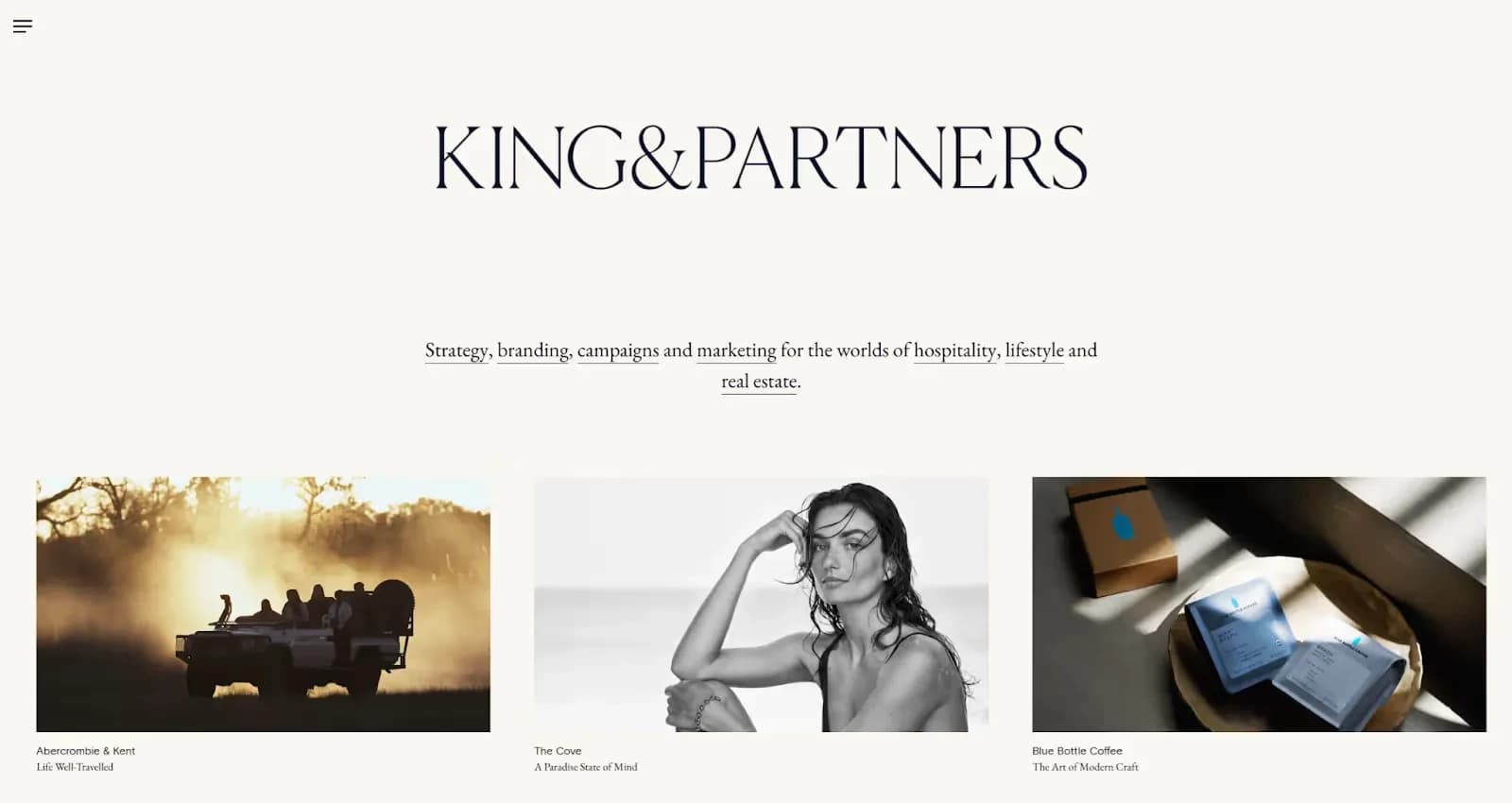
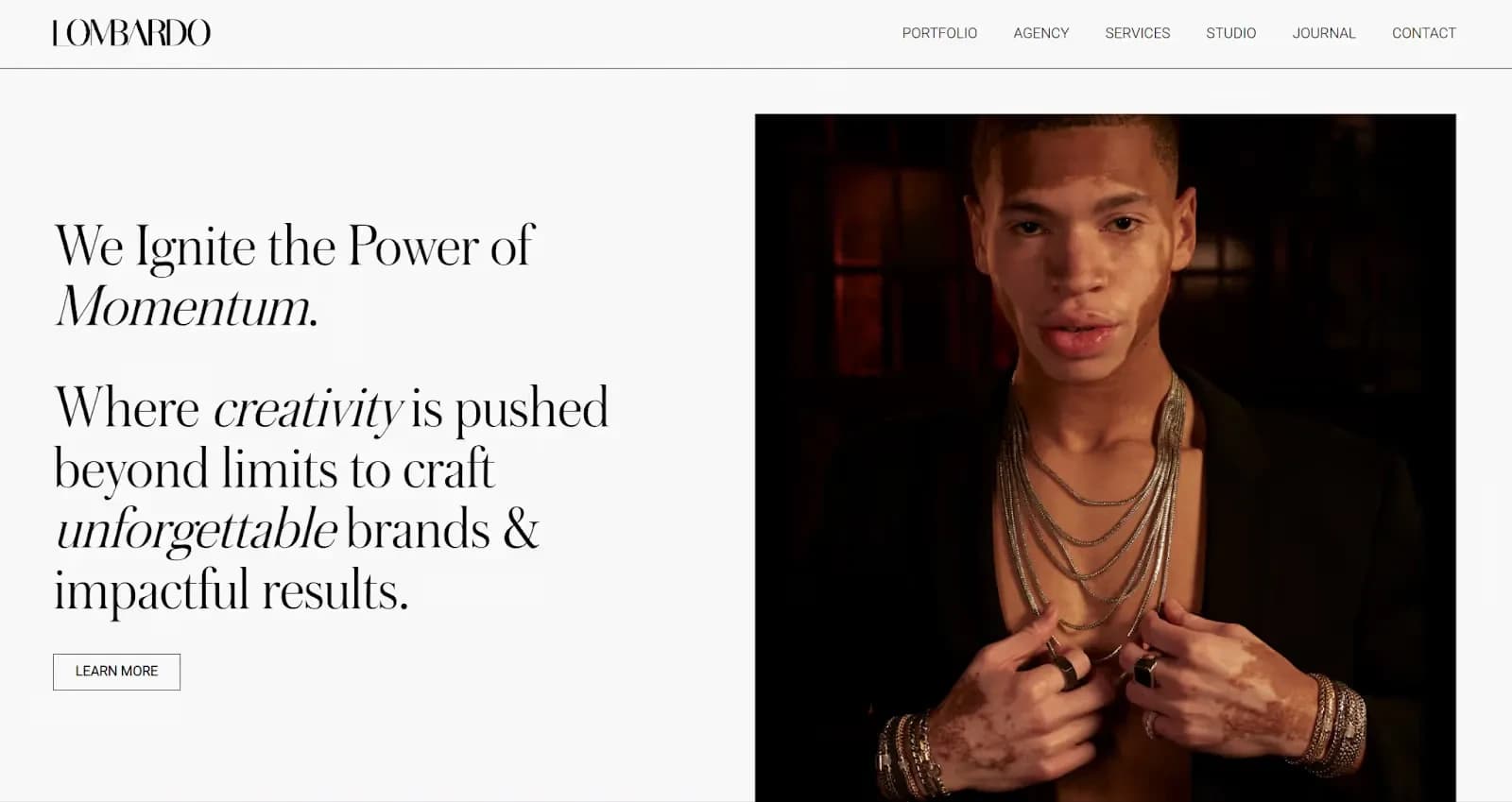
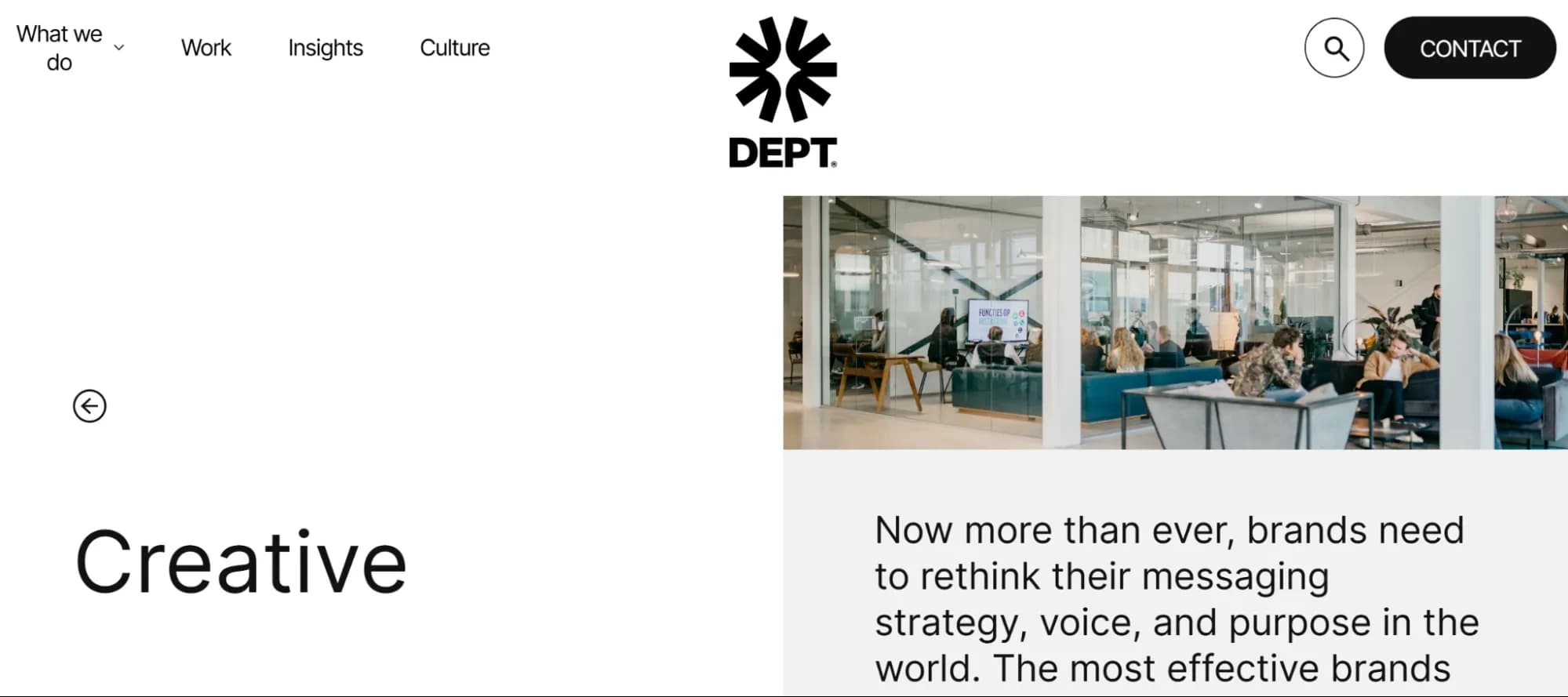
The cluster "marketing and brand management" pulls 140 searches a month. Zero independent agencies show up anywhere in the results for it. Not on page one, not on page two, not in the "people also ask" box. The entire conversation belongs to Coursera, NYU Stern, Acquia, Amazon Advertising, and a Reddit thread titled "Brand Manager VS Marketing Manager" that ranks first.
That's the paradox worth sitting with. A discipline built entirely on differentiation, on standing out, on knowing your own value proposition better than anyone else, cannot differentiate itself in its own search category. The people who are supposed to be the best in the world at brand positioning have no position at all in the query that defines their work.
Nine Definitions, Zero Practitioners
Run the top 10 results for "marketing and brand management" and count who's actually doing the work versus who's describing it. Frontify explains the difference between brand and marketing. Gisma, a business school, published a March 2026 explainer aimed at "students." Coursera has a June 2026 piece that reads like a syllabus. NYU Stern's page is a course description for an MBA specialization. Acquia and Amazon Advertising both maintain glossary entries. LinkedIn surfaces a post asking "Are you clear on your role as a brand manager?" Reddit's r/marketing thread, the number one result, is a comment section.
Nine of the ten results are definitional. Not one is an agency saying "here's how we do this, here's who we've done it for, here's what happened." The entire search intent behind "marketing and brand management" is being served by academia and forum debate, not by the practitioners who actually build brands for a living.
That gap is the story. Not because 140 monthly searches is a huge number on its own, but because it's a proxy for a much larger blind spot: an entire category of independent agency work with no public-facing proof of competence. Buyers searching this term aren't looking for a definition. They already sat through the MBA class or read the Coursera module. They're trying to figure out who actually does this well, and the internet is handing them a glossary instead of a name.
The Debate That Explains the Silence
The reason this gap exists right now, in 2026 specifically, traces back to a live argument happening on X about what brand management even is anymore.
Nikunj Kothari framed it in stark terms: brand marketing is becoming one of the top three assets a company can build, not because of aesthetics or a slick launch video, but because AI agents are now the primary interface between companies and users. When a chatbot, not a human, is doing the recommending, the thing that survives is vibe, consistency, and long-term positioning, not a campaign calendar. Kothari's post pulled over 1,250 likes and 140 replies, a large reaction for a niche argument about brand strategy. It landed because it reframed brand from "nice to have" to "cofounder-level function," his words, for the next decade.
Greg Isenberg pushed a parallel but sharper claim: after coding agents automated software development, "marketing agents" are next. Systems that research a market, generate on-brand creative, test it live on Meta, and optimize in loops using tools like Perplexity, vision models, and HeyGen. Isenberg's framing implies startups can increasingly route around agencies entirely for execution. Sean Frank went further, predicting AI will "eat old outdated agencies first," with lean operators using AI across strategy and execution while legacy firms bleed out on overhead they can no longer justify.
What all three of those takes share is this: none of them are arguing that brand strategy matters less. They're arguing that the execution layer around brand, the decks, the campaigns, the production, is getting commoditized by AI faster than most agencies are willing to admit. Which means the actual differentiator left standing is the thing AI agents are worst at: knowing what's true about a company before you say anything about it publicly.
That's exactly where Scott Bair's critique lands, and it's the sharpest one in the entire conversation.
The Failure Mode Bair Is Naming
Bair's argument is simple, and it should be uncomfortable for a lot of agencies that call themselves brand specialists: agencies deliver subjective branding without ever uncovering the client's actual truth, and that's what stalls decisions. Not bad taste. Not weak design. A process failure upstream of any creative work, where nobody did the hard, boring, adversarial work of figuring out what the company genuinely is before deciding what it should look like.
This is the difference between brand strategy and rebrand theater, and it's the single most useful filter for evaluating any agency claiming brand management capability in 2026.
Rebrand theater looks like this: a discovery call, a mood board, three logo directions presented with confident language about "boldness" and "modernity," a brand guidelines PDF, an invoice. Nobody asked why the last three positioning attempts failed. The customers who churned were never interviewed. Nor did anyone sit with the founder long enough to find out what they actually believe, as opposed to what they think sounds good in a pitch deck. The output is subjective because the input was never rigorous. Bair's phrase, "the client's truth," implies something specific and researchable, not something you brainstorm in a workshop with sticky notes.
Substantive brand work looks like the opposite: probing before presenting. An agency that asks harder questions in week one than the client's own board has asked in three years. An agency willing to tell a founder that the problem isn't the logo, it's that the company has changed what it does four times and nobody outside the building knows which version is current. That's uncomfortable work. It's also the only work that produces a brand position durable enough to survive contact with an AI agent that's summarizing the company to a user in one sentence, which is increasingly the only "impression" that matters, per Kothari's argument.
The reason nine definitional articles dominate the SERP and zero agencies do is partly because most agencies doing rebrand theater have nothing differentiated to say. You can't write a compelling case study about a discovery process you skipped.
What AI Actually Threatens, and What It Doesn't
Rocky Roark's pushback on the AI-optimism side of this debate matters here too. Roark's point: even the AI companies themselves avoid using AI tools for their own marketing, because audiences reject detectable AI output on sight. He argues the "average" result AI produces isn't a rounding error, it's the ceiling. Creativity that moves people requires a human with something at stake, not a model predicting the statistically likely next choice.
Put Roark next to Isenberg and Frank and you get the actual shape of the disruption, which is narrower than the hottest takes suggest. AI agents are very good at research, generation, testing loops, and optimization: that's execution, that's the campaign layer. Isenberg is right that a startup founder can now use Perplexity, a vision model, and HeyGen to produce on-brand assets and run split tests without hiring an agency for that layer. Frank is right that agencies whose entire value proposition was "we produce competent execution at scale" are exposed, because that's now a subscription, not a retainer.
But none of that touches the thing Bair is talking about. No AI agent uncovers a client's truth. That requires sitting in a room with a founder who's defensive about a pivot, or a leadership team that disagrees internally about what the company is for, and doing the work of getting to something everyone can stand behind honestly. That's not a research task. It's a trust task. It's also, not coincidentally, the exact function Kothari says is about to become cofounder-level important, because once you know the truth, you can encode it into a brand system an AI agent can represent consistently across a thousand automated interactions a founder will never personally see.
So the real map for 2026 looks like this: execution-only agencies are commoditizing fast, and the pace of AI marketing tool adoption Isenberg and Frank both describe backs that up. Strategy-only agencies that skip the truth-finding process are producing rebrand theater that stalls decisions, per Bair, and that's a client retention problem, not a capability flex. The agencies with actual staying power are the ones doing both: rigorous truth-finding upfront, and AI-fluent execution that scales the resulting brand system without diluting it.
That combination is rare. It's rare enough that the search results for "marketing and brand management" can't find a single independent shop willing to claim it publicly.
How to Actually Vet This, Instead of Trusting the Deck
Given that the market has no visible leaderboard here, the vetting has to happen manually, and it has to be more specific than "check their portfolio." A portfolio shows output. It doesn't show process. What separates a brand management agency with real capability from one running rebrand theater with a nicer font is the process behind it, not the output in front of it.
Ask what they found out that the client didn't already believe. Any agency worth hiring should be able to describe, specifically, a moment where research or interviews surfaced something the founder or leadership team was wrong about. If every engagement they describe confirms what the client already thought, they're not finding truth, they're flattering assumptions. This is Bair's critique operationalized into a screening question.
Ask how they'd brief an AI agent to represent the brand, not just a designer. By 2026, if an agency can't answer how their positioning work translates into something a chatbot or automated ad system can consistently represent, they're still building for a media environment that's shrinking. Kothari's thesis, that brand becomes the asset AI agents lean on to differentiate one company from another in a user's eyes, means the deliverable isn't a brand guidelines PDF anymore. It's a system precise enough to survive translation by a machine that has no taste of its own.
Ask which parts of execution they've automated, and why. An agency that's honestly integrated AI tools for research, testing loops, and iteration, the way Isenberg describes, should be able to explain what got faster and what didn't change at all. If they claim nothing changed, they're either not telling the truth or they're the legacy shop Frank predicted gets eaten first. If they claim everything got automated, including the strategic judgment calls, be skeptical: that's the gap Roark is pointing at, where average output gets mistaken for finished work because it's fast and looks polished.
Ask for a case where the brand work stalled and why. Bair's whole point is that stalled decisions are the tell. An agency confident in its process will have a story about a client who couldn't commit, and will be able to explain precisely why, usually because leadership hadn't agreed internally on the truth the agency surfaced. An agency that's never had a stalled decision either hasn't done enough real work yet or isn't pushing hard enough to surface anything uncomfortable.
Check whether their own positioning survives their own scrutiny. This sounds obvious and it's skipped constantly. An agency selling brand management should have a brand position specific enough that you could not swap their name for a competitor's without the sentence falling apart. If their own "about us" page could belong to fifty other shops, that's the clearest signal available, before a single client conversation happens, that their process produces generic output.
None of these questions show up in a pitch deck. That's the point. Rebrand theater is optimized for the deck. Real brand management capability is optimized for surviving the questions the deck doesn't answer.
The Category Nobody's Claimed Yet
The opportunity sitting inside a search cluster that only moves 140 people a month is this: it's small precisely because it hasn't been served. Search volume follows visible authority. When nobody credible answers a query with a name attached, people stop typing the query and start asking around instead, in Slack channels, in founder group chats, in exactly the kind of conversation happening on X right now among Kothari, Isenberg, Bair, Frank, and Roark. The volume undercounts the demand because the demand has nowhere satisfying to land.
That's a gap, not a dead end. An independent agency that can demonstrably do what Bair describes, that can show its truth-finding process, name the moment it changed a client's self-understanding, and pair that with the AI-fluent execution Isenberg and Kothari both assume is now table stakes, has a wide-open lane to become the name that shows up when someone searches "brand management agencies" instead of a Coursera glossary entry.
The work required to earn that position is the same work required to actually be good at brand management: rigor before creativity, truth before taste, and a system built to survive being interpreted by something other than a human. The agencies willing to do that publicly, case study by case study, question by question, are the ones who'll turn 140 searches a month into a category they own outright. Right now, that category has an opening with nobody standing in it. That won't last.
Free Agency Media Editorial
All news


