The Branding ROI Category That Doesn't Exist Yet
Zero searches for rebranding ROI case studies. Not a gap in demand: a signal that independent agencies are rewriting how brand work connects to revenue before the market has language for it.
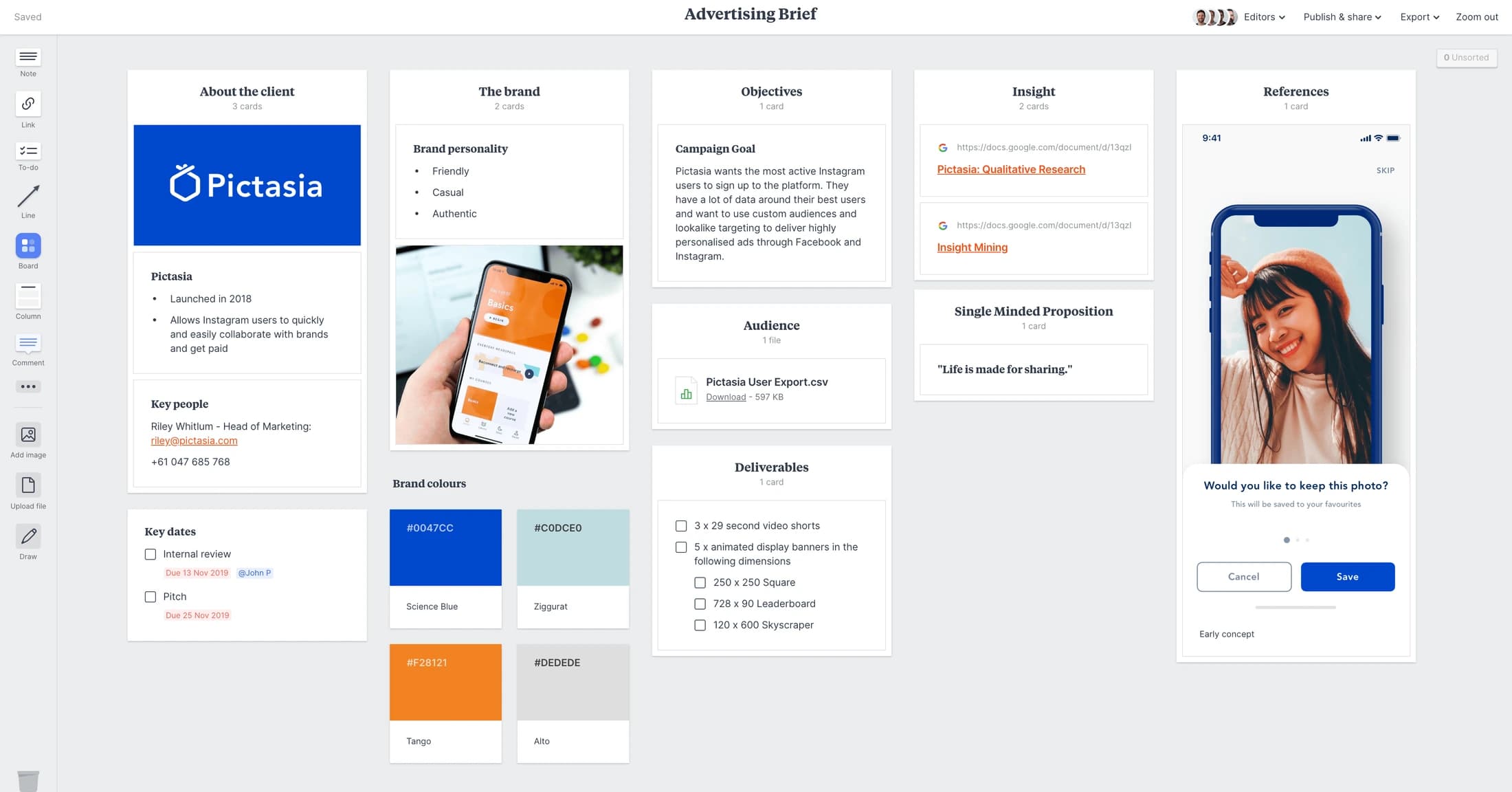
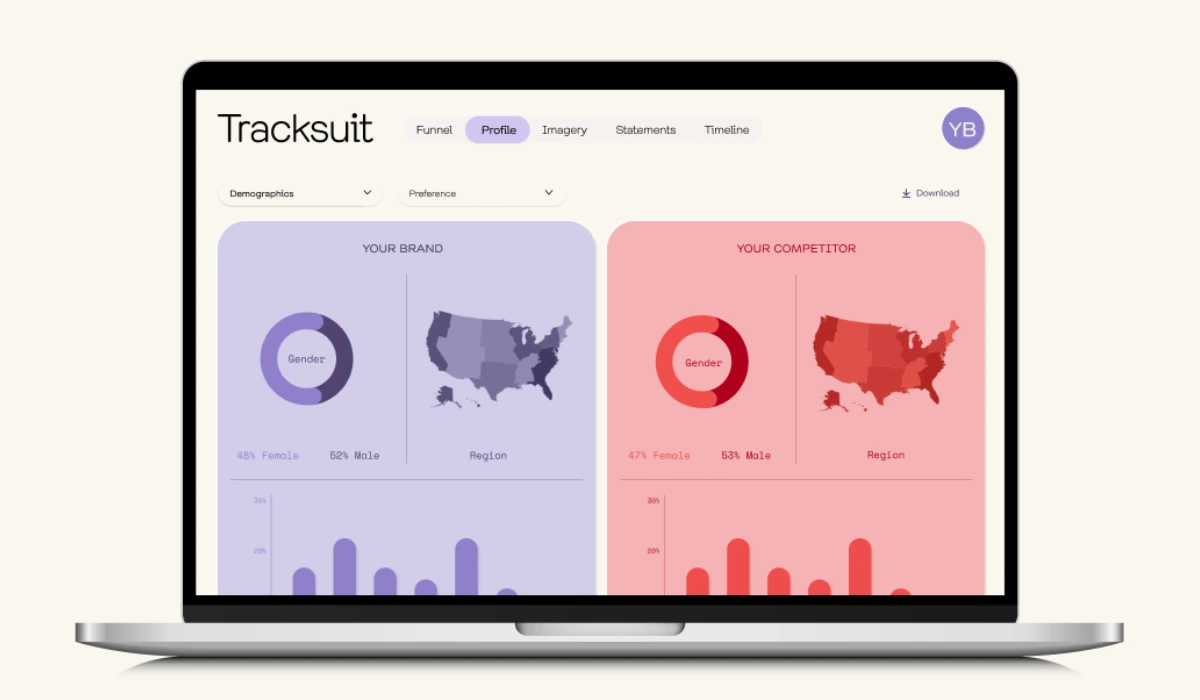


Nobody is searching for case studies on rebranding ROI. Zero monthly searches for "rebranding ROI case studies." Zero for "brand identity growth results." Zero for "measurable results" connected to visual identity work.
The market says the question doesn't exist. The data shows independent branding agencies are either not documenting their impact in growth terms, or they're keeping their methodology proprietary, or the entire premise of tying brand work to revenue metrics is still so rare that the search volume hasn't materialized. When a keyword cluster shows zero demand across every variation, that's not a gap. That's a signal the conversation doesn't exist yet.
But here's the paradox: zero search volume while the work is happening. The industry hasn't standardized how to talk about it yet. That creates an opening.
The Structure Problem
Brand agencies have been promising growth for decades. The pitch deck language is always the same: "A strong brand drives preference. Preference drives revenue." The logic holds. The measurement rarely does.
The traditional rebrand operates in the qualitative layer. Brand perception studies. Consumer sentiment tracking. Recall scores that move from 34% to 41% over 18 months. CFOs squint at those numbers and wonder what they paid for. The visual identity changes, the tagline updates, the brand guidelines get shipped as a 200-page PDF. Then the agency moves on. If revenue climbs six months later, was it the rebrand or the product launch or the new CMO or the TikTok campaign that happened to go viral?
Independent agencies aren't solving this by inventing better measurement tools. They're solving it by changing the structure of the engagement. Instead of delivering a rebrand as a fixed-scope project with a handoff moment, a small number of shops are building ongoing relationships where brand work ties directly to growth metrics over time. Not "here's your new logo, good luck." Instead: "Here's your new identity system, and we're staying on as your brand stewards while you scale."
The keyword data shows zero demand because the industry hasn't named this shift yet. But the structural change is real. Agencies that figure out how to position brand work as a growth instrument, not a creative deliverable, are winning clients who used to brief only performance agencies or growth consultancies.
This is happening in plain sight. Small agencies are embedding themselves in client operations. They're sitting in weekly growth meetings. They're reviewing performance dashboards alongside paid media teams. They're treating brand work not as a deliverable but as infrastructure that powers every customer interaction. The rebrand becomes the system. The system generates measurable outcomes. The outcomes justify the investment.
What Full-Stack Actually Means
"Full-stack" in this context doesn't mean an agency that does everything. A full-stack branding agency connects brand strategy to every customer touchpoint and measures what happens at each one.
A traditional branding agency delivers identity and messaging. A full-stack branding agency delivers identity, messaging, and then implements it across growth channels while tracking contribution. They're building the brand system and the landing pages. They're writing the positioning doc and the paid search copy. They're designing the logo and optimizing the product page conversion flow. The rebrand isn't separate from growth. It's the foundation growth runs on.
This only works at small scale. A 200-person agency has too many departments. Strategy sits in one silo. Creative sits in another. Media sits somewhere else. A full-stack engagement requires one team that moves from brand positioning to pixel-level execution without handoffs. A 12-person shop can do that. That's the structural advantage.
The CFO problem gets solved through proximity. When the same team that repositioned your brand is also running your paid social and watching the cost-per-acquisition drop by 30%, the ROI conversation gets easier. The brand work and the performance work aren't separate line items. They're one integrated system where the rebrand created the strategic foundation that the growth tactics exploited.
Consider the mechanics. A full-stack shop repositions a B2B software client from "enterprise workflow tool" to "the command center for distributed teams." That positioning informs everything. The logo gets redesigned to feel more modern and collaborative. The website messaging shifts from feature lists to outcome-focused narrative. The paid search ads stop competing on price and start competing on vision. The sales deck gets rebuilt around the new story. The email nurture sequences get rewritten. The product UI gets tweaked to reinforce the positioning.
Six months later, the client's trial-to-paid conversion rate improves by 40%. Their average deal size increases because they're attracting bigger companies. Their sales cycle shortens because prospects understand the value faster. Was that the rebrand? Was it the execution across channels? The answer is both. The rebrand only mattered because it got implemented everywhere. The implementation only worked because the rebrand gave it strategic coherence.
That's what full-stack means. Not doing more services. Doing fewer things with complete integration.
The Financial Structure Shift
Some independent agencies are experimenting with fee structures that align payment with outcomes. Not pure performance deals where the agency only gets paid if revenue hits a target. That's too risky for brand work, where the impact timeline stretches across quarters. Instead: hybrid models where part of the fee ties to growth milestones.
Base retainer for brand strategy and execution. Performance bonus tied to measurable lift in customer acquisition cost, conversion rate, or revenue per visitor. The agency gets paid for the work regardless. But they make more if the rebrand drives the metrics that matter to the client's business model.
This requires the agency to implement across growth channels. A branding shop that hands off a style guide and walks away can't tie fees to performance because they're not in the system long enough to influence it. A shop that stays embedded as the client scales from $5M to $50M in ARR can point to the brand architecture they built and the growth tactics they executed and draw a direct line from visual identity to revenue.
The case study storytelling becomes straightforward: "We repositioned them as X. We redesigned their site to reflect that positioning. Their organic traffic doubled. Their trial-to-paid conversion rate went from 12% to 19%. They raised a Series B six months later and credited brand clarity as a factor." The story isn't "our logo is beautiful." The story is "our brand work created the conditions for their growth."
These financial structures change the relationship dynamic. The agency isn't a vendor delivering creative services. They're a growth partner with skin in the game. That alignment matters to clients who've been burned by agencies that delivered gorgeous work with zero business impact. It also filters clients. Companies that won't share metrics or commit to outcome-based fees aren't ready for this kind of engagement.
The risk profile shifts too. Agencies taking performance bonuses need to be confident they can influence the metrics they're tying fees to. That confidence only comes from controlling more of the implementation stack. Which reinforces why this model works for small, integrated shops and breaks down at scale.
Where Search Volume Tells the Real Story
The keyword cluster around this topic shows zero monthly searches. Not a data problem. A market maturity problem. The industry hasn't standardized the language for what these agencies are doing.
When a category is this early, the absence of search demand is the opportunity. Agencies that position themselves as solving this problem now, using clear language and documented case studies, become the category creators. By the time the search volume materializes, they're already the answer.
Compare this to the explosion of search volume around "fractional CMO" five years ago. In 2018, almost no one was searching that term. By 2021, it was pulling 18,000 monthly searches. The category got named. The services got productized. The case studies got documented. Demand followed clarity.
Right now, no one is searching "full-stack rebrand" or "growth-tied identity work" because the industry hasn't given them the language. But CFOs are absolutely searching for "how to measure brand ROI" and "brand strategy that drives revenue" and "branding agencies that understand growth." The search volume is there. It's just not landing on the category name yet.
Independent agencies that document their methodology publicly, that publish case studies showing before-and-after metrics tied to brand work, that explain the financial structures they use to align fees with outcomes, are building the corpus that future search demand will land on.
This is how categories form. Someone starts doing the work. Others notice and copy the model. A few agencies begin using similar language. Industry publications write about the trend. Suddenly there's a name for it. Search volume appears. The category solidifies.
Right now, we're in the first phase. The work is happening. The language hasn't crystallized. The agencies figuring this out are still operating in relative obscurity. That won't last.
The Case Study Problem
Most branding agencies publish case studies that show the work but not the outcome. Beautiful photography of the logo in context. The brand strategy deck summarized into key principles. A quote from the client about how much they love working together.
None of that convinces a CFO. A CFO wants to know what changed in the business after the rebrand. Did customer acquisition cost drop? Did conversion rates improve? Did the sales team close deals faster because the positioning was clearer? If you can't answer those questions with numbers, the rebrand looks like a cost center, not a growth driver.
The agencies winning this argument are publishing outcome-focused case studies that read more like growth marketing reports than brand portfolios. They're showing the before state: "client had 15,000 monthly visitors, 2.1% conversion rate, $340 CAC." They're showing the intervention: "we repositioned them from X to Y, redesigned their site to match, and optimized their paid channels to reflect the new messaging." Then they're showing the after state: "six months post-launch, 34,000 monthly visitors, 4.7% conversion rate, $180 CAC."
The visual identity work is still part of the case study. But it's presented as the strategic foundation that made the performance improvement possible, not as the end deliverable. The logo mattered because it communicated the repositioning clearly enough that paid social ads performed better. The color palette mattered because it made the site feel premium enough to justify a price increase that improved unit economics.
This style of case study storytelling requires the agency to have visibility into client metrics over time. Which requires ongoing relationships, not one-time projects. Which requires financial structures that keep the agency engaged as the client scales. The entire system is interconnected.
The best case studies show causation, not just correlation. They walk through the strategic logic: "We repositioned the brand this way because their ICP was shifting from X to Y. We redesigned the site to appeal to Y's preferences. We rewrote all paid media to speak to Y's pain points. Here's how each channel performed before and after. Here's why we believe the rebrand was the variable that changed."
That level of rigor requires data access and analytical capability most branding agencies don't have. It also requires intellectual honesty. Not every rebrand drives measurable growth. Sometimes the market shifts. Sometimes the product isn't ready. Sometimes the timing is wrong. Agencies that only publish wins lose credibility. Agencies that publish losses with clear analysis of what went wrong build trust.
What This Means for the Market
If search volume is zero but the structural shift is real, we're watching the beginning of a category formation. The agencies that figure this out first won't just win more clients. They'll define how the industry talks about brand work for the next decade.
The traditional branding agency model is under pressure. Clients are more ROI-focused. Budgets are tighter. The era of approving a $500K rebrand because "we need to refresh the brand" is mostly over. The new era requires proof that brand work drives business outcomes. Agencies that can't provide that proof will get squeezed out by performance agencies that promise measurable results, even if those results are narrow and short-term.
Independent agencies with the structural flexibility to integrate brand strategy and growth execution have an opening. They can offer something holdcos can't: one integrated team that builds the brand and drives the growth, with fee structures that align to client outcomes and case studies that document measurable impact.
The category doesn't have a name yet. The search volume doesn't exist yet. But the client demand is there. CFOs want brand work that contributes to the P&L, not just the brand perception study. Independent agencies that position themselves as solving that problem, using clear methodology and outcome-focused storytelling, are building the foundation for a market that's about to get much bigger.
This won't happen overnight. Category formation takes years. But the early moves matter. The agencies that start publishing outcome-focused case studies now will rank for the searches that eventually materialize. The agencies that build proprietary methodologies for tying brand work to growth metrics will license those frameworks to others. The agencies that experiment with performance-aligned fee structures will refine the models everyone else copies.
The window is open. The industry is between states. The old model is weakening. The new model hasn't solidified. Independent agencies with the courage to operate differently, document openly, and tie their success to client outcomes are positioned to define what comes next.
When the search volume finally shows up, these agencies will already own the category. Not because they were first. Because they were the ones who explained how it works.
Free Agency Media Editorial
All news