Why Independents Turned Billboards Into Portfolios While Holdcos Buy Media
Independent agencies are winning pitches with outdoor work that proves creative thinking in public space. No Super Bowl budget required.
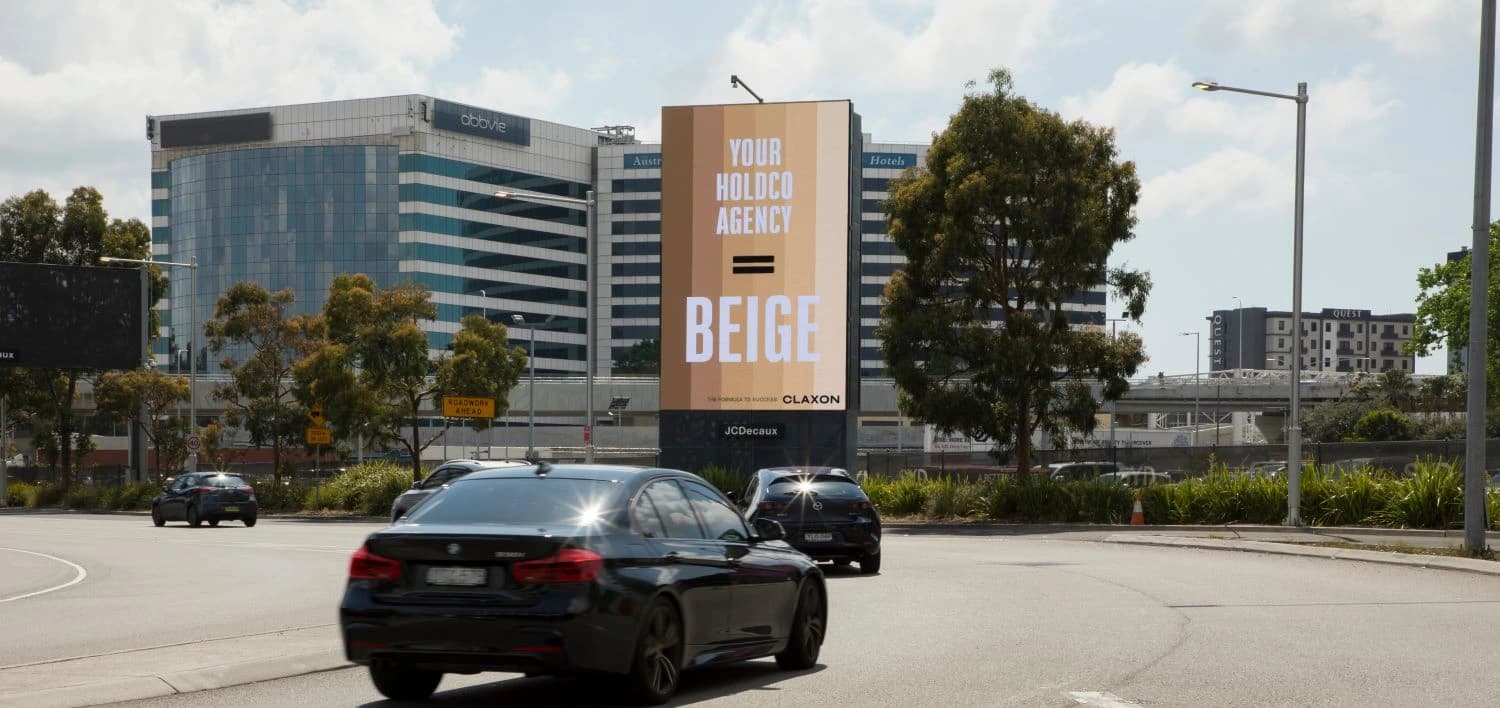
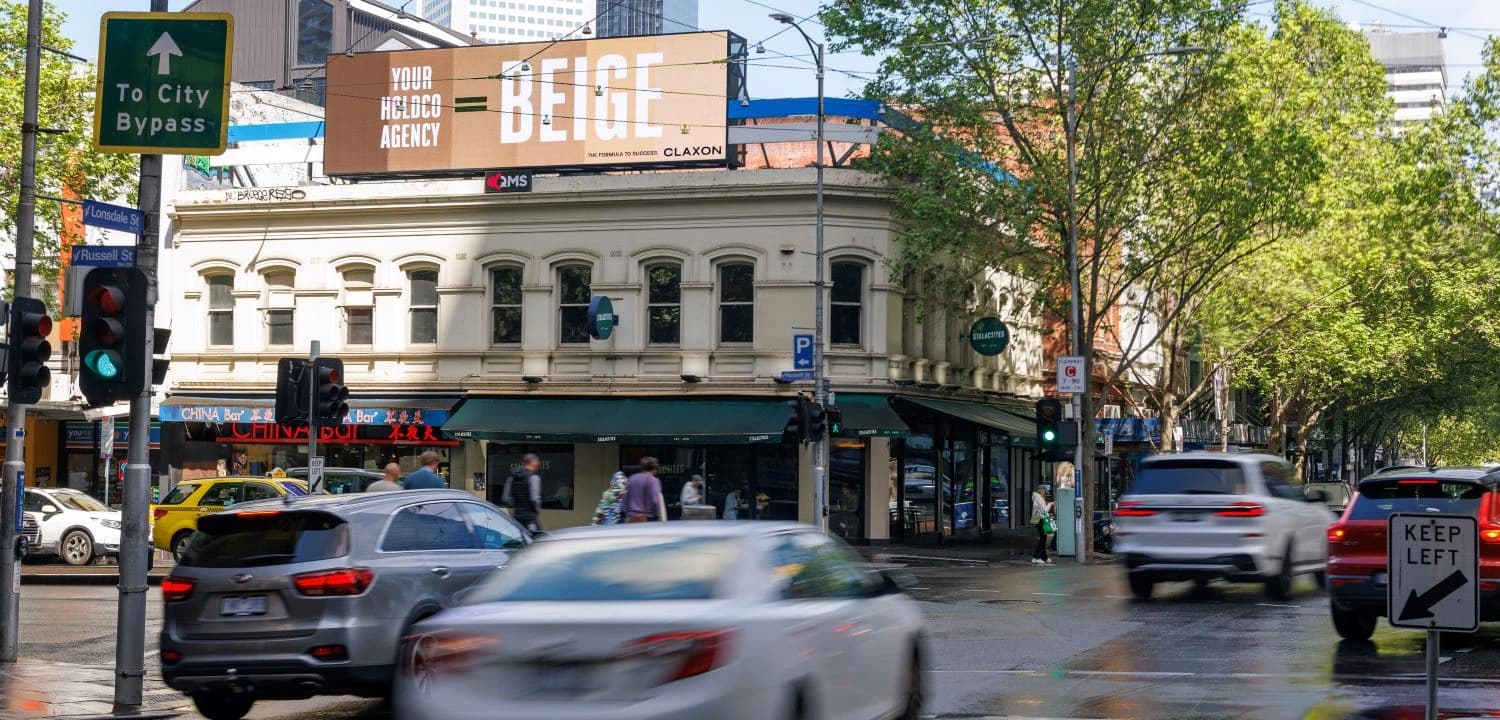
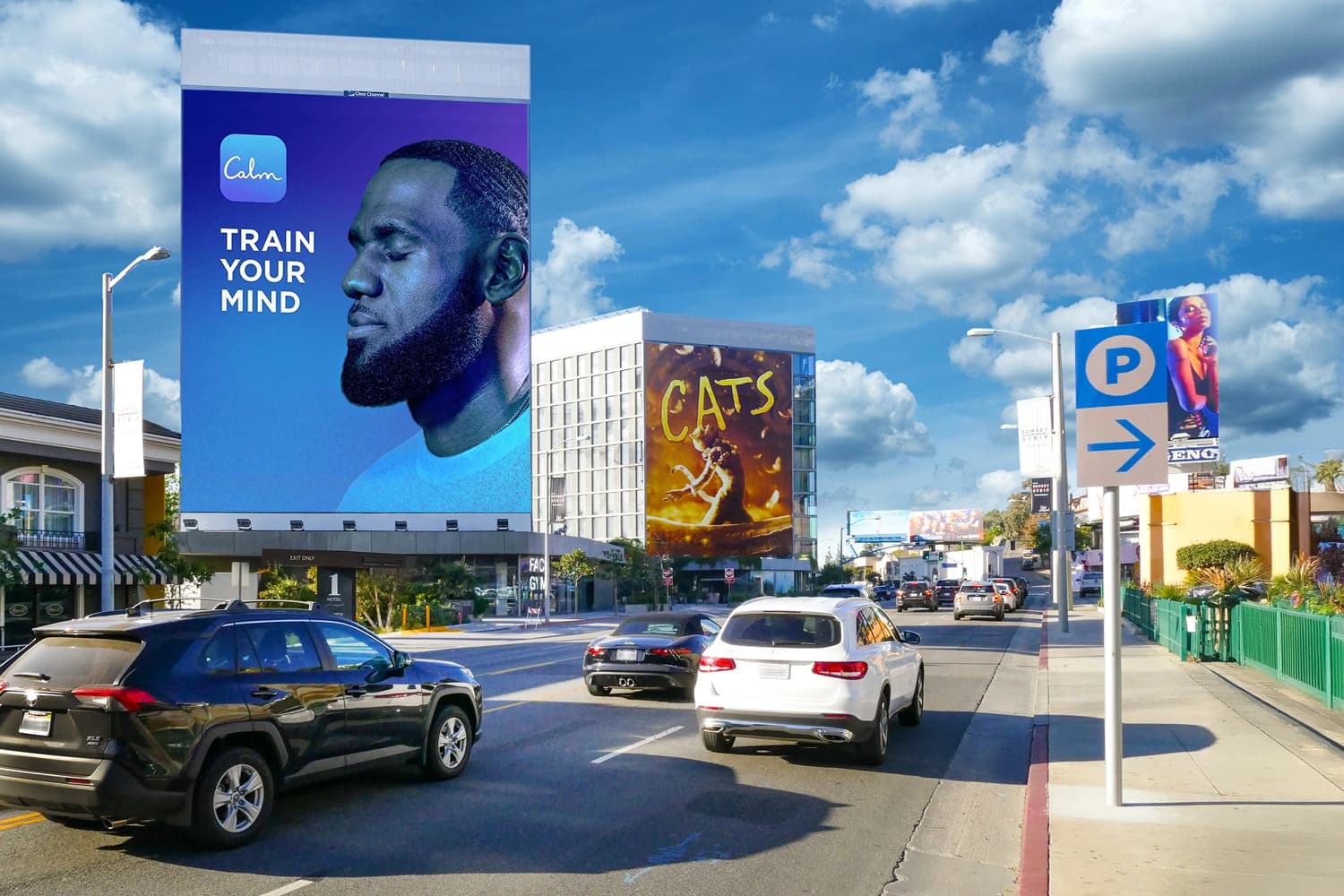
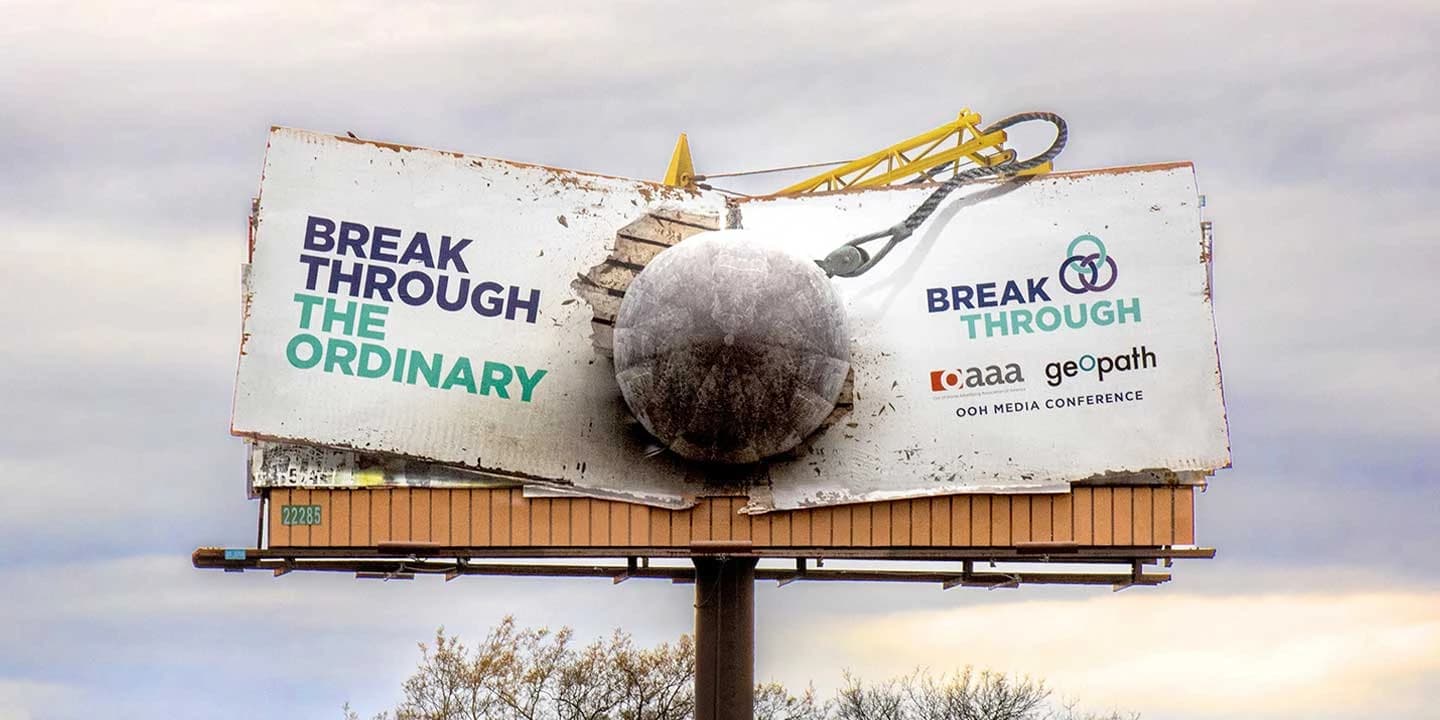
The billboard wars are over. The independents won.
Not by buying more media. Not by negotiating better CPMs. By treating outdoor advertising as their creative portfolio instead of their media plan. While holding company agencies relegate OOH to spreadsheet line items, independents are using billboards, transit wraps, and digital displays as low-barrier proof of big ideas. The work gets built, gets seen, gets photographed, gets shared. No Super Bowl budget required. No 18-month production timeline. No holding company approval chains. Just the idea, the street, and the camera phone that turns it into a case study.
The search volume tells the first part of the story. "Creative expression" pulls 2,900 monthly searches. Zero searches for "independent OOH campaigns." Zero for "DOOH creative agencies." Zero for "outdoor advertising independents." The gap between what people want (creative expression) and what the industry markets (OOH capabilities) explains why independents keep winning pitches with outdoor work in their books. Brands don't hire agencies for outdoor expertise. They hire them for ideas that prove strategic thinking in public space.
The holding companies missed this. They optimized for media buying efficiency while independents optimized for creative demonstration. The result: outdoor became the canvas where small shops showcase big thinking without needing big budgets to do it.
The Low-Barrier Showcase Effect
OOH costs a fraction of broadcast production. A single billboard in a major market runs $2,000-15,000 for four weeks. A transit wrap costs $5,000-20,000 depending on the fleet. Compare that to a :30 TV spot at $200,000-2M for production alone, before media spend. Compare it to a Super Bowl ad at $7M for 30 seconds of airtime, plus production costs that routinely hit eight figures for the marquee work.
The math creates the opportunity. An independent agency can concept, produce, and place outdoor work for the cost of a mid-level hire's quarterly salary. The work goes live in weeks instead of months. It gets photographed by commuters, shared on Instagram, picked up by design blogs, added to the portfolio. By the time the holding company's TV spot clears legal review, the indie shop's billboard campaign has been seen by 500,000 people and featured in three industry roundups.
This is not about outdoor replacing broadcast. This is about outdoor providing the fastest path from idea to public execution. The barrier to entry collapsed. The barrier to distribution collapsed with it. Every smartphone is a documentation device. Every commuter is a potential amplifier. The work doesn't need a media budget to get seen anymore. It needs to be worth photographing.
Outdoor became the most efficient way for independents to demonstrate creative range without client budget or client approval. Spec work used to mean dead portfolios gathering dust. Now it means billboards that run in real markets, generate real impressions, and prove the agency can execute at scale. The client sees proof of concept in public space instead of a deck.
When The Work Becomes The Portfolio
The traditional agency portfolio follows a predictable structure: case studies organized by medium, arranged by recency, filtered by what the legal team will allow you to show. The work exists in PDFs and password-protected websites. It gets presented in conference rooms. It requires the client to imagine what execution might look like.
Outdoor work skips that step. The execution IS the portfolio piece. The billboard that stopped traffic becomes the proof point in the pitch. The transit wrap that went viral becomes the opening slide. The digital display that generated 2M organic impressions becomes the evidence that this shop understands attention in crowded spaces.
This matters because CMOs increasingly hire based on demonstrated creative thinking, not stated capabilities. The RFP might ask about social media expertise or digital fluency or brand strategy credentials. The decision gets made when they see work that proves the agency can turn an insight into an idea that people actually notice. Outdoor provides that proof faster and cheaper than any other medium.
The holdcos haven't caught up because their incentive structure doesn't reward this behavior. Media agencies get compensated on media spend. Creative agencies get compensated on production budgets. Outdoor as creative expression generates neither at meaningful scale. The independent agency's incentive structure is simpler: win the pitch. If outdoor work in the book helps close business, outdoor work gets made. If it needs to run as spec to prove the concept, it runs as spec. No holding company procurement process. No margin analysis. Just: does this help us win?
The answer keeps coming back yes. Agencies report outdoor work in their portfolios converting at higher rates in new business pitches than digital case studies or social campaigns. The reason: outdoor proves you can distill strategy to a single visual idea that works at highway speed. That compression discipline translates to every other medium. If you can make a billboard work, you can make a tweet work. If you can stop traffic with a transit wrap, you can stop a scroll with a TikTok. The client sees the outdoor work and understands: this shop knows how to edit.
The Paradox of Permanence in Ephemeral Media
Outdoor advertising is definitionally temporary. Four-week media buys. Rolling transit inventory. Digital displays that cycle every 15 seconds. The work appears and disappears according to contract terms and media schedules. But the documentation is permanent.
A billboard photographed by a commuter lives forever on Instagram. A transit wrap featured in a design blog becomes a permanent portfolio piece. A DOOH execution captured on video gets embedded in pitch decks for years. The temporary media placement creates the permanent creative artifact. The independents figured this out before the holdcos did.
This is why outdoor became the preferred showcase medium. The work doesn't need to run for months to prove its value. It needs to run long enough to get documented. Four weeks gives you 28 days of potential photography. A single strong image of the work in context becomes more valuable than six months of media delivery. The documentation outlives the placement by years.
The holdcos still optimize for GRPs and frequency and reach. The independents optimize for shareability and documentation value and portfolio strength. Both approaches generate impressions. Only one approach generates new business.
The evidence appears in pitch feedback and client debriefs. Agencies with outdoor work in their books report clients specifically calling out those executions as decision factors. Not because the clients need outdoor advertising. Because the outdoor work proved the agency could take a complex strategic challenge and reduce it to a single compelling visual. That reduction skill matters in every brief. Outdoor just happens to be the most efficient way to demonstrate it.
What Programmatic DOOH Actually Unlocked
Digital out-of-home changed the cost structure again. Static billboards require printing and installation and removal. Digital displays require creative files and upload schedules. The production costs dropped by 60-80%. The lead times dropped from weeks to days.
More importantly: DOOH enabled testing and iteration at speeds outdoor advertising never allowed before. An independent agency can now run five creative variations across a DOOH network, track performance by location and time of day, optimize creative based on engagement data, and have the refined execution in market within a week. The medium became responsive. The strategy became iterative. The cost barrier collapsed entirely.
Programmatic DOOH turned outdoor into a performance medium. Independents used it as a creative laboratory. The holding company DOOH strategies focus on audience targeting and dayparting and location optimization. The independent DOOH strategies focus on creative experimentation and rapid testing and portfolio development. Same medium. Different strategic application. Different outcomes.
The portfolio benefit compounds. An agency that can show a client "we tested eight creative concepts in DOOH, identified the top performer in week one, scaled it to the full network in week two" demonstrates more strategic sophistication than an agency showing a single static outdoor execution. The medium became proof of iterative creative process, not just proof of creative output. The client doesn't just see a good billboard. They see an agency that knows how to test its way to a good billboard.
Zero search volume for "programmatic DOOH agencies" suggests the market hasn't caught up to this application yet. The agencies using programmatic DOOH for creative testing and portfolio development are still ahead of the search behavior. That gap will close. When it does, the independents who've been building case studies in this space will own the positioning.
The Client Budget Paradox
In the pitch: the client sees outdoor work in the indie agency's portfolio. The client doesn't have an outdoor brief. The client doesn't allocate outdoor budget. The client hires the agency anyway. Not for outdoor expertise. For the creative thinking the outdoor work proved.
This is the paradox holding companies can't solve. Their business model requires matching capabilities to client needs. The client says "we need social media support" and the holdco pitches its social media credentials. The independent agency shows outdoor work that proves creative excellence and wins the social media business. The client hired the thinking, not the medium expertise.
The outdoor work functions as creative shorthand. It signals: this agency can take a strategic insight, distill it to its essential truth, and execute it as a public-facing idea that works without explanation. Those skills apply to every brief. The outdoor portfolio becomes a proxy for creative capability across all media.
The numbers back this up, though not in traditional measurement frameworks. Agencies don't track "outdoor work in portfolio led to social media retainer" as a conversion metric. But pitch win analysis tells the story. Independents with strong outdoor portfolios report higher new business conversion rates than independents without outdoor work, even when the client briefs don't include outdoor requirements. The correlation is clear even if the causation is hard to quantify.
Treat outdoor as creative credentialing, not media specialization. Build the work. Document the work. Show the work in every pitch regardless of the brief. Let the creative quality speak to capability. The medium becomes proof of principle, not proof of outdoor expertise.
Where The Trend Is Heading
Three directions are emerging. First: experiential OOH is replacing traditional out-of-home in independent agency portfolios. Static billboards give way to 3D installations. Print posters give way to interactive displays. The documentation value increases because the work is more shareable. An interesting billboard gets photographed. An experiential installation gets filmed, shared, and covered. The content multiplier effect favors dimensional work.
Second: transit advertising is becoming the preferred canvas for independents in dense urban markets. Transit wraps generate mobile impressions across the entire city instead of fixed impressions at a single location. The work travels through business districts, residential neighborhoods, cultural centers, and transit hubs. The exposure diversity increases documentation opportunities. A billboard gets photographed by people who drive past it. A transit wrap gets photographed by everyone who sees it during its daily route across the city.
Third: 3D drone show advertising is emerging as the next frontier. Zero searches for the term yet, but the technology is scaling fast. The production costs are dropping. The wow factor is unmatched. An independent agency that can show a client a choreographed drone show execution demonstrates technical ambition and creative vision in a single case study. The barrier to entry is still high enough to create competitive differentiation. That window will close as the technology commodifies. The agencies building drone show work into their portfolios now will own the positioning when the search volume catches up.
The through-line across all three trends: outdoor is moving from paid media placement to creative spectacle. The independents are driving that shift because their business model rewards creative impact over media efficiency. The holding companies will eventually follow. They always do. But the independents who established outdoor as their creative canvas won't lose that positioning when the large shops catch up. The client relationships will already be won. The portfolio proof will already exist. The new business conversion engine will already be running.
The Real Value: Speed to Demonstrated Excellence
This is what the holding companies can't replicate: the distance from idea to executed public work. An independent agency conceives an outdoor campaign on Monday. They present it to the internal team Tuesday. They get client approval (or decide to run it as spec) Wednesday. Production starts Thursday. The work is in market the following week. The documentation is in the portfolio three days later. The case study is in the next pitch deck that Friday.
The holding company timeline for the same work: conceive Monday. Internal review Tuesday through Thursday. Client presentation the following Monday. Approval and revisions through end of week two. Legal review week three. Procurement process week four. Production planning week five. Creative production weeks six through eight. Media planning and buying week nine. Installation week ten. The work appears in market 70 days after concept. It gets added to the portfolio after the mandatory client approval waiting period. The case study is ready for pitch use four months after the idea was conceived.
The independent agency pitched with that work and won new business before the holding company's version even ran. Speed wins. Speed to market, speed to portfolio, speed to new business application. Outdoor provides the fastest path for independents to move from creative thinking to demonstrated execution. That's why it became their canvas. Not because outdoor is the most important medium. Because outdoor is the fastest way to prove you can make important work.
The search behavior will eventually catch up to this reality. "Creative expression" at 2,900 monthly searches will spawn more specific queries: "agencies using outdoor for creative portfolio," "independent billboard creative," "OOH as creative showcase." Those searches will find this article. They'll find agencies who figured out that the billboard isn't the destination. The billboard is the proof. The proof wins the pitch. The pitch wins the retainer. The retainer funds more billboards. The cycle compounds.
The independents already understand this. The holding companies are still trying to optimize their media buying. The gap between those two approaches is why outdoor became the canvas for independent creative expression. And why that canvas keeps winning new business.
Free Agency Media Editorial
All news