Brooks Running Made an AI-Native Ad. The Silence Was the Story
Brooks Running quietly handed brand-film work to an AI-native studio with 160 views and no press. That silence tells us more about advertising's future than any trade headline could.
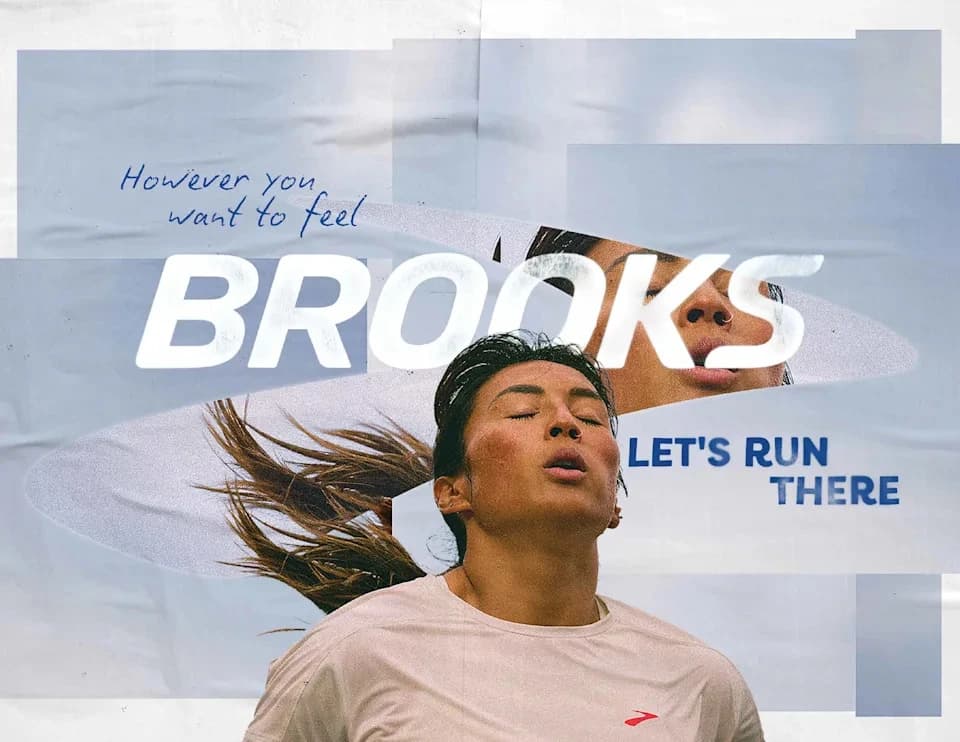
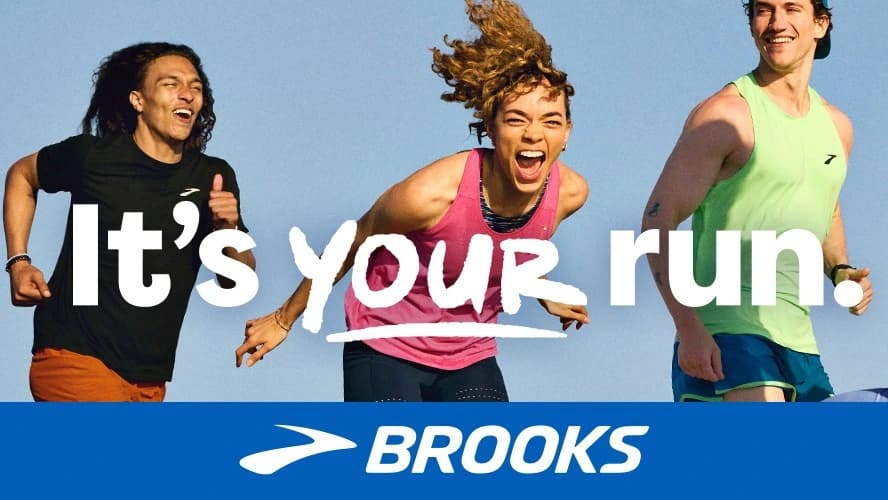
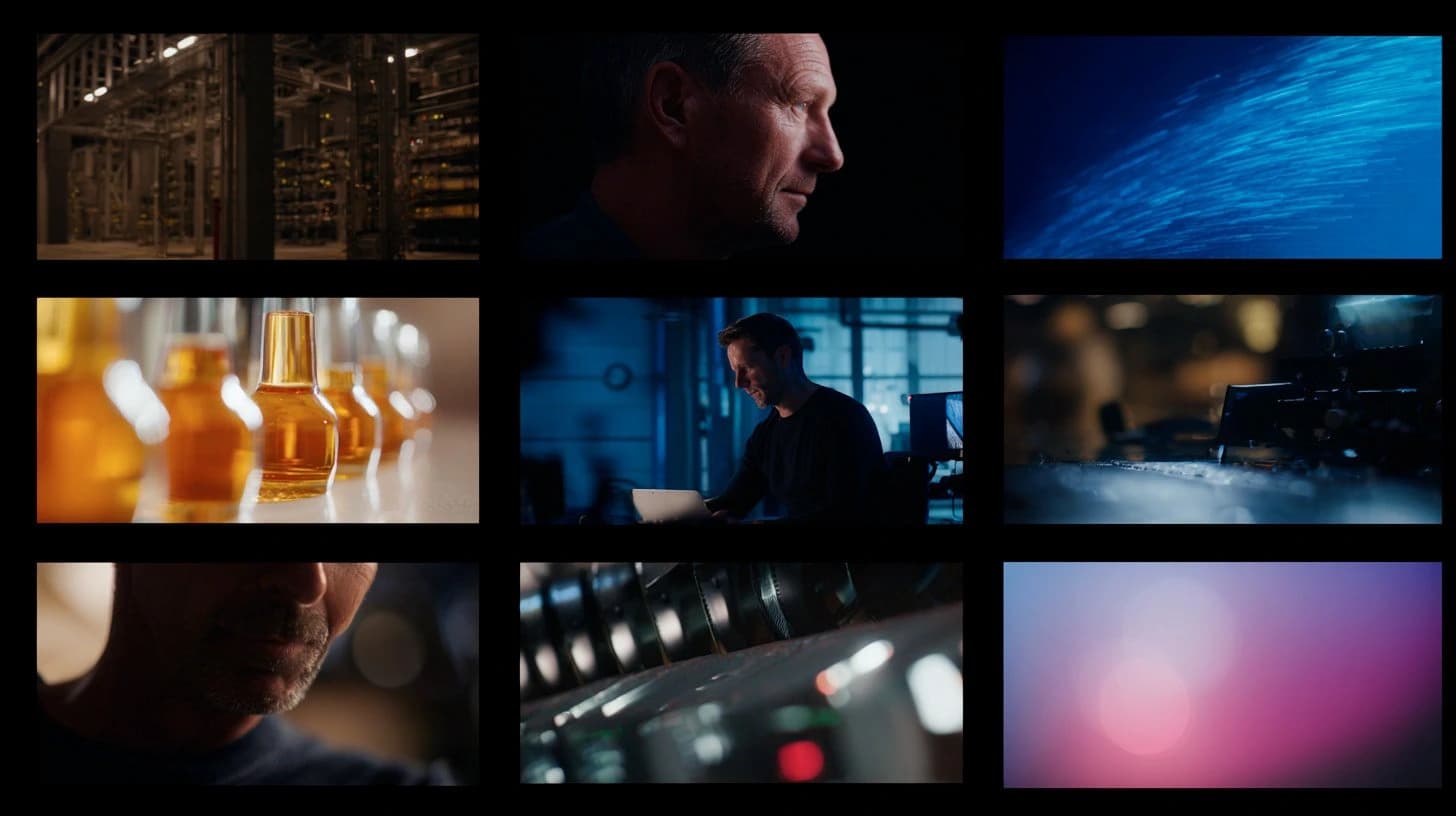
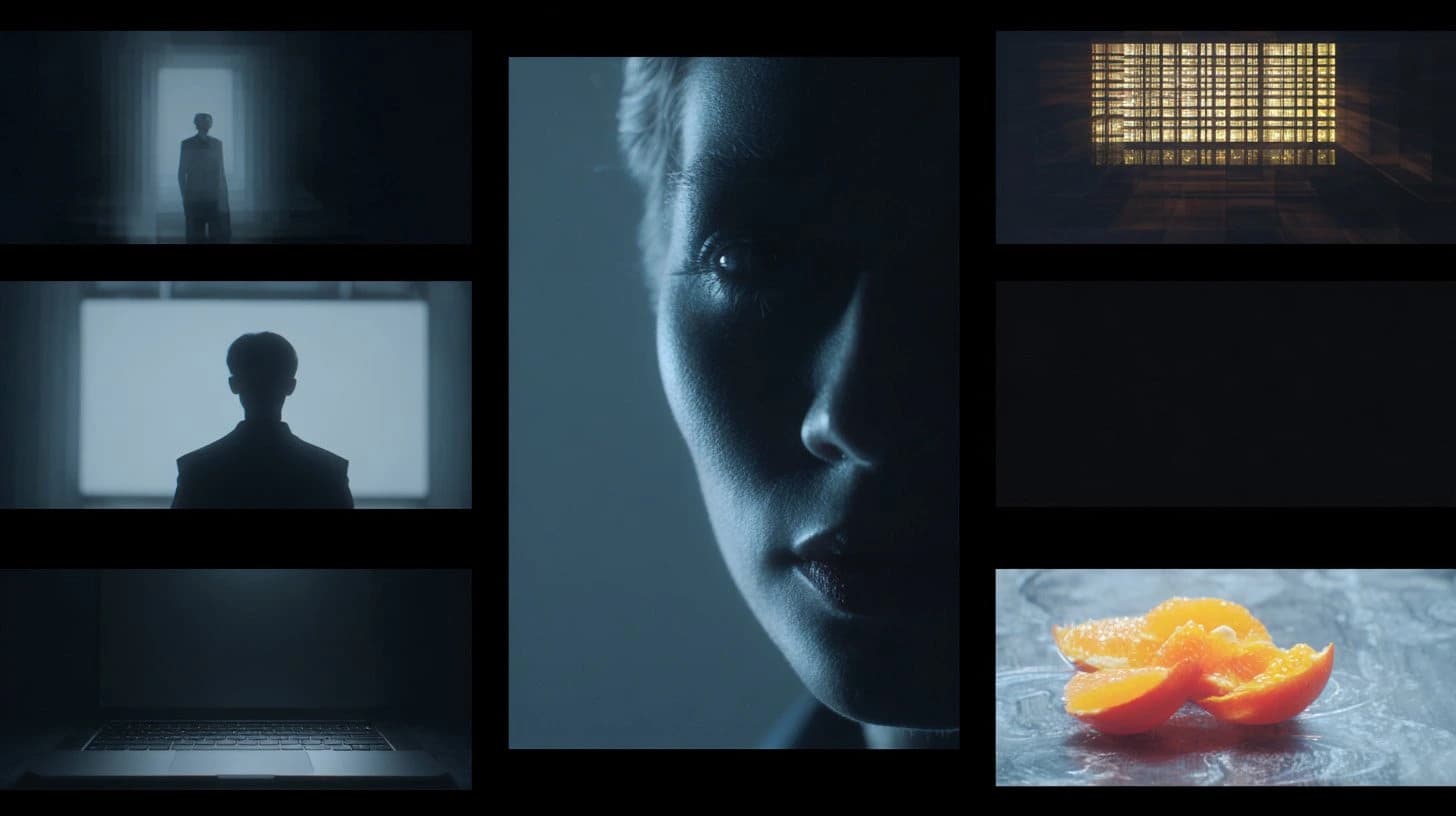
A Fortune 500 running brand just handed brand-film work to a studio with 160 Twitter views and zero press coverage. Nobody noticed. That's the story.
Brooks Running, the Seattle-based footwear company that owns roughly $1.2 billion in category-leading sales in performance running shoes, tapped Daydrm, an AI-native brand-film studio, to produce work built on AI ideation, AI-generated video, and human finishing. The studio posted about it. The internet shrugged. And that shrug is more revealing than any trade headline would have been.
Zero Search Volume, One Self-Published Case Study
Start with the numbers, because the numbers are the story before a single frame of the work gets discussed.
Search volume for "brooks shoes agency," "brooks shoes campaign," and the broader cluster tracking this relationship sits at zero. Not low. Zero. Nobody is typing these words into Google. Compare that to the eight organic results currently ranking for "brooks shoes," every single one of them a retailer: brooksrunning.com, REI, Shoe Station, Fleet Feet, a YouTube shoe-doctor review, Amazon, Rack Room Shoes, Academy Sports. Eight results, zero agencies, zero campaign coverage, zero trade press among them.
That's not an oversight. That's the actual state of the record. When a holding company shop lands a Fortune 500 account, AdAge writes it up within 48 hours, LinkedIn lights up with congratulatory posts from account directors who weren't even on the pitch, and the trade press cycle runs for a week. When Daydrm produced work for Brooks, the entire public record consists of two tweets from Daydrm's own account, @DaydrmAi.
The first, posted May 4, 2026, shared a Brooks film concept called "Morning After," credited explicitly as an idea generated by "Daydrm AI's Brand Film generator," with the video itself produced by a tool called Seedance 2. It pulled 2 likes, 51 views, 1 repost, and 2 replies that don't even appear to be about the campaign at all. They read like generic engagement bait from accounts that reply to everything with a certain hashtag attached, the kind of noise that follows any post with enough visibility to register as a target.
The second tweet, posted three days later, showed a behind-the-scenes breakdown of the finishing process: the AI-generated footage before human editors touched it, then the graded, sound-designed version that presumably shipped. That post did marginally better. 109 views, 4 likes, no replies. Combined, the two posts that constitute the entire documented record of a Fortune 500 brand-film production sit at 160 views. A mid-tier local news anchor's vacation photo gets more engagement than that.
No press release. No case study on Brooks' own site. No mention on Daydrm's website beyond the tweets themselves. No trade press pickup, not from AdAge, not from Adweek, not from The Drum, not from Muse by Clio, not from a single outlet that exists specifically to cover exactly this kind of story. If an AI studio landing a nine-figure running brand isn't news, what exactly does it take to be news anymore in this industry? Or, more precisely: what does it mean that the industry's attention apparatus simply didn't fire?
The Machine That Didn't Turn On
Here's what usually happens. An agency wins a piece of business from a recognizable brand. Someone on the account team posts about it, tagged, hashtagged, with a graphic. The agency's new business lead reposts it. A few former employees who've moved on to competitors like it anyway, because the industry is small and everyone eventually works with everyone. A trade reporter, working a beat that depends on precisely this kind of movement, writes a 300-word item confirming the relationship, sometimes with a quote from a CMO about "exciting new creative territory." The whole apparatus exists because advertising, as an industry, runs on being seen to win, not just winning.
None of that apparatus turned on here. And the simplest explanation isn't that the work was bad, or that Brooks tried to hide it. The simplest explanation is that nobody in that apparatus was watching this particular door, because the apparatus was built to monitor holding companies, independent shops, and the recognizable names that have always mattered to trade press. Daydrm isn't a name yet. It's a studio operating in a category that doesn't have a beat reporter, a category that barely has a name people agree on: AI-native production, synthetic filmmaking, machine-assisted brand content, take your pick. The infrastructure that turns a business win into a story simply doesn't extend into this space, not because the story doesn't matter, but because the machinery hasn't caught up to where the actual work is happening.
That's the gap worth sitting with. Not "did Brooks make a mistake," but "how much of the next five years of production is going to happen exactly like this, in rooms nobody's covering, announced in tweets nobody reads, discovered only retroactively once enough of it has piled up that someone has to write the trend piece"?
What "AI Ideation, AI Video, Human Finishing" Actually Means
It's worth being precise about what Daydrm is claiming to have done, because the workflow itself is the more interesting story than the engagement numbers.
"AI ideation" means the creative concept, the actual idea for "Morning After," the strategic insight and the narrative structure around it, originated from a generative tool rather than a creative director staring at a whiteboard with a strategist. That's a meaningfully different claim than "we used AI to help storyboard an idea a human already had." It's closer to: the machine proposed the concept, and humans selected, refined, and shipped it.
"AI-generated video" means the actual footage, the images that end up on screen, came from a generation model (Seedance 2, per Daydrm's own post) rather than a camera on a set with actors, a director, a DP, and the dozens of crew members that a traditional brand film requires. No location scout. No casting call. No shoot day. No insurance certificate for a stunt runner jogging past a sunrise. The entire physical production apparatus that a brand film has required for the better part of a century, gone, replaced by prompts and iterations inside a generation tool.
"Human finishing" is the caveat that keeps this from being a fully autonomous pipeline: editors, colorists, sound designers, and presumably someone doing brand-safety and quality review, took the raw generated output and turned it into something that could carry the Brooks name into the world. That's the seam where human craft still lives in this workflow, at the assembly and polish stage rather than the origination and capture stage. It's a meaningfully smaller footprint than a traditional production, but it's not nothing, and it's worth naming plainly rather than either dismissing it as automation-washing or inflating it into an "AI made this alone" narrative that isn't accurate either.
Put together, this is a brand film made without a soundstage, without a casting director, and without an agency of record in the traditional sense, produced by a studio that, as far as the public record shows, has approximately 160 views' worth of an audience. And it shipped for one of the biggest running shoe companies on the planet.
Why the Shrug Matters More Than the Work
Set aside, for a moment, whether "Morning After" is any good. Set aside whether Seedance 2 produces footage indistinguishable from something shot on an ARRI, or whether it still has the telltale uncanny wobble that AI video sometimes carries in hands, water, or fabric under movement. The quality of this specific execution is a real question, but it's not the most important one, because the quality question gets answered anyway, repeatedly, by every subsequent piece of work these tools touch. The important question is about the incentive structure this silence reveals.
If a Fortune 500 brand can commission work like this, ship it, and generate essentially zero public accountability, positive or negative, then the calculus for every CMO watching this from the sidelines changes. The traditional risk of trying something unconventional in advertising has always been reputational: if the campaign flops, or if it looks cheap, or if it draws backlash for using AI in a way that reads as lazy or disrespectful to craft, that failure is visible, quotable, and attached to your name in a trade press cycle that doesn't forget. That risk has historically kept a lot of brands conservative about experimenting with unproven production methods, because the downside was public and the upside, incremental cost savings and slightly faster turnaround, wasn't dramatic enough to offset the exposure.
Brooks just demonstrated that the downside, in this specific case, was also silence. No backlash. No "Brooks Running slammed for lazy AI ad" headline. No influencer callout campaign about jobs lost to machines. No pickup at all. Just 160 views and a shrug. If that pattern holds, and there is no obvious reason to think this instance is uniquely lucky rather than representative, then the actual risk calculation for brands considering AI-native production just dropped substantially. Not because the work is guaranteed to be good, but because the audience that used to punish misfires with visibility isn't watching this category yet.
That's a bigger deal than one running shoe commercial. That's a signal about the conditions under which an entire production model can scale before anyone with the institutional standing to slow it down, or scrutinize it, or set standards for it, even notices it's happening.
The Agencies Not in the Room
There's a version of this story that's about jobs, and it's worth being honest about it rather than dancing around it. A traditional brand film at this budget tier involves a production company, a director, a DP, a full crew, a casting agency, a location team, an editorial house, a color house, a sound house, and an agency of record coordinating all of it, often across weeks of pre-production and multiple days of shooting. That's dozens of people, several unionized crafts, and a supply chain of vendors who depend on precisely this kind of commission to stay in business.
The Daydrm version of this replaces most of that chain with a small team operating a generation pipeline and a finishing pass. That's not a hypothetical disruption anymore. That's a documented instance, from a real brand, at real scale, with a real budget behind it, however undisclosed the specifics remain. The fact that it happened without a single trade outlet flagging the labor implications isn't an oversight either. It's the same gap: nobody was watching the door because the door doesn't have a sign on it yet that says "this is where the disruption is actually happening."
The agencies who should be paying the closest attention to this aren't necessarily the big holding company networks, who have the balance sheets and the client relationships to absorb this shift by building or acquiring their own AI-native capabilities, which several of them are already quietly doing. It's the mid-size independent production houses and specialist shops whose entire value proposition has been "we can execute a polished brand film faster and more affordably than a network shop," because that's precisely the value proposition an AI-native studio like Daydrm is now making obsolete at a fraction of the cost and timeline.
The Trade Press Problem, Not Just the Brooks Problem
It's tempting to read this whole episode as a story about Brooks Running being ahead of the curve, or about Daydrm being an underrated studio that deserves more attention. Both of those readings miss the more uncomfortable structural point: the advertising industry's mechanisms for tracking its own change are built for a version of the industry that's disappearing.
Trade press, search volume, LinkedIn buzz, awards show submissions, all of it evolved to monitor an ecosystem of holding companies, independent agencies, and production companies operating within recognizable structures, with recognizable job titles, submitting to recognizable award categories. That ecosystem is not gone, but it is no longer the only place where advertising is actually being made. Work is now also happening inside small, technically fluent studios that don't hire publicists, don't submit to Cannes, and don't need a trade reporter's phone call to close their next deal, because their pipeline runs through Twitter posts, direct client relationships, and word of mouth inside rooms the trade press doesn't have a seat in.
That's not a criticism of Daydrm for not doing more PR. It's an observation that the industry's entire attention economy, the thing that decides what counts as a story worth telling, is increasingly disconnected from where the actual technological and creative change is occurring. The next five years of advertising history risk being written from a data set that systematically undercounts the most important developments, simply because those developments happen in venues the historians aren't checking.
What Comes Next
None of this means AI-native production is about to replace the soundstage entirely, or that every brand film is headed toward a workflow with no camera, no casting call, and no crew. Plenty of work still requires the specificity, texture, and controlled unpredictability that only a real shoot delivers, and plenty of brands will keep paying for that specificity because it's precisely what differentiates their work from a competitor's. But the Brooks and Daydrm pairing establishes something that didn't have a clean, documented precedent before: a recognizable, category-leading brand commissioning a fully AI-assisted brand film from a studio with no meaningful public footprint, and having it register as a non-event.
That non-event is the actual news. Not because it proves AI video has arrived, fully formed, ready to replace every production company in the country tomorrow. It hasn't, and it won't, not on this timeline. But it proves something quieter and more consequential: the industry's watchdogs, its trade press, its search behavior, its LinkedIn commentary class, are not currently positioned to catch this kind of shift as it happens. They'll catch it eventually, in retrospect, once enough Brooks-and-Daydrm-shaped stories have piled up into an unmistakable trend piece. By then, the studios that moved early and quietly will have a two-year head start nobody can easily close.
The lesson for every brand, agency, and production company watching this space isn't "go hire an AI studio tomorrow." It's simpler and more urgent than that: the mechanisms you're relying on to tell you when something in your industry has fundamentally changed are the same mechanisms that just missed this one entirely. Zero search volume. Two tweets. 160 views. That's not a footnote. That's the opening chapter of a story most of the industry hasn't started reading yet, and the ones who start now will be the ones still standing when everyone else finally notices.
Free Agency Media Editorial
All news