Campaign Brief Isn't an Agency. That Mix-Up Reveals a Real Story.
A viral mix-up mistook a trade publication for an agency on a winning streak. The real story is about who actually built the work, and why nobody's tracking it.
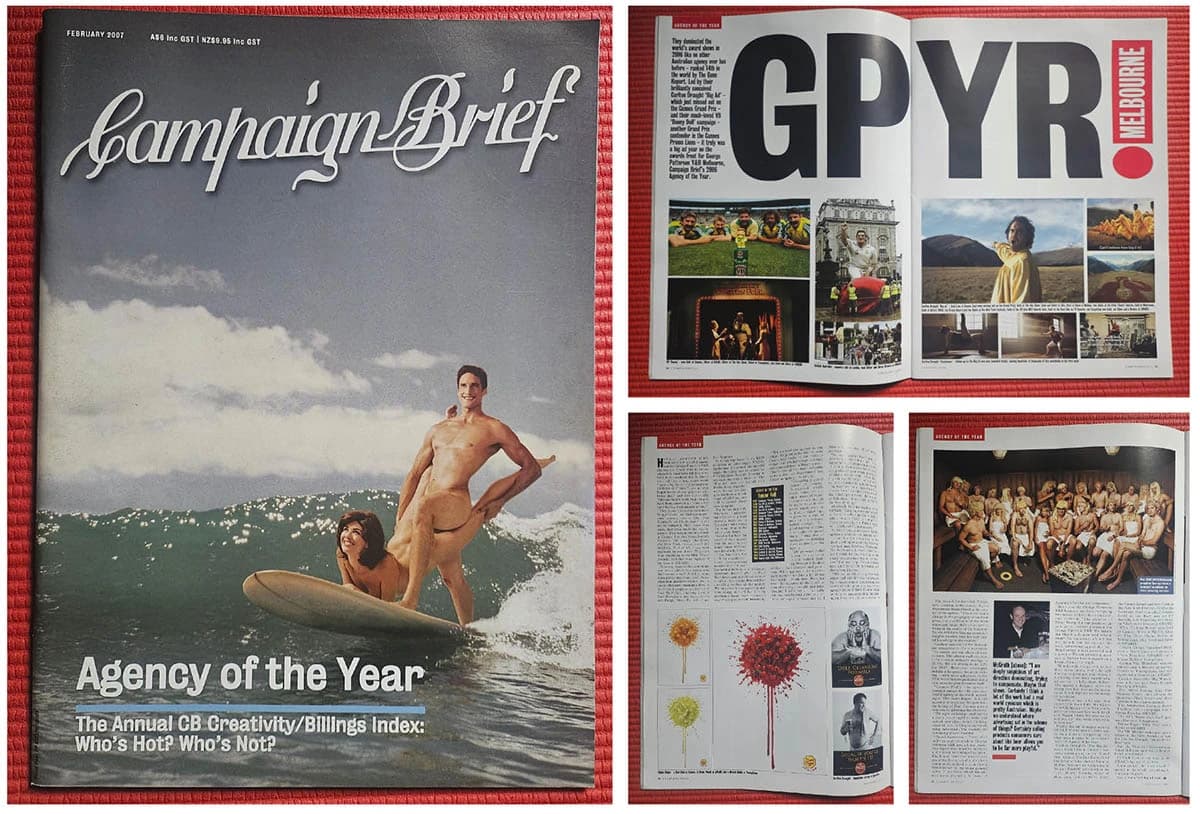
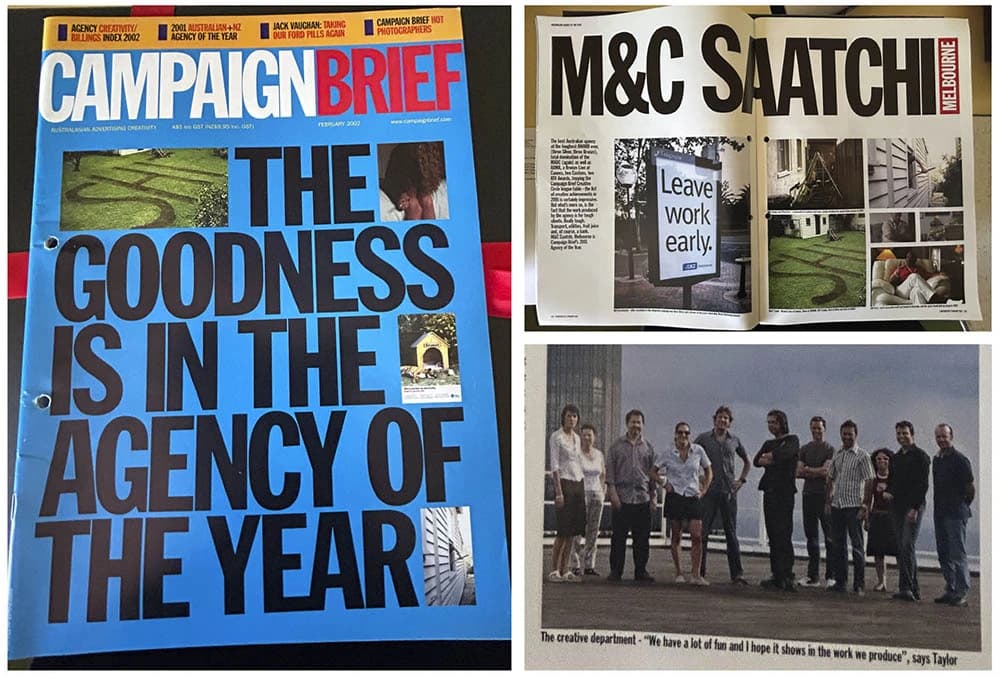
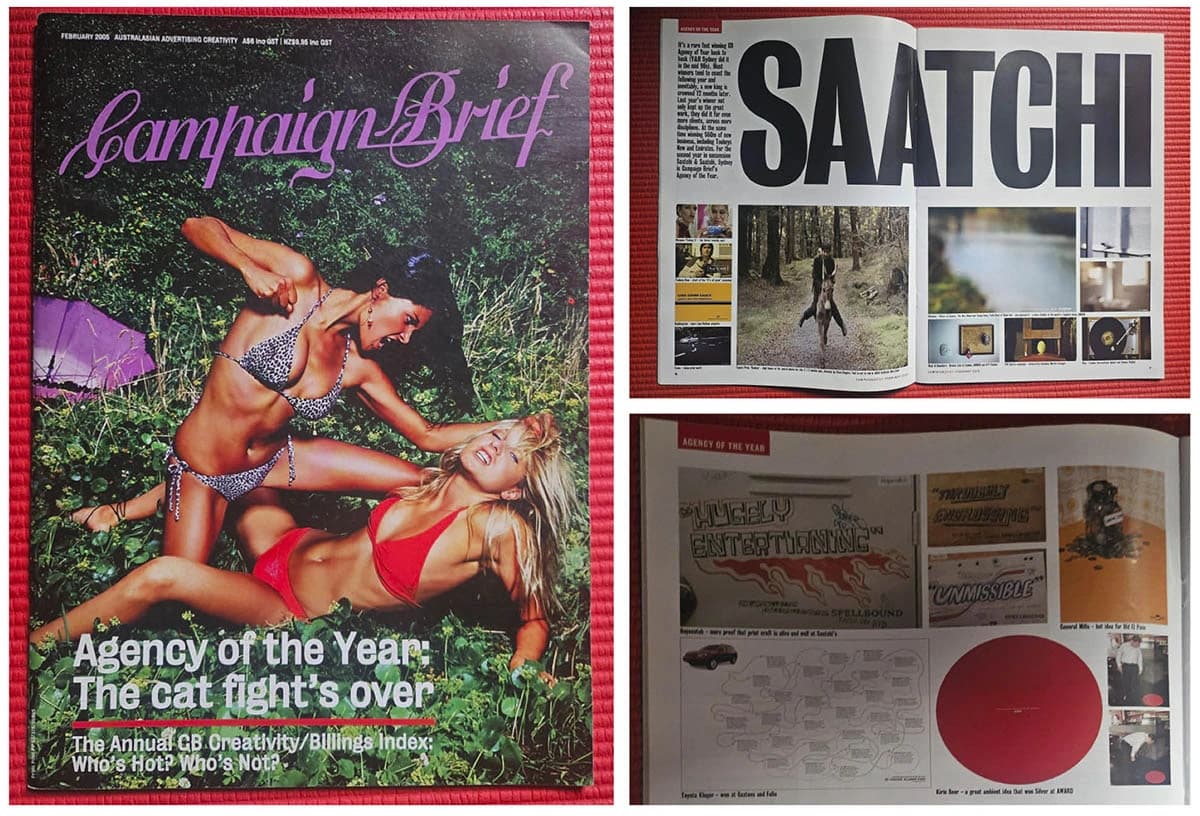
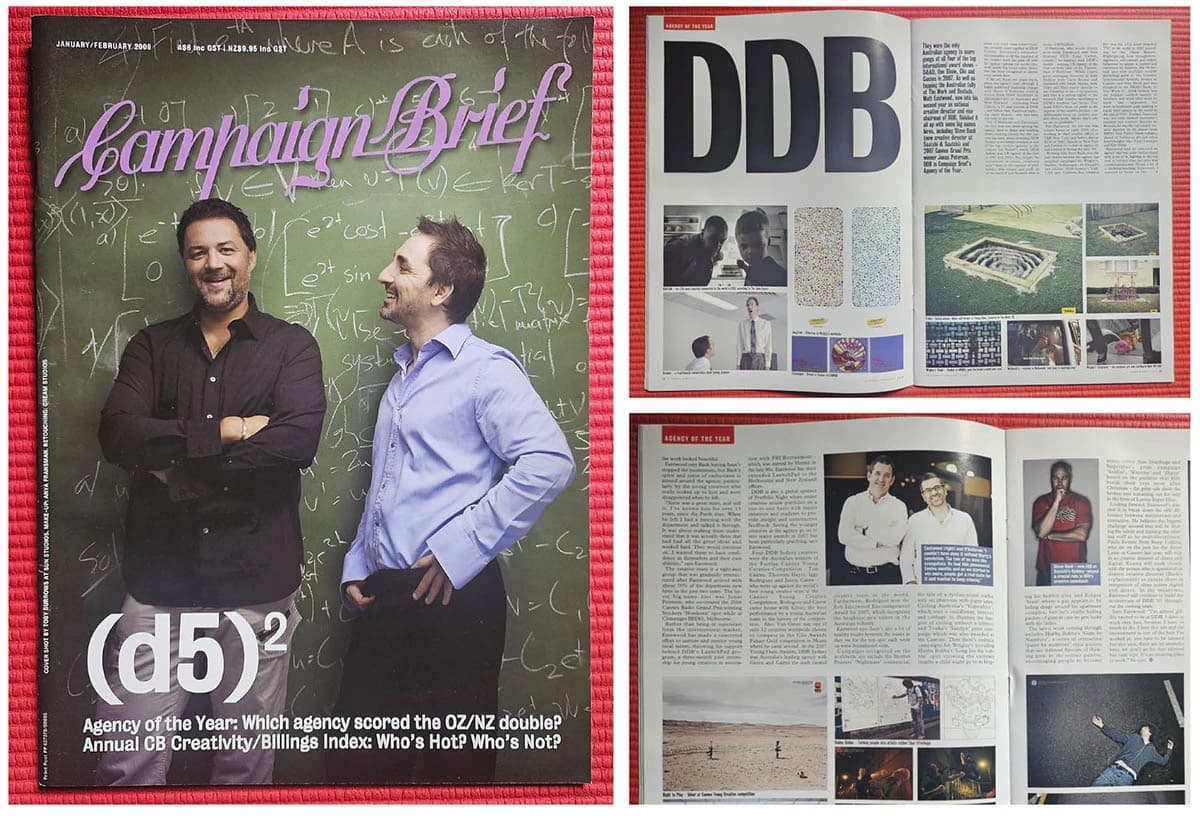
Type "campaign brief" into Google and the first result isn't an agency. It's a magazine.
That single fact unravels an entire premise before it starts. Somewhere in the pitch decks and content briefs of the indie agency world, a story took shape: "Campaign Brief" as an agency riding a win streak, racking up Cathay Pacific, Lite n' Easy, Miele, and Pak'nSave in quick succession. It's a good story. It's also wrong. Campaign Brief is campaignbrief.com, the trade publication covering advertising across Australia, New Zealand, and Asia since before most of today's independent shops had a website. It doesn't make campaigns. It reports on the people who do.
That matters more than a footnote. The real story, the one buried under the misidentification, is about who actually built those four campaigns and what that tells us about how independent work gets attributed, tracked, and credited in a market where the trade press and the talent are two different entities with two different jobs. Untangling that confusion is the piece.
The Search Result That Isn't an Agency
Run the search for "campaign brief" and the pattern is immediate. The homepage of campaignbrief.com sits at position one, describing itself as covering "creative people, creative work and creative news from the advertising Industry in Asia, Australia and New Zealand." Position two is a Medium explainer on writing effective campaign briefs. Positions three through eight cycle through FunctionFox, Mural, Instagram, Reddit, Simple.io, and a studio blog, all teaching marketers how to write the document called a campaign brief. Not one of the eight results names an agency called Campaign Brief, because no such agency exists.
That's the tell. Eight ranking pages, zero agency identities, and a search term that behaves like a generic marketing document query rather than a brand search. Pull the keyword data and the confusion compounds: "campaign brief," "campaign brief agency," "agency momentum," "independent agency growth," and "agency wins" register a combined search volume of zero in the cluster analyzed for this piece. No agencies are actively competing for this keyword space. Nobody has built topical authority here because there's no agency-shaped hole to fill. The demand doesn't exist because the premise doesn't exist.
Most content strategies would stop there, chalk it up to a dead keyword, and move on. That's the wrong instinct. A zero-volume keyword cluster sitting on top of a real publication with real editorial weight in three markets isn't a dead end. It's an unclaimed room. Campaign Brief Asia, Campaign Brief Australia, and Campaign Brief New Zealand carry genuine authority in the region, the kind that shows up in a two-word tweet with single-digit engagement and still carries real weight for the agency being named. The opportunity isn't ranking for "campaign brief." It's understanding what gets covered by campaignbrief.com and why, because that coverage is the actual signal the industry is watching.
What a Real Winning Streak Looks Like
If there's a genuine "winning streak" story hiding in this keyword cluster, it belongs to GIGIL. According to a March 2025 post from @digitalspaceph, GIGIL holds the title of Asia's No. 1 independent agency and is a back-to-back winner of Campaign Brief Asia's Agency of the Year. Back-to-back means two consecutive cycles of a regional trade publication naming the same independent shop its top performer. That's not a press release claim. That's the publication itself, twice, choosing GIGIL over every network-affiliated shop and every other independent competing in the same region.
Two consecutive Agency of the Year titles from a single outlet is a harder signal to fake than one win. A single award can be a strong year, the right jury, a client relationship that peaked at the right moment. Two in a row, from the same publication, in a category where "independent" is doing real evaluative work, starts to look like a pattern the market is tracking on purpose. That's the difference between an agency that got lucky and an agency that built a repeatable engine for producing work worth writing about.
Here's the part that gets missed when people conflate the publication with the agency: Campaign Brief Asia's recognition of GIGIL is exactly the kind of "agency wins" signal the search cluster is trying, unsuccessfully, to capture. Nobody searches "campaign brief agency" hoping to find GIGIL. They should. The publication already did the verification work. It named the winner twice. The gap is that this recognition lives in trade press coverage and a low-engagement tweet, not in a searchable, ownable piece of content that ties GIGIL's name to the win in a way Google can index and readers can find.
That's the actual opportunity buried in a zero-volume keyword cluster: independent agencies with verified, repeated recognition from a regional authority like Campaign Brief Asia are sitting on search equity nobody has claimed. GIGIL earned the title. Nobody has built the content architecture around owning it.
Make Mate and the Weight of a Single Line in a Trade Recap
Contrast GIGIL's back-to-back regional title with Make Mate's appearance in the same coverage ecosystem. A November 2024 post from the official Campaign Brief account noted that Make Mate was the only Australian independent agency recognized at The Wires Global Awards that cycle. One agency, one country, one award category, zero competitors from the same market sharing the recognition.
That's a different shape of win than GIGIL's. GIGIL's signal is repetition: the same publication, the same category, two years running. Make Mate's signal is exclusivity: an entire national market of independent agencies, and Make Mate is the single name that crossed the threshold into a global awards conversation. Both are legitimate forms of momentum. Both get reported the same way, in a short trade post with minimal engagement, and both disappear from the conversation within days because nobody builds the follow-up content that explains why the win matters.
This is the pattern across the entire cluster of posts referencing Campaign Brief's coverage of independent agencies: real recognition, thin distribution. The Wires Global Awards note about Make Mate. The GIGIL back-to-back title. Mentions of Claxon and Five by Five Global tied to leadership moves and merger activity. Each one is a legitimate data point about where independent agency momentum is concentrating in the ANZ and Asia markets. None of them get the narrative treatment that would let an outside reader, an American CMO, a European holding company executive, a curious competitor, understand what's actually happening. The information exists. The story doesn't.
The Four Campaigns Nobody Has Actually Attributed
This brings the conversation back to Cathay Pacific, Lite n' Easy, Miele, and Pak'nSave. If those four names surfaced together under a "Campaign Brief" banner, the most likely explanation isn't that one independent agency produced all four. It's that campaignbrief.com covered four separate campaigns from four separate clients, created by four separate agencies, in the ordinary course of trade reporting on work running across Australia and New Zealand. An airline, a meal delivery service, a home appliance brand, and a supermarket chain don't typically share a single creative shop unless that shop has an unusually broad category footprint, and no agency data available confirms that here.
That's not a failure of the story. It's the actual story, and it's more interesting than the false premise it replaced. Somewhere in the Australian and New Zealand market, four separate creative teams built four separate campaigns strong enough that a regional trade publication with editorial standards decided they were worth covering. That's four data points about which shops are producing brief-worthy work right now, not one agency's win streak. The task facing anyone reporting this properly isn't to profile a nonexistent shop called Campaign Brief. It's to identify, agency by agency, who actually made the Cathay Pacific work, who made Lite n' Easy's campaign, who's behind Miele's push, and who built Pak'nSave's latest run. That's real reporting, and it hasn't happened yet.
This is precisely the kind of gap Free Agency Media exists to close. A verified directory entry means something different from a name mentioned in passing in a trade recap. It means confirming which agency built which campaign, checking headcount and client relationships against public record, and refusing to publish a claim of independence or authorship that can't be substantiated. Until that verification work happens on these four campaigns specifically, the responsible move is to say plainly: we don't know yet which agencies made them, and neither does anyone repeating the "Campaign Brief agency" framing without checking.
Why the Confusion Itself Is the Signal Worth Reporting
Step back from the four unattributed campaigns and a bigger pattern comes into focus. A zero-search-volume keyword cluster. A publication mistaken for an agency. Real, verified wins for GIGIL and Make Mate buried in low-engagement social posts. Mentions of Claxon and Five by Five Global tied to consolidation activity rather than campaign wins. Four high-profile client campaigns floating without clear agency attribution. None of these facts individually breaks new ground. Stacked together, they describe an industry where independent agency wins are happening constantly, and the infrastructure for tracking and crediting them is nowhere close to catching up.
That gap is the actual "independent agency growth" story, more so than any single shop's trajectory. GIGIL's two consecutive Agency of the Year titles from Campaign Brief Asia should be a searchable, citable, easily found fact. Instead it lives in a tweet from a regional account with single-digit engagement. Make Mate's status as the only Australian independent at The Wires Global Awards should be part of a running record of which markets are producing globally recognized independent work. Instead it's a one-line trade note that scrolled past most feeds within a day. The wins are real. The recordkeeping is thin.
This is also why the "campaign brief independent" search term sits at zero volume: nobody has needed to search for it yet, because nobody has built the definitive resource that would make searching for it worthwhile. That's not evidence the topic doesn't matter. It's evidence the topic hasn't been served. A trade publication naming the same independent agency Asia's best two years running is exactly the kind of verified signal that should anchor a directory entry, inform a client's shortlist, and shape how the industry talks about where the best work in the region is actually coming from. Right now it's a footnote in a feed nobody scrolls back through.
The instinct to treat "Campaign Brief" as an agency on a winning streak wasn't a wild leap. It came from a reasonable place: the publication's name shows up next to agency wins so often that the line between the outlet and the outcome blurred. That blur is worth naming precisely because it reveals how little structured attribution exists for independent agency wins across Asia, Australia, and New Zealand. GIGIL's back-to-back title, Make Mate's Wires Global recognition, and whatever agencies actually built the Cathay Pacific, Lite n' Easy, Miele, and Pak'nSave campaigns are all part of the same underreported category: independent work that wins, gets a trade mention, and then vanishes from the record until someone does the work of connecting the dots.
Where the Real Story Goes From Here
The corrected version of this piece isn't smaller than the original premise. It's bigger. Instead of one agency on a winning streak, the market shows a distributed pattern of independent wins across at least four named shops: GIGIL, Make Mate, Claxon, and Five by Five Global, each surfacing through a trade publication that's been quietly tracking independent momentum across three markets for years without anyone outside the region treating that record as the resource it actually is.
The next move is straightforward and unglamorous: identify the agencies behind Cathay Pacific, Lite n' Easy, Miele, and Pak'nSave specifically, verify those relationships against public record rather than assumption, and add them to a structure that lets a reader search "independent agency winning" or "agency winning streak" and actually find an answer instead of a keyword with zero competitors and zero content. GIGIL's two Agency of the Year titles from Campaign Brief Asia deserve to be the kind of fact that shows up on the first page of a search, not a tweet with single-digit engagement that ages out of relevance in a week.
Independent agencies in this region aren't struggling to win work worth writing about. Four separate campaigns from four separate clients, a back-to-back regional title, and a standalone national recognition inside a global awards program all say otherwise in the same news cycle. What's missing isn't the winning. It's the paper trail. The next agency profile from this market shouldn't start with a mistaken premise about a magazine's name. It should start with a verified answer to a simple question nobody has bothered to nail down yet: which shop actually built the Pak'nSave campaign, and what does that agency's real trajectory look like once someone checks.
Free Agency Media Editorial
All news


