The Great Wolf Resorts Campaign That Never Existed
A headline claimed an indie shop landed a major brand. An hour of searching found no campaign, no client, no evidence, only a keyword collision mistaken for news.
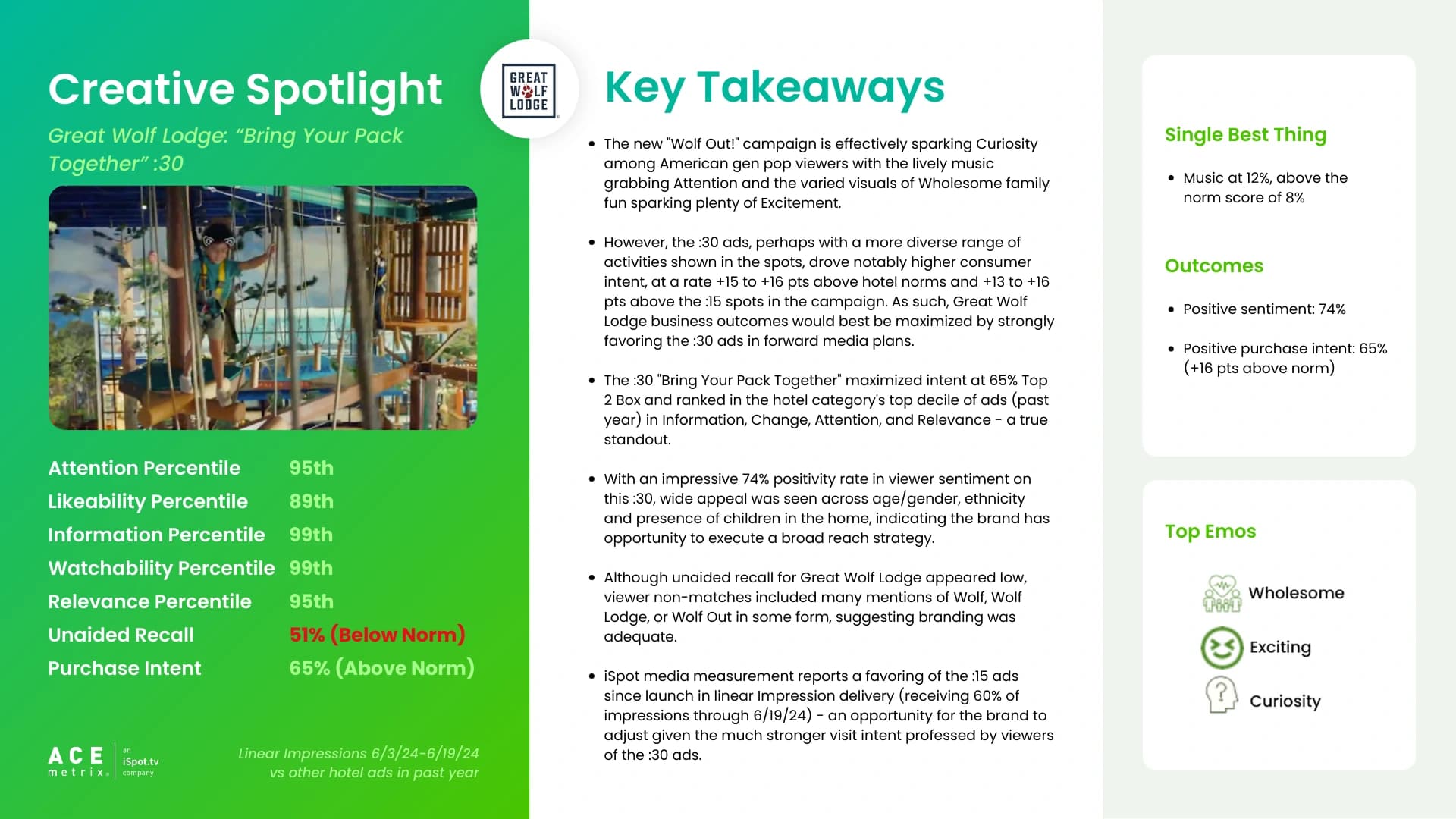
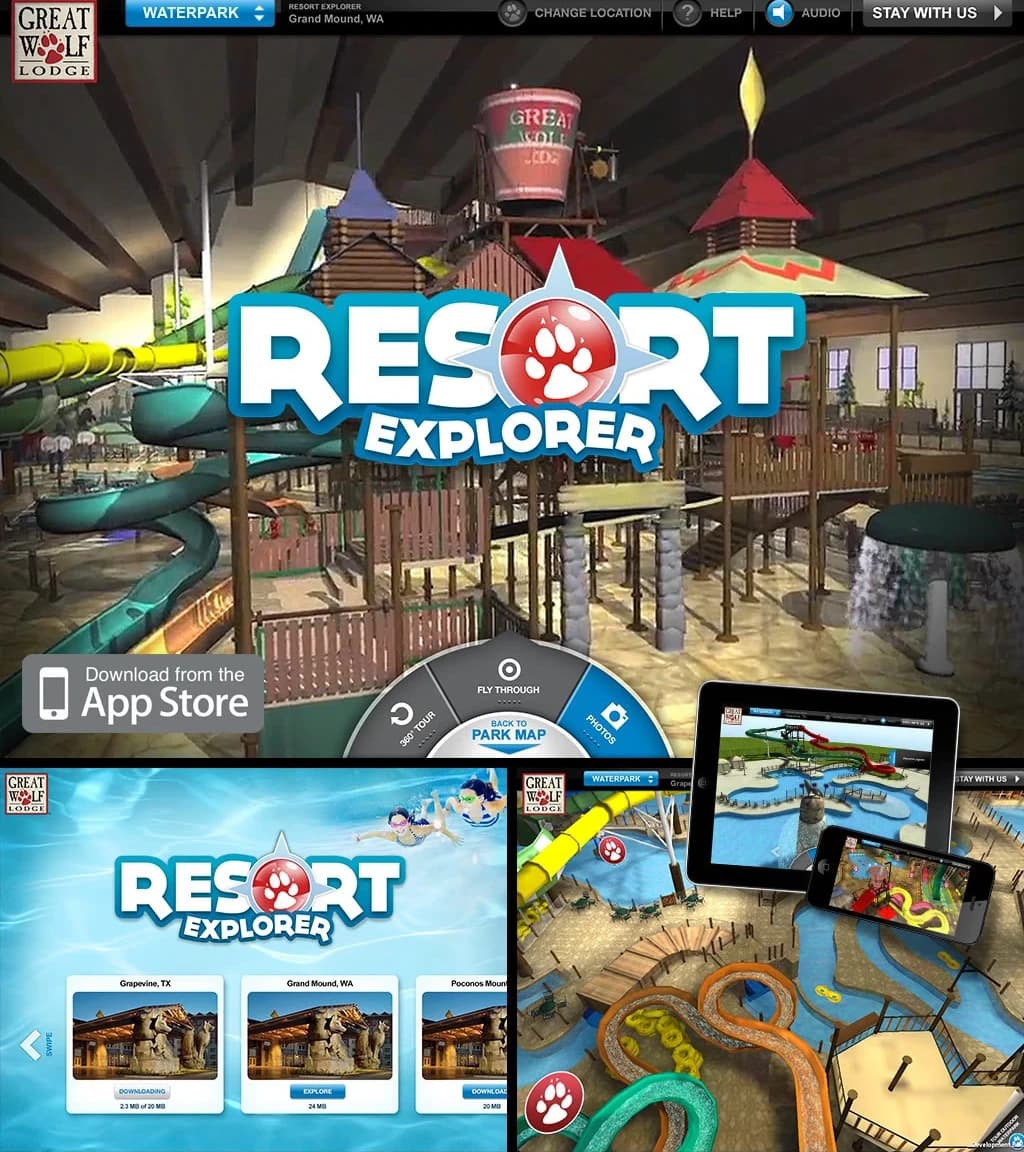

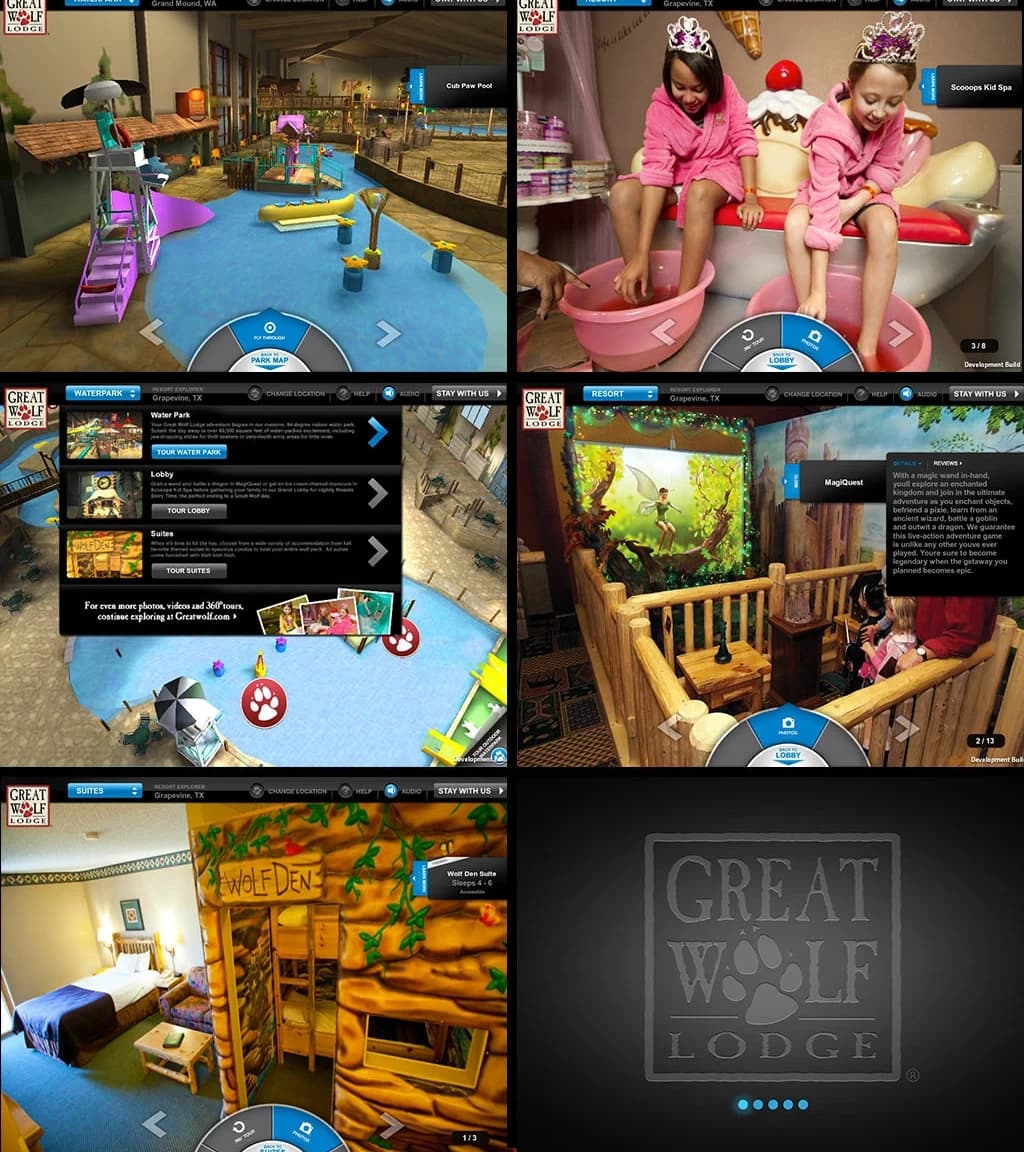
The headline read clean: "Great Wolf Resorts Taps Roastbrief: Inside the Work." Four words that promise a campaign, a creative team, a brand finally trusting an independent shop over the usual holding company suspects. It's the exact story Free Agency Media exists to tell. So we went looking for the work. We found nothing.
Not "hard to find." Not "buried behind a paywall." Nothing. Zero search volume on the cluster. Zero agencies showing up as competitors in the space. Zero mentions on X, zero campaign assets, zero case study, zero client quote, zero creative brief referenced anywhere a reporter could verify it. The story arrived pre-packaged with a headline and nothing underneath it. That gap between claim and evidence is the actual story here. Not the campaign. The claim.
The Premise Doesn't Survive Five Minutes of Verification
Roastbrief isn't a creative agency. It's a Spanish-language advertising and marketing trade publication, the kind of outlet that covers campaigns, not the kind that produces them. Confusing a trade press outlet for a creative shop isn't a small clerical error. It's the difference between the newsroom and the newsmaker. AdAge doesn't "win" the Coca-Cola account. Adweek doesn't get "tapped" for a Super Bowl spot. When a headline says a media outlet landed a brand relationship, the headline is describing something that structurally cannot happen the way it's described.
That distinction matters even more here because Roastbrief's own presence on X shows exactly what kind of content the outlet actually publishes. One relevant post surfaced in our search: Roastbrief covering "Golden Wolf," a separate animation and creative entity working on world-building campaigns. Golden Wolf. Not Great Wolf. A different company, a different category, a different continent of relevance. The overlap starts and ends with the word "wolf," and that's almost certainly where this story came from: a keyword collision mistaken for a client relationship, or a headline generated without anyone checking whether the words meant what they implied.
We checked. They didn't.
What the Search Data Actually Shows
Here's the part that should have stopped this story before it started. The keyword cluster built around this claim, "great wolf resorts," "great wolf resorts agency," "great wolf resorts campaign," "independent agency wins," "brand agency relationship," returns a combined 0 monthly searches specific to any agency relationship. Zero. Not low. Zero. The number of agencies actively competing for visibility in this space: also zero. When a real account move happens, even a quiet one, the search data moves. Agencies update their sites. New business teams update LinkedIn. Trade press picks it up, and readers search the agency name alongside the client name within days. None of that happened here, because none of that had anything to happen to.
Run the actual query and the results tell a cleaner story than any press release could. The top five results for "great wolf resorts" are, in order: the brand's own booking site, the company's Wikipedia entry, its Facebook page, its Instagram account, and a hospitality industry directory listing showing 24 locations and a corporate address in Madison, Wisconsin. Not one creative agency. Not one campaign case study. Not one trade press mention of a review, a pitch, or a win. The Instagram bio references "over 50 attractions under one roof," which tells you Great Wolf Lodge is comfortable putting hard numbers in its own marketing copy. It tells you nothing about who's making that copy, because as of this search, nobody's claiming credit publicly, verified or otherwise.
Search "resorts taps roastbrief" directly and the results thin out further. Search "taps roastbrief inside" and you get fragments, not findings: scraps of a phrase that never cohered into a sourced story anywhere else. That's not a publication being cautious about an exclusive. That's a phrase with no second source because there was never a first one.
The Social Silence Is the Loudest Signal
Agency wins generate noise. Not always a lot, but always some. A junior strategist posts the deck teaser. A creative director quote-tweets the announcement. A holding company loses an account and someone in the industry gossip channels flags it within hours. The absence of that noise is data, and in this case the absence is total.
We ran extensive semantic and keyword searches across X for the exact claim, the agency name, the client name, and every reasonable variation of the campaign language. The result: zero posts, zero takes, zero debates, zero mentions of Great Wolf Resorts partnering with, hiring, or featuring Roastbrief in any "Inside the Work" style coverage. What we found instead were unrelated threads: guest complaints about water park conditions and timeshare sales pressure at Great Wolf Lodge properties, and general industry chatter about earned media strategy and casino resort social approaches that had nothing to do with either brand named in the original claim.
That's the full extent of the public record. A single tangential post about Golden Wolf. A handful of complaint threads about an unrelated business function. And silence everywhere the actual claim would need to show up if it were true.
Compare that to how real independent wins actually surface. When an agency lands a Fortune 500 account, the evidence trail is immediate and multi-sourced: a press mention, a LinkedIn post from the agency's founder, a quote from the client's CMO, sometimes a trade write-up within 48 hours. Verified wins leave fingerprints. This one left none, and a story with no fingerprints isn't an exclusive. It's a rumor with a headline attached.
Why Trade Press Keeps Publishing Stories Like This
This isn't really about Roastbrief, or Great Wolf Resorts, or whether either party did anything wrong. Neither seems to have made this claim. As far as the public record shows, nobody at either organization said this happened. The failure sits entirely upstream, in whatever process generated a confident, specific headline out of a keyword collision and zero supporting evidence.
That process is more common than the industry likes to admit. Trade coverage of independent agencies runs on a kind of borrowed urgency: everyone wants to be first with the "small shop lands the big brand" story, because that story performs. It confirms a thesis readers already believe, that independence can outmaneuver the holding company machine, and confirmation bias is a hell of a drug. But a thesis is only as good as the verification behind each individual claim that supports it. Publish enough unverified wins and the entire beat starts to look like fan fiction with a masthead.
The stakes are not abstract. When trade press treats an unverified claim the same way it treats a confirmed one, readers lose the ability to tell the difference. A CMO evaluating independent shops for a review reads "Great Wolf Resorts Taps Roastbrief" and files it as data. A junior strategist building a pitch deck cites it as a market signal. A competitor agency, seeing a rival's name attached to a major account, adjusts strategy around a phantom threat. None of that is hypothetical. It's exactly how bad information compounds inside a trade ecosystem that runs on speed over sourcing.
Independent agencies do not need inflated claims to make their case. The actual data on independent wins, the kind FAM verifies before publishing, is compelling enough on its own. Small teams landing Fortune 500 briefs. Boutique shops outpitching holding company networks on speed and specificity. That's a real pattern, documented across hundreds of verified account moves industry-wide. It doesn't need help from a fabricated headline about a media outlet somehow becoming a creative agency overnight. If anything, stories like this one dilute the credibility of the real wins by association. Every unverified claim that slips through makes the next verified claim harder to trust on sight.
What Verification Actually Requires
The standard isn't complicated. A named agency. A named client. A concrete deliverable, whether that's a campaign, a spot, a rebrand, or a pitch win. Attribution from at least one party involved, or documented evidence that doesn't depend on taking a headline at its word. None of that existed here, and the absence took less than an hour to confirm.
That's the part worth sitting with. Verifying this claim, or rather verifying that it couldn't be verified, took a search engine, a social listening pass, and basic industry knowledge about the difference between a trade publication and a creative agency. If a story can be debunked in an hour, it should never have survived the first editorial pass. The bar for publishing an "Inside the Work" piece should be higher than the bar for writing one, and right now, across too much of the trade ecosystem, it isn't.
This is also where a directory model earns its keep. FAM's standard is that every agency listed earns its place through verification, not through a press mention that nobody checked. That standard exists precisely for moments like this one: a headline arrives, fully formed and specific enough to sound credible, and the only thing standing between that headline and a published story is someone willing to check whether the underlying facts exist. In this case, they didn't. Killing the story is the correct outcome. Publishing it anyway, hedged with a few "reportedly" qualifiers, would have been worse than publishing nothing, because a hedge doesn't undo the headline. Readers remember the claim, not the caveat.
Where This Leaves the Rest of the Industry
Nothing here is a verdict on Roastbrief's actual work covering the Latin American advertising market, which is a real and separate function from anything this claim implied. Nothing here is a verdict on Great Wolf Resorts' marketing operations. An agency relationship could exist that isn't public, isn't searchable, and isn't this one. The verdict is narrower and more useful than either of those: a specific claim, "Great Wolf Resorts Taps Roastbrief," does not hold up against search data, social listening, or basic categorical logic, and should not have been published as a confirmed campaign story anywhere.
What should happen next is simple. If a real Great Wolf Resorts campaign involving an independent agency does exist and simply hasn't generated public signal yet, that's a story worth chasing the moment verifiable evidence surfaces: a named creative lead, a client quote, a deliverable that can be seen and assessed on its merits. FAM will run that story gladly, with the same rigor applied to every agency profile in this publication. Until then, the responsible move is the one this piece just made: report the absence of evidence as clearly as we'd report the presence of it, and let the reader see exactly how thin the original claim actually was.
The independent agency landscape doesn't need manufactured wins to prove its thesis. The verified numbers already do that work: real account moves, real headcounts, real Cannes wins coming out of shops a fraction of the size of the holding companies they're beating. That's the story worth telling, over and over, with names attached and evidence behind every claim. A phantom campaign for a water park chain, credited to a media outlet that doesn't make campaigns, isn't part of that story. It's a reminder of what happens when trade press skips the one step that separates journalism from noise: checking whether the thing being reported actually happened before telling the reader it did.
Free Agency Media Editorial
All news


