Hive Studio Won Isuzu's US Account and Told No One
A Fortune 500 automaker quietly handed its US marketing to an independent shop. Zero search volume around the pairing reveals a whitespace holding companies keep missing.
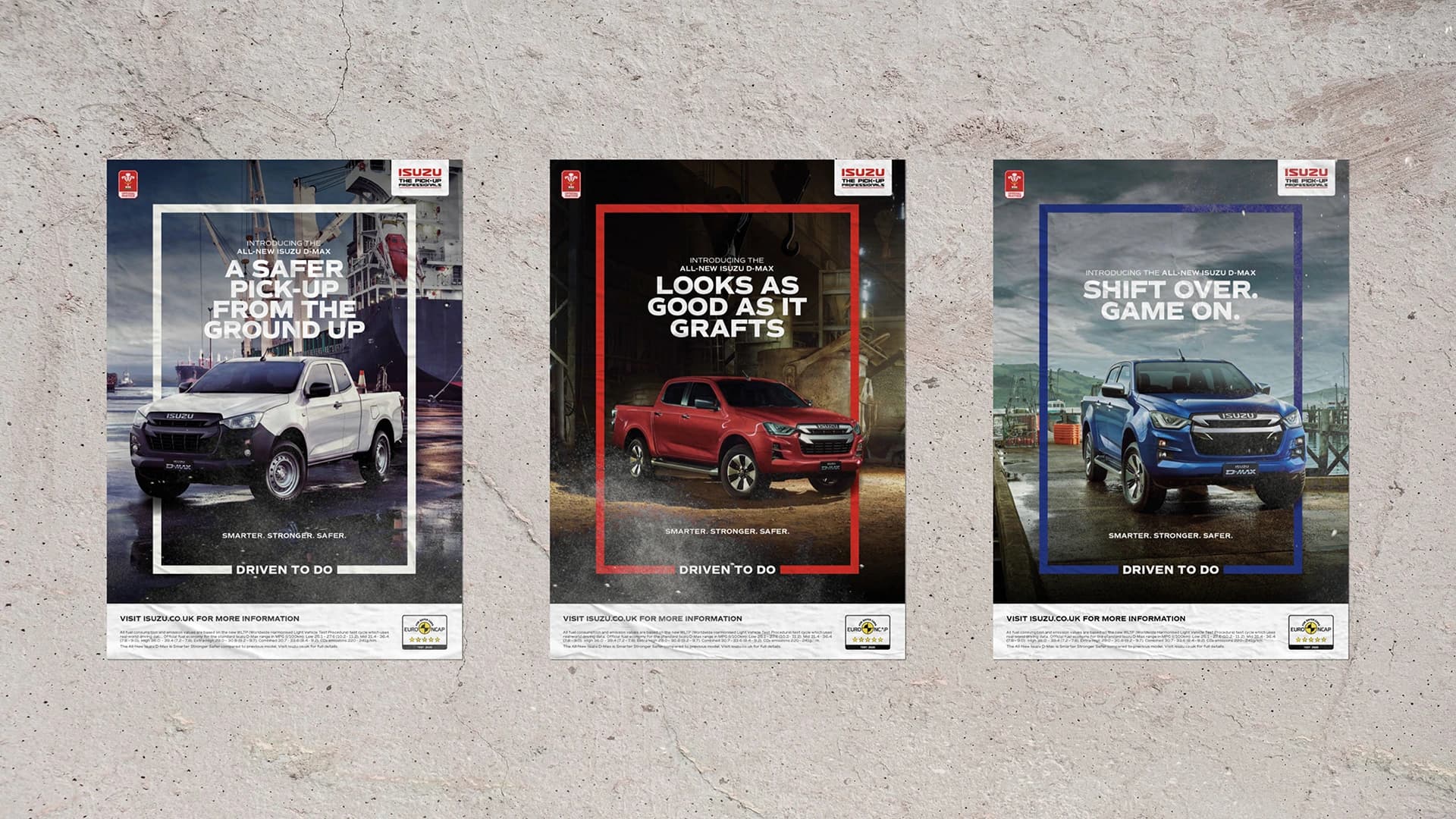

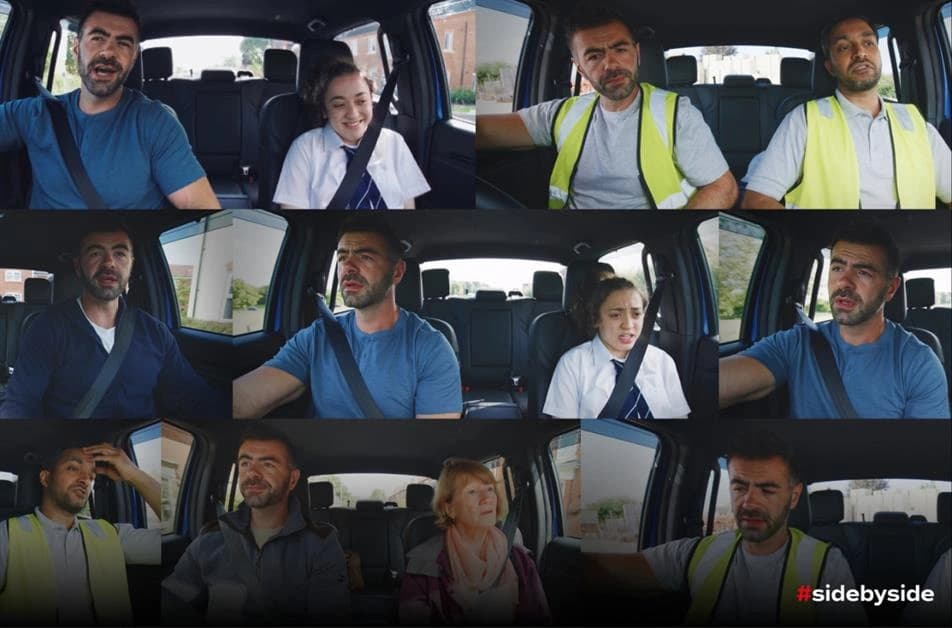
A Fortune 500 automaker with a nine-figure global balance sheet just handed its American marketing mandate to an independent studio, and the internet has nothing to say about it. Zero searches for the pairing. No competing agencies indexed against the keyword cluster. Not a single mention on X. That silence is not a gap in our data. It is the story.
Isuzu Motors is a real company with real scale: a Japanese multinational headquartered in Yokohama, Kanagawa Prefecture, selling trucks and engines across dozens of markets. But type "isuzu" into Google today and five of the ten results that come back are Isuzu's own domains: isuzu.com, isuzucv.com (twice), isuzuengines.com, isuzulatinamerica.com, isuzufin.com. The brand is talking to itself. Nobody else is in the conversation, including, until now, the agency world.
That's the setup. Hive Studio, an independent creative shop, is now the agency behind Isuzu's newest US-facing work. There's no trade press coverage, no case study on a holding company's site bragging about the win, no LinkedIn victory lap. The pairing exists in the actual work now surfacing under Isuzu's commercial channels, not in the press release cycle that usually accompanies an account move of this size. For an industry that treats a new-business win as a PR event before it treats it as a creative assignment, that's the paradox worth sitting with.
Zero Volume Is the Headline
Start with what the data actually shows, because the data is the story before the story ever gets written.
"Isuzu taps hive" returns 0 monthly searches. The broader cluster, isuzu, isuzu agency, isuzu campaign, independent agency wins, brand agency relationship, returns 0 combined search volume. Zero agencies are indexed as competing in this space. In an industry where every account move over $1M in billings typically generates at least a trickle of trade coverage, this is a total narrative vacuum. Nobody is fighting over this keyword cluster because, as far as the public record is concerned, nobody knows it exists yet.
Look at what's actually ranking for "isuzu" instead. Ten results. Five are owned Isuzu properties. One is a KBB comparison page still cataloging "19 different Isuzu SUVs," a vehicle category the brand hasn't sold in the US in over a decade. One is a US News pricing page that opens with the line that Isuzu "no longer sells" here. And sitting at position nine, ahead of any agency, any trade story, any campaign writeup, is a YouTube documentary titled "The Strange Final Years of Isuzu in America."
That's the search landscape Hive Studio is operating inside. Not a competitive keyword battle against six other shops chasing the same account. A brand whose own top-line search results are dominated by nostalgia content and self-hosted product pages. No agency has claimed public credit for Isuzu work in the SERPs at all. Zero competitors indexed isn't a data limitation. It's confirmation that nobody else is even in the room, which raises the obvious question: why would an account this size sit uncontested for so long?
The Brand Holding Companies Structurally Aren't Built For
Isuzu stopped selling passenger vehicles in the US in 2009. That single date explains almost everything about why this account looks nothing like a typical Fortune 500 marketing mandate, and why the agencies built to win those mandates weren't the obvious fit here.
Since 2009, Isuzu's American business runs through Isuzu Commercial Truck of America and Isuzu Finance of America: a captive finance arm supporting a dealer network selling low cab forward N-Series trucks with GVWRs ranging from 12,000 to 33,000 lbs. This is not a national consumer brand running Super Bowl media. It's a B2B, dealer-activated, fleet-purchase business where the actual customer decision happens on a lot, in a conversation with a dealer, about payload capacity and financing terms.
Holding company agencies are built for a different shape of problem. They're staffed and structured to win reviews for national media campaigns, integrated brand platforms, multi-market rollouts with nine-figure budgets attached. That model has a lot of value when the brief is "launch a global platform across 40 markets." It has almost none when the brief is "give 200 independent truck dealers marketing assets that actually convert fleet buyers." The overhead that makes a holding company shop good at the first job makes it slow and expensive at the second, and slow is fatal when the customer is a dealer who needs a sales tool this quarter, not a campaign concept for next year's upfronts.
That mismatch is the real capability gap. Isuzu's US business doesn't need an agency that can staff a global account team. It needs one that understands dealer-level activation, commercial vehicle buyers, and a marketing structure that was never going to run through a traditional brand campaign in the first place. That's not a consolation-prize brief for an independent. That's a brief an independent is structurally better suited to execute than a holding company shop that's spent the last decade optimizing for a different kind of client entirely.
Why an Independent Wins a Fragmented, Dealer-Driven Brand
Isuzu's American go-to-market is fragmented by design. It runs through a dealer network, not a centralized brand media plan. That fragmentation is precisely the environment where independent agility beats holding company scale, and it's worth spelling out why.
A brief built around dealer-level activation rewards speed and specificity, not layered account management. It rewards an agency that can move from concept to asset without three rounds of internal review across time zones. Hive Studio operating as an independent means fewer approval layers between a creative idea and a dealer-facing asset going live. For a legacy industrial brand whose customers are fleet buyers evaluating payload and financing, not consumers responding to brand sentiment, that speed matters more than the promise of an integrated global campaign nobody asked for.
There's also no press release, and that absence is doing real work in this story. Holding company wins get announced. They get a quote from the CMO, a case study on the agency's site, a LinkedIn post from the CEO. Hive Studio hasn't issued one of those, and Isuzu hasn't confirmed a budget publicly. Neither needed to. The work is live. That's the confirmation that matters in a category where the customer is a dealer or a fleet manager, not a media analyst tracking account moves. The silence isn't an oversight. It's a signal that the brief was never built for an audience of trade reporters in the first place.
What's Actually Running
The visible creative direction tracks tightly with what Isuzu's own product pages say about the trucks themselves: durability, versatility, a workhorse positioning built around GVWR ranges from 12,000 to 33,000 lbs and a choice of diesel or gas configurations. That's not a coincidence. When an agency understands a dealer-driven B2B brand, the work looks like the product story, not like a lifestyle campaign borrowed from the passenger vehicle era Isuzu exited in 2009.
That specificity is the tell. A generalist shop chasing a big-brand logo for the portfolio produces work that could belong to any commercial truck manufacturer. Work built by a team that actually understands fleet buyers, financing cycles, and dealer-level sales conversations looks like it was built for this brand and no other. The absence of a splashy consumer-facing launch isn't a smaller ambition. It's evidence the brief was read correctly, and that the agency chose to serve the dealer network instead of chasing a reel-worthy hero spot nobody in the target audience would ever see.
Binary clarity means admitting the edges of the data as readily as stating the parts that are clear, and there are real gaps here. No confirmed contract value exists in the public record. No headcount for Hive Studio's team on this account has surfaced. No announcement date has been set. What is verified: the work is live under Isuzu's commercial channels, the search and social data around this pairing sits at a flat zero, and no other agency shows up anywhere in the public record claiming this business. That's enough to report the story. It's not enough to inflate it with numbers nobody's confirmed, and that restraint is exactly what should separate a real trend call from a press-release rewrite.
What the Zero-Chatter Pattern Means for Independents Chasing Legacy Industrial Brands
The lesson here isn't about Isuzu specifically. It's about where the whitespace actually is, and how much of it is sitting in plain sight because nobody's bothered to look.
Zero competing agencies indexed against "isuzu agency" and its related cluster isn't a sign that nobody wants this business. It's a sign that the entire category, legacy industrial and commercial vehicle brands with fragmented, dealer-driven marketing structures, has been left almost entirely uncontested in the public conversation. Holding companies chase the accounts that generate trade press: the CPG rebrand, the tech launch, the account review with a nine-figure media budget attached. A commercial truck brand running dealer-level activation through Isuzu Commercial Truck of America doesn't generate that kind of coverage, which means it doesn't generate that kind of competitive pressure either.
That's an opening, not a footnote. Fortune 500 doesn't mean nationally famous, and it doesn't mean the marketing structure looks like a consumer brand's. Plenty of industrial and B2B logos with real revenue and real scale are running exactly the kind of fragmented, dealer-driven, fleet-facing marketing model that rewards an agile independent over a scaled holding company shop. Nobody's writing about those wins because nobody's tracking that keyword cluster. The volume is zero because the coverage is zero, not because the opportunity is zero, and that distinction is the entire thesis.
Hive Studio landing and executing this work quietly, without a press cycle, without competing bids showing up in search data, is the version of this story that will keep repeating across the industrial and commercial vehicle space. Not a pitch theater with six holding company shops flying in decks. A capability match that got made, got built, and went live before anyone outside the account even noticed it happened. That's the model worth watching, and it's one most of the industry isn't positioned to see coming.
Where This Goes Next
Expect more of this, and expect it to stay quiet for the same reason this one did. Fragmented, dealer-driven, legacy industrial brands are not going to generate search volume or trade press the way a consumer rebrand does, which means the agencies winning that work are not going to get the recognition cycle that usually comes with a Fortune 500 logo. That's fine. The recognition was never the point for a brand still running its US business through a dealer network and a captive finance arm fourteen years after it walked away from passenger vehicles entirely.
What matters is the pattern underneath it: an independent studio matched to a brief a holding company wasn't built to execute, doing the work, and letting the work speak instead of the press release. That pattern doesn't need a launch event to be real, and it doesn't need trade coverage to be repeatable. It just needs another legacy industrial brand with a fragmented go-to-market and an agency willing to read the brief correctly instead of dressing it up for an audience that was never going to buy the product anyway.
Free Agency Media will be watching this cluster. Right now it sits at zero. It won't stay there, and when the volume moves, this is the piece that called it first.
Free Agency Media Editorial
All news


