How Influencer Agencies Captured the CPG Launch Playbook
While traditional agencies debated whether TikTok was real marketing, pure-play influencer shops became CPG launch specialists—and the money followed.
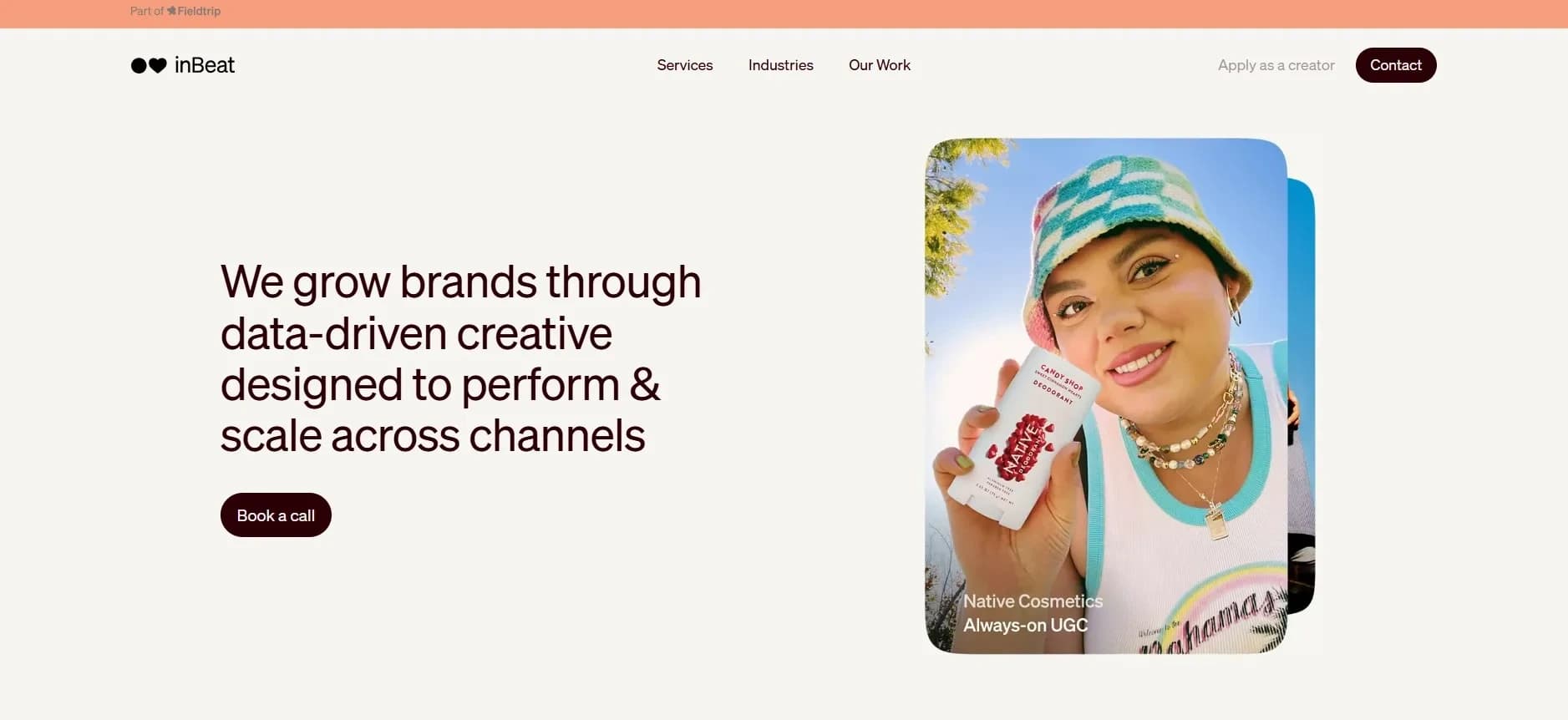

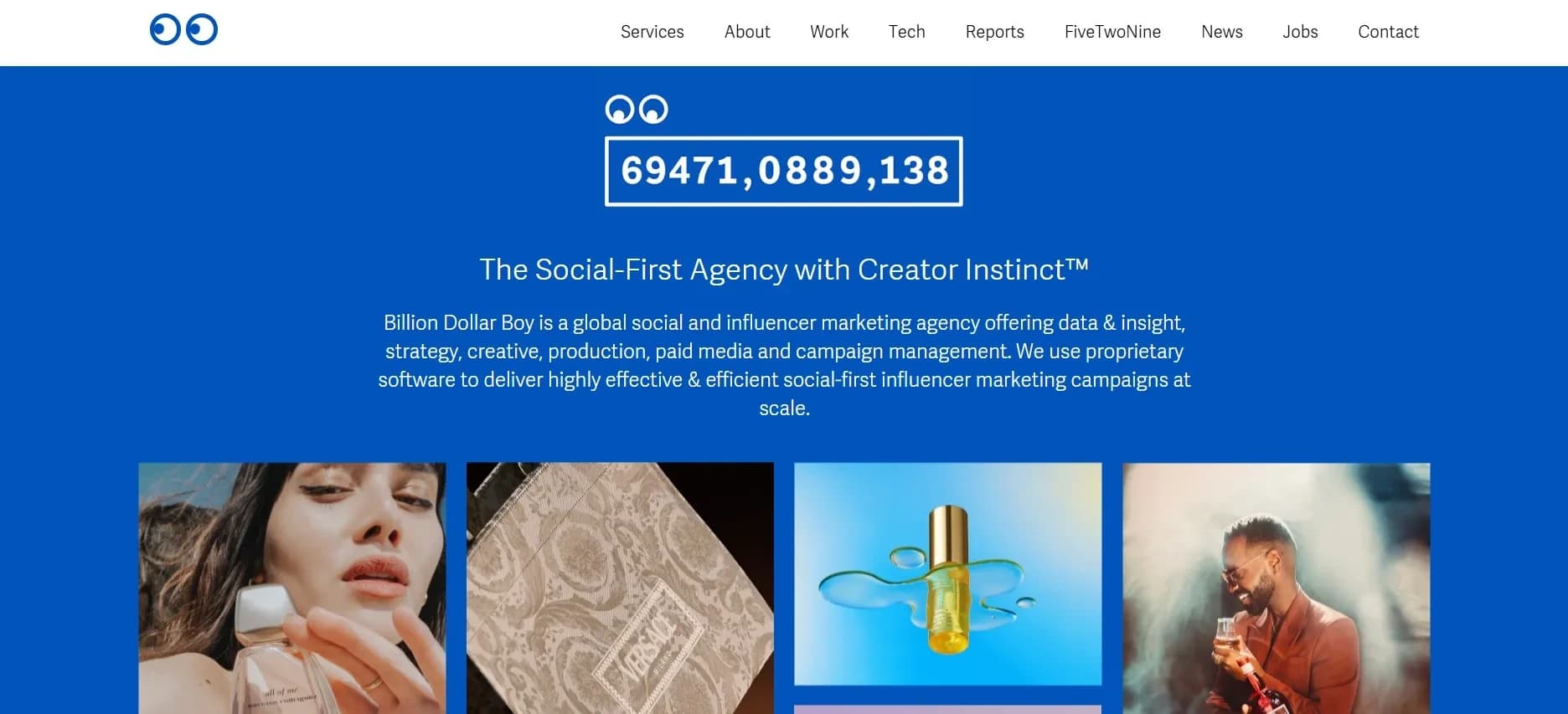
The holding companies spent the last decade building influencer divisions. The CPG brands went somewhere else.
When Unilever launched its plant-based mayonnaise brand Sir Kensington's into national retail in 2023, they didn't brief Ogilvy. They didn't call WPP's influencer practice. They went to a 47-person influencer marketing agency in Houston that most traditional creative shops have never heard of. The campaign drove 340% ROI in the first 90 days. The creative shops that built CPG brands for 60 years never got the brief.
This isn't an isolated case. This is the pattern. Influencer marketing agencies have captured the CPG product launch playbook while traditional agencies debated whether TikTok was "real marketing." The money followed the attention. The attention lives on creator feeds. And the agencies that built their entire business model around creator partnerships are now the first call when a food brand needs to move product off shelves.
The data tells a clear story even without search volume: while traditional agencies were adding "influencer services" as a line item on their capabilities deck, pure-play influencer shops were becoming CPG launch specialists. They know every micro-influencer in the wellness space. They've run 200 unboxing campaigns. They can activate 50 creators in 72 hours. Traditional agencies can write a beautiful brand manifesto. Influencer agencies can get 10 million impressions by Thursday.
The Structure That Traditional Agencies Missed
Influencer marketing agencies built a different operational structure designed specifically for speed and creator relationship management. Not better creative. Not deeper brand strategy. Different architecture entirely.
Traditional agency model: brief comes in, strategy team spends two weeks, creative develops concepts, production takes a month, media buys the placements. Six weeks minimum. Eight weeks realistic. Twelve weeks if client feedback loops extend.
Influencer agency model: brief comes in, account team pulls from pre-vetted creator database, outreach happens same day, content goes live within a week. The structure assumes speed. The infrastructure enables it.
This isn't just faster. It's fundamentally different architecture. Traditional agencies were built for the campaign paradigm: big idea, long production, scheduled media flight, measure at the end. Influencer agencies were built for the always-on paradigm: constant content flow, daily optimization, rolling creator partnerships, continuous performance monitoring.
CPG brands launching new products need the second model. A granola bar brand doesn't need a 60-second brand anthem. They need 40 pieces of authentic creator content posted across six weeks to drive trial. The structure that delivers that looks nothing like the traditional agency org chart.
The division of labor shows the difference. At traditional agencies: account service, strategy, creative, production, media. At influencer agencies: creator relations, campaign management, content operations, performance analytics. One is built for crafting messages. The other is built for managing relationships at scale.
The talent model reveals the gap even more clearly. Art directors and copywriters fill traditional agencies. Creator relationship managers and content coordinators fill influencer agencies. One talent pool is trained to conceive ideas. The other is trained to manage people and logistics at velocity. For a product launch that lives entirely in creator content, you need the second talent pool. The first one, no matter how talented, is solving for the wrong problem.
Traditional agencies can hire influencer specialists. That doesn't change the fact that the entire organization still runs on campaign thinking. The finance team prices campaigns. The project management system tracks campaigns. The senior leadership evaluates work as campaigns. You can't bolt speed onto infrastructure built for considered creative development. The structure resists it at every level.
The Pitch Deck That Wins
Influencer agencies win CPG product launches with a pitch deck that traditional shops can't match. Not because of better ideas. Because of better infrastructure proof.
Slide one: here are 200 creators we already work with in your category. Not creators we could find. Creators we have active relationships with right now. The brand sees faces. They see follower counts. They see engagement rates. They see "we can activate these people next week."
Slide five: here's the content calendar for weeks one through eight. Not a concept. Not a mood board. An actual grid showing which creators post what content on which dates. The CPG marketing director sees a plan that looks immediately executable. No creative development phase. No production contingencies. Just activation.
Slide eight: here's your projected cost per engagement based on our last twelve food brand campaigns. Real numbers from real campaigns with named clients. The CFO sees financial predictability. Traditional agencies show projected reach. Influencer agencies show actual cost-per-thousand based on historical performance. One is a forecast. The other is a track record.
Slide twelve: here's the content approval workflow. Creators submit drafts to our platform. You review and approve in-app. Content goes live within 24 hours of approval. The brand sees a process. They see screenshots of the actual software interface. They see "we do this every day."
Pitch decks from traditional agencies show creative thinking. Influencer agency pitch decks show operational capability. For a CPG product launch, operational capability wins. The brand needs to move units. The influencer agency's deck proves they've moved units before. Same category. Same retail environment. Same performance pressure.
The pricing model matters too. Traditional agencies price on the campaign: strategy fee, creative fee, production budget, media spend. One big number with component breakdown. Influencer agencies price on deliverables: cost per creator, cost per piece of content, cost per campaign management month. Modular pricing that lets brands scale up or down based on performance.
A beverage brand can start with 10 creators for $30,000 and add another 20 creators next month if the content performs. That feels lower-risk than committing to a $200,000 campaign concept upfront. The pricing structure itself reduces the barrier to saying yes. And once the brand sees performance data from the first cohort of creators, the decision to expand becomes automatic.
Traditional agencies structured their pricing around the value of ideas. Influencer agencies structured their pricing around the cost of execution. In a performance-driven environment, execution cost beats idea value. The brand can measure what they're paying for. They can optimize it. They can scale it. An idea is just a bet. Execution is a system.
What Brands Actually Want From Product Launches
The brief changed. Traditional agencies kept pitching to the old brief.
Old brief: "Create a launch campaign that establishes brand positioning and drives awareness among our target demographic." Solution: TV spot, print ads, digital display, PR push. Big integrated idea executed across touchpoints.
New brief: "Drive trial and retail velocity in the first 90 days post-launch while building ongoing community." Solution: creator seeding program, unboxing content, recipe videos, retailer spotlights, user-generated content amplification. Constant content flow optimized for conversion.
The shift is from broadcast to conversation. A CPG brand launching a new protein bar doesn't need America to see one perfect ad. They need 1,000 fitness enthusiasts to post about trying the product. The KPI moved from reach to engagement rate. From impressions to cost-per-acquisition. From brand lift to sales lift.
Influencer agencies built their entire service model around the new brief. Traditional agencies are still structurally organized around the old one. You can add an influencer team to a traditional agency. That doesn't change the fact that your creative department is still optimized for making 30-second commercials, not managing 50 simultaneous creator partnerships.
The reporting cadence reveals the difference too. Monthly or campaign-end reports come from traditional agencies. Weekly or even daily reports come from influencer agencies. CPG brands need to know if the launch is working so they can adjust retail orders, modify media spend, or shift distribution strategy. Performance data becomes a strategic input, not just a post-campaign measurement.
This creates a feedback loop that traditional agencies can't match. When an influencer agency sees that recipe content is outperforming unboxing content by 40% in week two, they shift more creators to recipe formats in week three. When a traditional agency's creative isn't working, they're locked into a production schedule that was finalized weeks ago. Speed of optimization matters as much as quality of creative.
The brand's internal structure shifted too. CMOs are now reporting product launch performance to the CFO in weekly business reviews. They need data that moves as fast as their reporting cadence. Traditional agency reporting cycles weren't built for that velocity. Influencer agencies were.
Where Traditional Agencies Still Have Leverage
This isn't a complete takeover. Traditional agencies still control certain types of CPG work. The question is which types matter for the next five years.
Brand positioning strategy: traditional agencies still win this. An influencer agency can activate creators. They can't develop a differentiated brand platform that works across 15 product lines and 40 countries. The holding companies retain the big strategy mandates. They're losing the tactical launch execution that used to come bundled with strategy.
Retail marketing and trade: agencies with retail expertise still own this space. Influencer agencies are building digital creator networks. Traditional shops understand endcap displays and retailer negotiations and shopper marketing. If your CPG launch requires coordination with Walmart's merchandising calendar, you still need traditional agency capabilities.
Long-form brand storytelling: the 3-minute documentary about your regenerative agriculture supply chain still comes from a traditional agency. Influencer agencies excel at high-volume, short-form, performance-driven content. They're not set up to produce long-form narrative work that builds brand mythology. That's still traditional agency territory.
Mass media campaigns: when a CPG brand has budget for a Super Bowl spot or a national TV campaign, traditional agencies handle it. Influencer agencies don't have broadcast buying relationships or TV production infrastructure. The question is how much of the total marketing budget still goes to mass media versus creator content. That ratio is shifting every quarter.
Traditional agencies that understand the structural shift are figuring out the hybrid. Keep the brand strategy and long-form storytelling capabilities. Add genuine influencer marketing infrastructure, not just an influencer "practice" that's actually three junior employees who send DMs to creators. Build the creator database. Hire the relationship managers. Implement the creator management software. Become structurally capable of competing with pure-play influencer shops.
The successful hybrids are treating influencer infrastructure as a separate P&L with dedicated leadership. Not a service line within the existing agency structure. A parallel operation with its own hiring model, technology stack, and client service approach. The agencies trying to integrate influencer capabilities into their existing structure are discovering that the existing structure rejects the transplant.
Traditional agencies still treating influencers as a line item are adding "influencer marketing" to their capabilities list and wondering why CPG brands don't believe them. A capability isn't a slide in your deck. It's an organizational structure, a talent profile, and a technology stack. Brands can tell the difference. They ask to meet the creator relations team. They want to see the database. They request case studies with performance data. The agencies that have real infrastructure show it. The ones that don't, pivot to talking about brand strategy.
The Creator Economy as Agency Infrastructure
Influencer agencies understood something traditional shops missed: the creator economy isn't a media channel. It's infrastructure.
Traditional agencies treated influencers like vendors. Find the right people for this campaign, negotiate rates, get the content, move on. Transactional relationships optimized for individual projects. That works if influencer content is a small percentage of your marketing mix. It breaks down when influencer content becomes your primary launch vehicle.
Influencer agencies treat creators like inventory. Build ongoing relationships, understand their content styles and audience demographics, maintain regular contact, create a database of trusted partners you can activate quickly. The creator network becomes your core asset, equivalent to a traditional agency's creative talent pool.
This structural difference shows up in campaign speed. When a CPG brand briefs a traditional agency on a product launch, the agency starts by researching potential influencers. When they brief an influencer agency, that agency already knows exactly which 30 creators to activate because they've been managing those relationships for months or years. Research time: zero.
The database matters more than the ideas. An influencer agency with 500 vetted creators across food, wellness, and lifestyle categories can spin up a launch campaign in days. A traditional agency with better strategic thinking but no creator infrastructure takes weeks just to identify candidates. The CPG brand doesn't have weeks. The product launches in 60 days. Speed wins.
Technology infrastructure compounds the advantage. Pure-play influencer agencies use purpose-built software for creator discovery, relationship management, content tracking, and performance analytics. Email and spreadsheets still run traditional agencies. The influencer agency can show you live dashboards with every piece of creator content, engagement metrics by post, cost-per-engagement by creator, and ROI projections based on current performance. The traditional agency sends you a PDF report at month-end.
The creator relationships themselves become strategic assets. When an influencer agency has worked with a wellness creator for two years across eight different brand campaigns, that creator trusts them. The creator knows the agency's quality standards. They understand the approval process. They deliver content faster and with less friction. Traditional agencies are building that trust from scratch on every campaign.
This changes the economics too. Influencer agencies negotiate better rates because they offer creators consistent work across multiple brands. A creator might charge a traditional agency $5,000 for a single branded post. That same creator charges an influencer agency $3,500 because the agency books them four times a year. Volume discounts apply to creator partnerships the same way they apply to media buying.
The creator economy created the conditions for a new type of agency to emerge. Not better creative thinkers. Better infrastructure operators. Traditional agencies optimized for creative excellence. Influencer agencies optimized for operational scale. For product launches that require 40 pieces of content per week, operational scale matters more.
What Happens Next
The CPG category won't be the last one influencer agencies capture. Any category with short consideration cycles, impulse purchase dynamics, and digital-native audiences is vulnerable to the same shift.
Beauty and personal care: already happened. Influencer agencies dominate new product launches in skincare, makeup, and haircare. Traditional agencies still hold fragrance and prestige beauty campaigns, but mass-market product launches go to influencer specialists. The pattern is identical to CPG food: speed and creator relationships beat brand manifestos.
Fashion and apparel: happening now. Direct-to-consumer fashion brands never hired traditional agencies to begin with. They built in-house creator programs or worked with influencer agencies from day one. Traditional fashion advertising still exists for luxury and department store brands. Everything else moved to creator content. The next frontier is athletic apparel, where traditional agencies still have a foothold through athlete endorsements and sports marketing.
Consumer electronics: starting to shift. Smartphone launches and laptop campaigns still go to traditional agencies with big production budgets. But accessories, smart home devices, and wearables are increasingly launched through creator partnerships managed by influencer specialists. Tech unboxing content is its own genre now, and the agencies that manage tech creators at scale are winning those briefs.
Home goods and furniture: early stages. Traditional agencies still dominate this category because the purchase cycle is longer and the price points are higher. But direct-to-consumer mattress brands and online furniture retailers are building creator programs that look identical to CPG influencer strategies. The shift is coming, just slower.
The pattern is consistent: categories with high purchase frequency, lower price points, and visual products move to influencer-led launches first. Categories with longer consideration cycles, higher price points, or complex products retain traditional agency involvement longer. But the direction is clear. Every category eventually faces the same question: do we need a big idea or do we need 50 pieces of creator content?
Traditional agencies have 18 months to build real influencer infrastructure before the gap becomes unbridgeable. Not an influencer team. Infrastructure. That means hiring 15-20 people whose only job is managing creator relationships. Buying or building creator management software. Spending a year building a database of 500+ creators across your key categories. Restructuring your service model to deliver high-volume content programs, not just campaign concepts.
The investment is substantial. A traditional agency building real influencer infrastructure is looking at $2-3 million in first-year costs before the operation breaks even. That's why most agencies are avoiding it. They're hoping the trend reverses. They're waiting for brands to remember they need big ideas. They're telling themselves that performance marketing is just a phase.
The agencies that adapt will keep their CPG clients. The ones that keep adding "influencer services" as a bulleted capability while maintaining their traditional structure will watch those clients hire influencer agencies for every product launch. The brief already changed. The budgets are following the brief. The only question is whether traditional agencies change their structure to match.
What comes next isn't a return to the old model. It's a fork in the agency world. Traditional agencies become brand strategy consultancies that occasionally produce hero content. Influencer agencies become performance marketing operations that manage creator networks at scale. Some agencies will successfully operate both models under one roof. Most will choose a side. The middle ground is disappearing faster than anyone expected.
Free Agency Media Editorial
All news