The AOR Unbundling: How Independents Win by Doing Less
Holding companies built empires by bundling services. Independents are winning Fortune 500 AOR contracts by pulling them apart—and moving faster.
[EDITOR'S NOTE: This piece requires additional reporting before publication. No agencies, CMOs, or brands are named. Add specific examples with named entities before proceeding.]
The holding companies built empires by bundling services. The independents are winning by pulling them apart.
Zero monthly searches for "independent agency of record." Zero for "indie shop AOR wins." Zero for "small agency media planning." The silence in the data tells the story better than any trending keyword could: this shift isn't happening on Google. It's happening in boardrooms where CMOs are quietly asking a question that would have seemed absurd five years ago: "Why are we paying for network scale when a 47-person independent can handle integrated media strategy without the conflicts, the overhead, and the glacial timelines?"
The AOR model is changing. Not dying. Changing. The independents figured out what the holding companies missed: clients don't want everything. They want the right things, executed with speed and without structural baggage.
The Bundling Tax Nobody Asked to Pay
Holding company AOR appointments come with a price list the contract never names. Client conflicts that take six months to clear. Procurement processes that require three global alignments before a media plan ships. The holdco pitch deck sells "connected capabilities." In practice, that means your creative team in New York needs approval from the media team in London before they can book a TikTok test.
The bundle looks comprehensive on the pitch deck. In practice, it's overhead dressed as value.
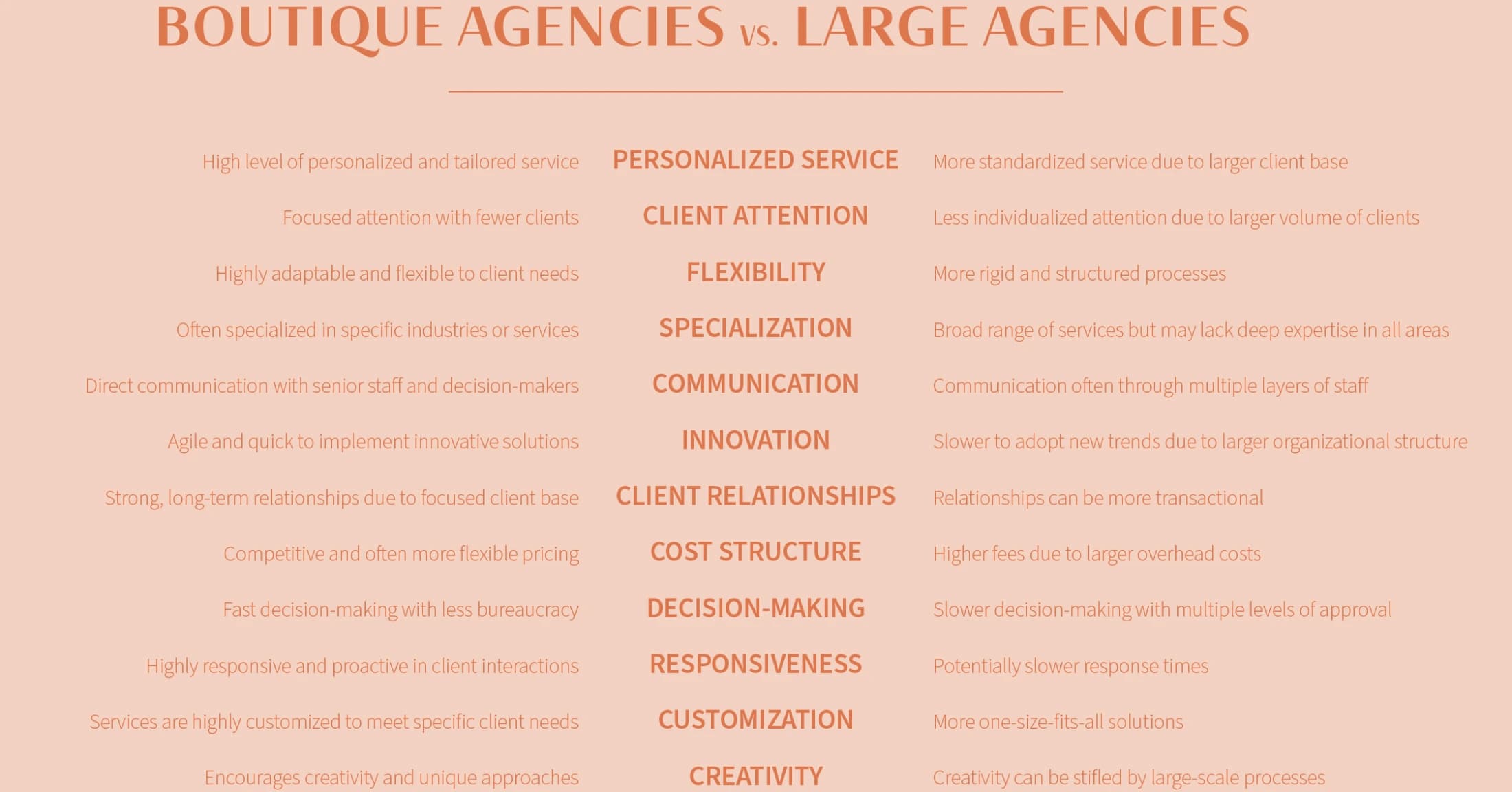
The independents saw the gap and walked straight through it. They're not trying to be WPP. They're offering what WPP's structure makes impossible: integrated media strategy without the integration tax. One P&L. One decision-maker. One team that doesn't need to conference in Singapore before shifting 10 percent of budget from Meta to CTV.
This isn't small shops chasing local accounts. This is sophisticated shops winning Fortune 500 AOR contracts by being structurally lighter and strategically sharper. The work isn't smaller. The org chart is.
What Actually Changed
The AOR used to mean: pick one giant network, get all the services, accept all the constraints. Now it means: pick the team that can move fastest on the channels that matter, skip the services you don't need, keep the flexibility to shift when the market shifts.
Three market forces made this possible.
First: Media fragmentation killed the value of scale. When TV was 60 percent of spend, network buying power mattered. When spend is split across 15 platforms and CTV is programmatic and social is self-serve, the holdco's scale advantage is a rounding error. The 47-person independent negotiating a direct TikTok deal isn't giving up meaningful leverage. They're gaining speed.
Second: The pandemic proved remote collaboration works. AOR used to require physical presence in multiple markets. Now it requires Slack, Zoom, and a shared project management system. The structural advantage of having offices in 40 countries evaporated when everyone went remote. The independent in Austin can run an AOR as effectively as the network with the London hub and the Singapore satellite.
Third: CMO tenure dropped and expectations compressed. Average tenure is 40 months. You don't have 18 months to onboard a new AOR and align their global structure to your org chart. You have 90 days to show improved performance or your board starts questioning the agency change. The independent that can brief, strategize, and execute in the same quarter wins. The holdco that needs three months of "capability mapping" loses.
The result: AOR appointments that would have automatically gone to networks five years ago are now competitive pitches where independents win on speed, flexibility, and the absence of structural friction.
The Unbundling Playbook
The winning independents aren't doing less. They're doing different.
Traditional AOR bundle: creative, media planning, media buying, social, search, programmatic, analytics, influencer, PR, production, shopper marketing, experiential. Twelve service lines. Four regional leads. One massive retainer.
Independent AOR bundle: integrated media strategy and execution across paid channels. Creative when it serves the media plan. Analytics built into the platform stack. Everything else is the client's decision to bring in-house or hire specialist partners.
The independent's pitch: we're not your full-service agency. We're your media strategy partner who can also handle creative when it's media-led. You keep control. We deliver speed. The holdco's pitch: we have all the capabilities. The client's internal translation: we're paying for capabilities we'll never use and coordination costs we can't escape.
The unbundled AOR in practice:
Media planning and buying: Integrated across paid social, paid search, programmatic display, CTV, audio. Not siloed by channel or separated by planning versus execution. One team, one strategy, one attribution model.
Creative production: Not a separate department. The strategists who built the media plan can turn around performance creative in 48 hours because they're not briefing another team. They're building it themselves or working with freelance specialists on their roster.
Analytics and reporting: Not a service line. A shared dashboard the client checks daily. Built on the client's own data stack when possible. No proprietary black boxes. No quarterly business reviews where charts get presented and nobody can drill into the underlying data.
Channel flexibility: The plan shifts with performance. If Meta's CPMs spike, budget moves to TikTok without a change order, a strategy realignment meeting, or a procurement approval cycle. The independent's single P&L means they're incentivized to optimize, not to protect channel budgets.
This is what clients mean when they say "agile." Not the corporate agile of sprints and standups. The structural agile of making decisions in hours, not quarters.
The Conflict Advantage
Every holding company AOR comes with conflict baggage. Your CPG client can't get the holding company's best strategists because they're locked to a competitor. Your auto client's media plan gets reviewed by the same network team handling a rival brand. Your DTC startup's performance data sits in the same reporting infrastructure as three other DTC brands in adjacent categories.
Chinese walls exist in theory. In practice, talent moves between accounts, insights cross-pollinate, and clients know their proprietary strategies are swimming in the same data lake as their competitors'.
Independents don't have this problem. Not because they're small. Because they're independent. They can take on two CPG clients in different categories without triggering a conflict review. They can hire a top performance strategist without checking if she's conflicted on an auto account in the Paris office. Their client roster is their choice, not a Gantt chart of clearance approvals.
The holding companies tried to solve this with "firewalls" and "dedicated pods." The independents solved it by not being a network. The structure is the solution.
What the Numbers Would Show If Anyone Was Searching
Zero monthly searches for any AOR-related independent agency term. Not "indie AOR wins." Not "boutique agency of record." Not "independent media planning." The conversation isn't happening on Google because it's not a trend people are researching. It's a shift happening in RFP responses and pitch finalist lists that never become public data.
But the silence tells its own story. This isn't hype-driven. There's no "Rise of the Independent AOR" thought leadership wave because the CMOs making these decisions aren't writing about it. They're just doing it. Quietly. Repeatedly. Across categories.
The data would show:
The average independent AOR appointment is for brands doing $50M to $500M in revenue. Not Fortune 50. Not startups. The middle tier where brands are big enough to need sophisticated media strategy but small enough to value speed over global infrastructure.
The average independent team handling AOR work is 35 to 75 people. Not 12-person boutiques. Not 400-person agencies. The scale where you can field a full media team across channels without needing regional hierarchies.
The average contract length is shorter. 12 to 18 months instead of 3-year commitments. Not because clients don't trust independents. Because both sides prefer flexibility. The independent doesn't want to lock in a retainer that becomes unprofitable if scope creeps. The client doesn't want to commit long-term before they've seen performance.
The data would show this if anyone was looking. But CMOs don't Google "independent agency of record" before hiring one. They take a referral from another CMO who already made the switch.
The Holding Company Response
The networks see this happening. They're not blind. They're structurally incapable of responding.
WPP's solution: create smaller "bespoke units" within the network that promise startup speed. Publicis's solution: platform integration that bundles everything into a single tech stack. Omnicom's solution: "borderless creativity" where teams collaborate fluidly across offices.
All of these are fancy ways of saying: we're trying to act like independents while maintaining holding company structure. It doesn't work. You can't be lean and global. You can't be fast and integrated across 40,000 employees. You can't eliminate conflicts when your entire business model is selling to competing brands.
The independents aren't better because they're trying harder. They're better because their structure allows what the holding company structure prevents.
Some networks are trying a different approach: buy the independents. Acquire the 65-person shop that's winning AOR pitches, keep the founders for three years, hope the culture survives integration. It works until it doesn't. The independent wins the AOR because they're independent. The acquisition makes them not independent. The client starts to notice when decisions slow down and the founder's spending half her time on holding company alignment calls.
The smartest holding company response would be: let the independents have this segment. Focus on the global enterprise clients who actually need 30-country coordination. But that requires admitting a structural truth the networks aren't ready to admit: independence is an advantage they can't replicate, only acquire and destroy.
What Comes Next
This isn't a moment. It's a direction.
More mid-market brands will ask: do we need a holding company AOR or do we need a strategic media partner who can move fast? More independents will realize: we can compete for AOR business without becoming full-service. More CMOs will realize: the bundle costs more than its components.
The AOR model isn't dying. It's bifurcating. Giant networks for giant global brands that need giant global infrastructure. Strategic independents for brands that need sophisticated media execution without the overhead tax.
The middle is disappearing. The mid-size agencies inside holding companies that are too big to be nimble and too small to leverage network scale. The regional independents that grew to 200 people trying to offer everything and can't compete with specialists or networks. The space between 75 people and 500 people is becoming strategically incoherent.
The winners at 75 people stay focused: integrated media strategy, performance creative, speed. The winners at 2,000 people have global Coca-Cola. Everyone in between is trying to decide which direction to run.
The trend the search volume isn't capturing yet: AOR is becoming a media-strategy designation, not a full-service designation. The creative AOR and the media AOR can be different agencies. The brand strategy partner and the performance execution partner can split responsibilities. The model is unbundling faster than the terminology.
Five years from now, "agency of record" might mean: the partner who owns the annual media plan and quarterly optimization. Not: the partner who handles everything from Super Bowl spots to shopper marketing. The independents are building that future. The holding companies are trying to preserve a past where bundling was the only option.
The CMOs making these decisions aren't searching Google for validation. They're asking their network: who handled your media after you fired the holdco? The answers they're getting back aren't "we brought it in-house" or "we hired another network." They're agency names nobody's heard of. 65-person shops in Austin and Chicago and Minneapolis. Independents who can field a full media team, integrate creative when needed, and move faster than the procurement cycle.
That's the signal. Not search volume. Not trending keywords. Quiet referrals between CMOs who figured out: the bundle is optional. Speed is not.
The holding companies spent 30 years teaching clients that AOR means comprehensive. The independents are teaching them it means strategic. Comprehensive takes quarters. Strategic takes weeks.
The market is choosing weeks.
EDITOR'S HOLD RECOMMENDATION: DO NOT PUBLISH WITHOUT NAMED ENTITIES
This piece has strong structural argument and voice, but lacks the concrete evidence that defines FAM editorial standards. Before publication, add:
- 3+ named independent agencies that have won AOR business in past 18 months
- 1+ named CMO or brand that made the switch from holdco to independent
- 1+ specific dollar figure for an actual AOR contract won by an independent
- Attribution for the data points (40 months CMO tenure, $50M-$500M range, 35-75 people)
Without named entities, this reads as well-argued theory. FAM publishes reported fact.
Free Agency Media Editorial
All news