The One-Invoice Model: Nine Agencies Rewiring Local Marketing
Nine independent agencies are betting that local and niche brands don't want five vendors. They want one team, one retainer, one result.
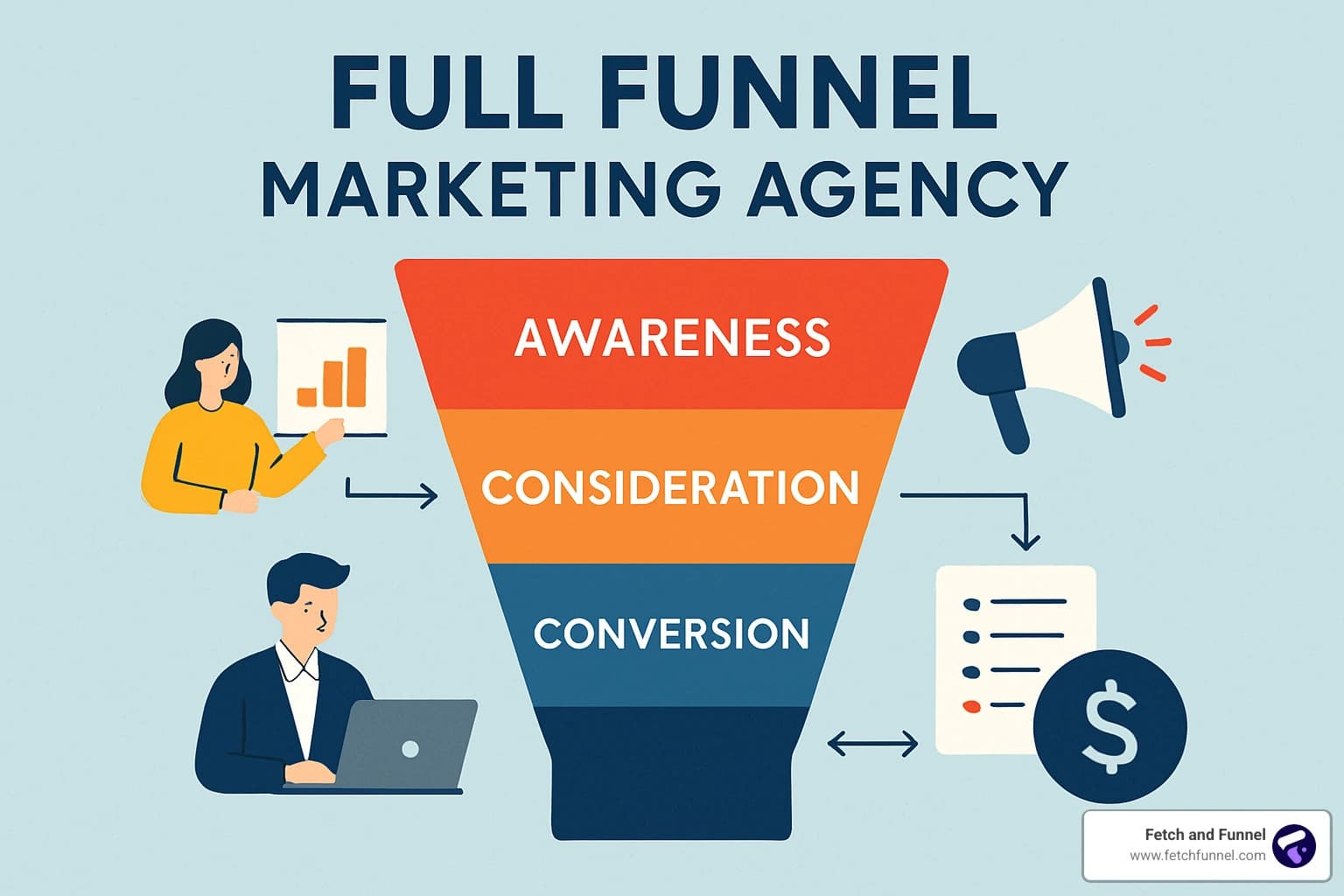
A regional dental clinic doesn't need a brand agency, a content studio, a media buyer, an SEO consultant, and a dev shop. It needs one invoice.
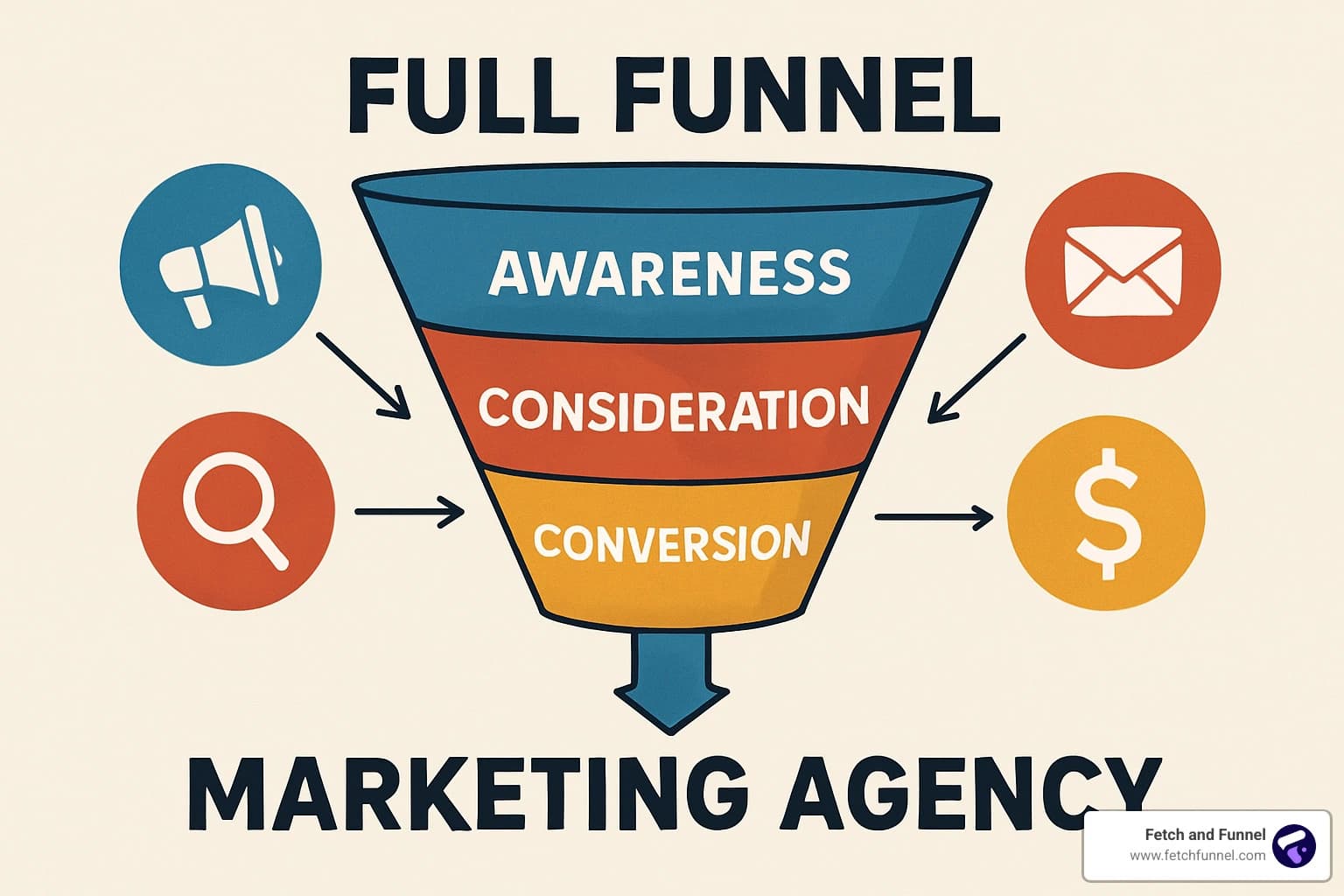
That's the math holding companies never solved, and most in-house teams can't afford to solve either. A local or niche brand with a six-figure marketing budget can't split that budget five ways and expect any single vendor to move fast enough to matter. The fix isn't more specialists. It's fewer invoices, more accountability, and one team that owns the whole funnel from brand identity through the last click.
Nine agencies are now building exactly that model for local and niche clients, according to Free Agency Media's tracking of the space. Not as a side offering bolted onto a brand practice. As the core product.
The Vendor Math Local Brands Can't Afford
The version of full-funnel that gets pitched in holding company decks looks like this: a brand strategy team in one office, a performance media team in another, a content studio subcontracted out, and a quarterly business review that reconciles all three. That model works at scale, when the client has a marketing department large enough to manage the handoffs. It falls apart the moment the client is a 40-location regional retailer or a single-location specialty clinic with one marketing hire and no patience for interagency Slack threads.
So a different kind of agency built a different kind of offer. The Union Ad Agency, founded in 2010, is one of them. JumpFly, founded in 2003, is another, and it's been running that model for 23 years. CIS Agency, Rule29, XI Studio, Brand Makers, ZiyadX, XO Media, and PMIDigitalPGH round out the nine shops Free Agency Media is tracking in this exact lane: local and niche brands that need brand identity, content, and performance media delivered as one system, not three line items.
The pattern isn't a coincidence. It's a response to a budget reality that holding companies were never built to serve, and that most in-house teams can't staff around.
Nine Agencies, One Packaging Strategy
What ties these nine together isn't size or location. It's the decision to sell the funnel, not the function.
CIS Agency's own positioning makes the pitch explicit: "Agency Solutions at Affordable Prices." That's not a tagline built for a Fortune 500 RFP. It's a tagline built for a client comparing the cost of one retainer against the cost of hiring a marketing coordinator, a freelance designer, and a paid media consultant separately. CIS Agency's site also features a client relationship that's run for "over 50 years" in West Michigan, a business old enough to have outlasted multiple marketing trends and found a reason to stay put with one agency instead of assembling a new vendor stack every few years.
JumpFly took the opposite entry point into the same model. It built its credibility on paid media first. The agency describes itself as a Google Premier Partner, a status it says is "reserved for the top 3% of agencies," giving it the kind of platform-level access, training, and support that smaller buyers can't get on their own. That's the performance half of the full-funnel pitch solved before the brand-and-content half even enters the conversation. Twenty-three years of operating that way is the kind of tenure that doesn't happen by accident. It happens because the model keeps closing.
Rule29 approaches the packaging question from brand identity outward instead of media inward. Its own language frames the work as infrastructure, not decoration: "Your brand isn't just about what you sell, it's about what you stand for," the agency states, adding that it designs "for the future, helping organizations like yours rise above the noise with meaning and momentum." That's a brand studio talking like a growth team, which is exactly the point. When brand identity gets framed as something that creates "momentum," it stops being a standalone deliverable and starts being the first stage of a funnel the agency intends to own all the way through.
What Fifteen and Twenty-Three Years of Productization Proves
Skeptics will call this a trend. The math says otherwise.
The Union Ad Agency has been operating since 2010. That's 16 years of refining a single-agency, full-stack model for clients who'd otherwise be stitching together vendors. JumpFly has been at it since 2003, 23 years of building Google Premier Partner-level paid media chops into a service that, by definition, has to connect to something upstream: the brand and content work that makes the ads worth clicking.
Neither of those tenures reads like opportunism. A shop that chased a buzzword wouldn't still be doing it two decades later. What reads instead is a slower, steadier signal: the productized full-funnel retainer isn't a 2025 innovation. It's a 2003-and-2010 bet that's finally catching up to where the budget conversation actually is in 2026.
That's the real story buried under the "full-funnel" language holding companies started using a few years ago to sell integration across their own fragmented agency networks. The independents didn't need the buzzword. They built the operating model first and let the market's vocabulary catch up to what they were already selling.
Affordable Pricing as the Full-Funnel Wedge
Price is doing more strategic work in this category than almost any other part of the pitch.
CIS Agency's "Affordable Prices" positioning isn't a discount strategy. It's a structural advantage against two different competitors at once. Against holding companies, affordability wins because a local or niche brand's budget was never going to clear the minimums that come with holdco overhead, account layers, and the staffing required to run a brand team, a media team, and a reporting team as three separate cost centers. Against in-house hiring, affordability wins because a single marketing coordinator salary doesn't buy brand strategy, content production, paid media management, and search execution. One retainer with one agency does.
That's the quiet reason the "one invoice" model keeps winning local and niche budgets that would otherwise go unserved entirely. These clients weren't choosing between a holding company and an independent. Most of them were choosing between an independent and nothing: no agency at all, just an overworked internal hire trying to run paid search on Tuesdays and manage the website on Thursdays. The nine agencies in this space aren't just taking share from competitors. They're converting a budget that used to go nowhere into a budget that goes somewhere.
Brand Identity Gets Reclassified as Funnel Infrastructure
The most important operational shift in this category isn't the pricing. It's the sequencing.
In the old agency-of-record model, brand identity was a finished deliverable: a logo, a style guide, a brand book, handed off to whoever ran the ads next. Rule29's framing rejects that sequence outright. The agency isn't positioning identity as the end of a project. It's positioning identity as the beginning of "momentum," language that only makes sense if the same team, or at minimum the same retainer, is still in the room when that identity gets turned into content and then into media spend.
That's the operational tell that separates a productized full-funnel offer from a brand studio that happens to also run ads. When the agency talks about identity in terms of what happens after it ships, not just what it looks like when it's delivered, the brand work has stopped being a creative deliverable and started being the first stage of a system. The Union Ad Agency's own promotional approach, a full-length video experience hosted on Vimeo rather than a static reel, points at the same instinct: identity and content aren't separate line items anymore. They're produced together, by the same team, because the funnel downstream depends on them matching.
Where the Productized Retainer Goes Next
None of this required a holding company's balance sheet. It required nine agencies deciding that the client's budget constraint was the product brief.
CIS Agency packaged affordability into the pitch. JumpFly packaged 23 years of Google Premier Partner access into the pitch. Rule29 packaged brand identity as a growth input instead of a static deliverable. The Union Ad Agency packaged 16 years of integrated production into a single retainer. XI Studio, Brand Makers, ZiyadX, XO Media, and PMIDigitalPGH are competing in the same lane, building their own versions of the same bet: that a local or niche brand doesn't want five vendors, it wants one team that treats the whole funnel as one system, not five functions.
The holding companies are still building org charts to explain integration to clients who've never once asked for an org chart. What those clients have asked for is a single number they can approve, a single team they can call, and a single result they can measure. Nine independent agencies figured out that the fastest way to win that budget wasn't to out-scale the holdcos. It was to out-package them. Expect the number of agencies running this model to climb well before the vocabulary around it ever catches up.
Free Agency Media Editorial
All news