The Zero-Search Category Where Indie Agencies Are Quietly Winning
Independent agencies are capturing the highest-margin retainers in the industry, brand systems, packaging, digital platforms, fleet design, and it's happening with almost no searchable footprint.


The Search Term That Nobody Types
Type "indie agency brand identity work" into Google right now and you'll get exactly what you'd expect: recycled listicles, agency directories padded with SEO filler, a handful of Clutch.co rankings nobody in the industry actually trusts. The keyword cluster around this shift, brand infrastructure work, packaging systems, fleet branding, embedded digital platforms, pulls a combined zero monthly searches across six tracked terms. Zero agencies show up competing for that traffic in any meaningful way.
That's not because the work doesn't exist. It's because the work doesn't need to be found.
Here's the paradox worth sitting with: the biggest shift in how independent agencies get hired right now produces almost no searchable footprint. A CMO doesn't Google "packaging design agency near me" to find the eight-person shop that just rebuilt her company's entire visual system across 40 markets. She got a referral from another CMO at a competitor. She saw the work in a boardroom deck, not a search result. The infrastructure retainer, the multi-year, embedded, strategic-partner relationship that used to belong exclusively to holding company networks and specialist design firms, doesn't advertise. It compounds quietly, one relationship at a time, until an entire category of high-margin work has shifted hands without anyone writing the story.
We're writing it now.
Four Categories, One Pattern
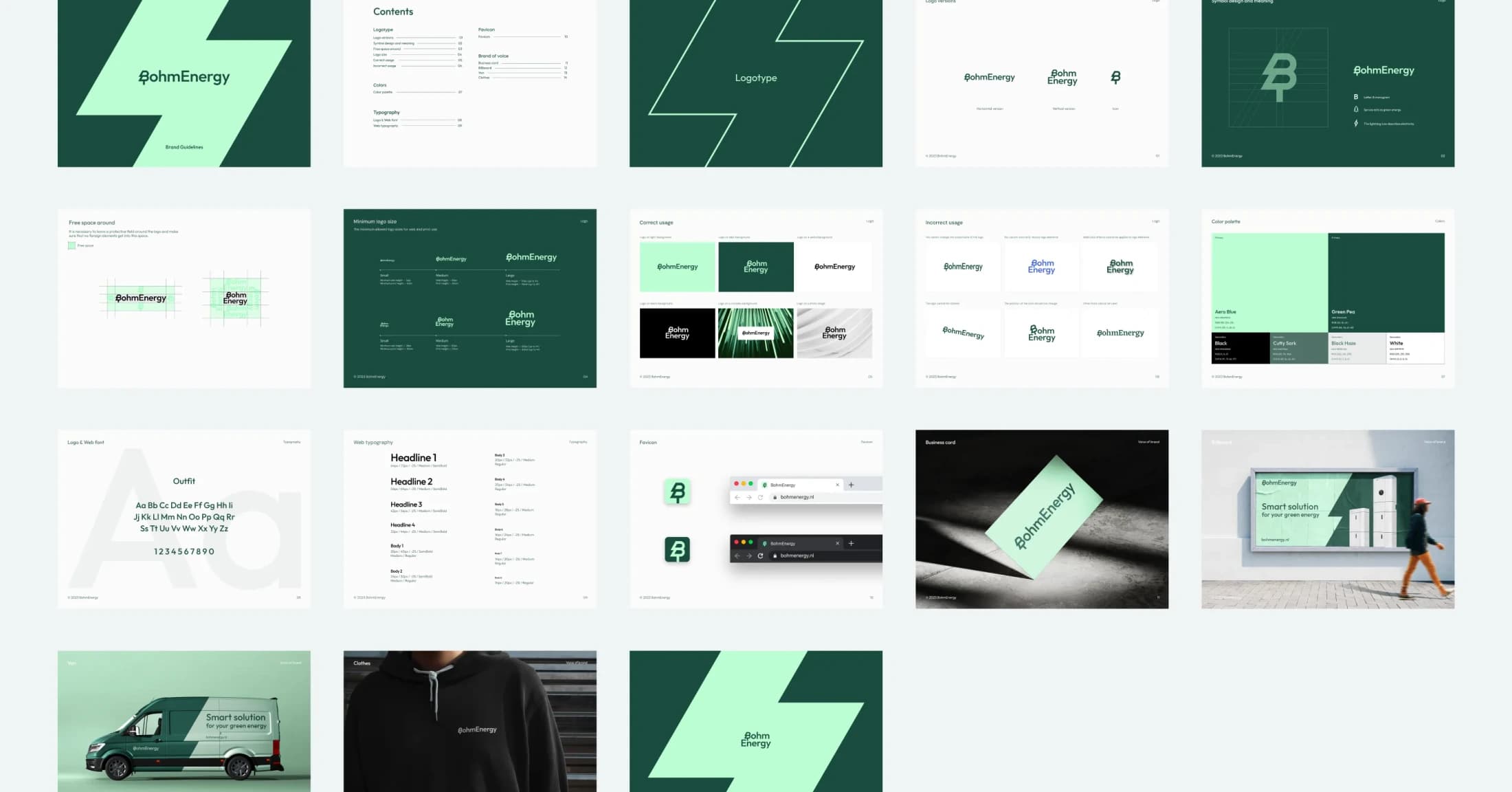
Strip away the marketing language and "brand infrastructure" breaks into four distinct disciplines: brand identity systems (the visual architecture a company runs on for years, not a single campaign cycle), packaging design (physical, tactile, retail-shelf work with production constraints campaign shops never touch), digital platform design (the actual website and product experience, not a landing page for a launch), and fleet or environmental design (trucks, storefronts, signage, the physical footprint of a brand in the world).
None of these are new categories. What's new is who's winning them.
For decades, this work sat with two kinds of shops: holding company networks with the scale to run global rollouts, and specialist design firms (think Pentagram-tier operations) with deep vertical expertise but no campaign muscle. Independent creative agencies, the kind built for 30-second spots and social campaigns, were structurally locked out. You don't win a packaging retainer with a reel of Super Bowl ads. You win it by proving you can manage a production timeline across 14 SKUs without missing a print deadline.
That wall is coming down. And it's coming down because the work itself has changed shape.
Brand identity today isn't a logo and a style guide sitting in a PDF nobody opens. It's a living system that has to flex across a website, a packaging line, a fleet of delivery vehicles, a retail environment, and a social feed, simultaneously, coherently, and fast. That's not a design project anymore. That's infrastructure. And infrastructure needs an owner who understands the whole system, not a vendor who executes one piece of it on a purchase order.
Why the Retainer Beats the Campaign
Here's the part that should matter most to anyone running an independent shop: infrastructure work pays differently than campaign work, and the difference isn't small.
A campaign retainer is a spike. Big budget, tight window, then silence until the next brief. It's feast or famine, and it forces agencies to constantly restock the pipeline just to keep the lights on. An infrastructure retainer is the opposite: lower monthly burn, dramatically longer duration, and a built-in expansion path. You don't win a brand system retainer and lose it in a quarter. You win it, and then you're the agency of record for packaging refreshes, environmental rollouts, and platform updates for years, because ripping out a brand system mid-flight is expensive and reputationally risky for the client. The switching cost is the moat.
This is the quiet economic engine behind the shift. Independent shops aren't just picking up interesting design work. They're picking up the highest-margin, longest-duration retainers in the entire industry, the kind that used to fund an entire holding company floor, and running them with a fraction of the overhead.
That's the strength frame, stated plainly: independence isn't surviving in this category. Independence is winning it, because a lean, embedded team can move at the speed the work actually requires, while a holding company network has to route a packaging change through three layers of account management and a legal review process built for a different era.
The Embedded Partner Replaces the Vendor
Ask any CMO who's lived through a holding company relationship what the actual friction point was, and you'll get some version of the same answer: too many hand-offs. The strategy team pitches one vision. The creative team executes a different one. The production team, often outsourced to a separate specialist entirely, delivers something that technically matches the brief and misses the point. Nobody in the room owns the whole system. Everybody owns a slice.
Independent shops picking up infrastructure retainers are selling the opposite model: one team, one point of accountability, embedded inside the client's operating rhythm rather than parachuting in for a quarterly campaign. That's not a nicer way to work. It's a structurally different value proposition, and it's the reason established brands are actively restructuring their agency rosters around it.
The pattern shows up as a roster shape, not a single hire. A brand keeps a holding company network for media buying and scaled production where sheer volume matters. It keeps a specialist for legal-heavy categories like pharma or finance where regulatory expertise is non-negotiable. And increasingly, it hands the actual brand system, the thing that has to be coherent everywhere the brand shows up, to an independent partner small enough to know every SKU, every touchpoint, every constraint, without needing a briefing document to remember it.
That's not a downgrade for the independent shop. That's the seat at the table that used to be reserved for the network.
What the Zero-Volume Data Actually Tells Us
Go back to that keyword cluster for a second, because the zero isn't a dead end. It's the clearest signal in this entire piece.
When a category has zero competitive search volume and zero agencies visibly optimizing for it, that tells you the market for this work isn't happening on Google. It's happening in rooms. It's happening through existing relationships, board introductions, and reputational word-of-mouth between CMOs who talk to each other more than any of them would publicly admit. The agencies winning these retainers aren't investing in SEO for "packaging design agency" because they don't need the traffic. They're already booked.
That's a different kind of verification than a search ranking, but it's verification nonetheless. An agency holding a multi-year infrastructure retainer with an established brand didn't win it through a cold RFP response. It won it because the work itself was the pitch: a previous project, a previous client, a previous CMO now sitting in a new seat and making a call.
This is precisely why the "beyond social" framing matters. Indie shops driving core brand infrastructure aren't an extension of social-first creative shops picking up bigger briefs. They're a distinct category of operator, one whose value proposition was never about campaign virality in the first place. Social indie shops compete on cultural fluency and turnaround speed. Infrastructure-focused independents compete on systems thinking and production discipline. The overlap is smaller than the industry conversation assumes, and conflating the two undersells what's actually happening: a genuine restructuring of where established brands put their most durable, highest-stakes creative decisions.
What We Don't Know Yet
Here's where binary clarity matters more than confidence for its own sake: we don't have a directory-verified list of ten named independent shops running eight-figure infrastructure retainers to hand you in this piece, and we're not going to invent one to make the story feel more finished. What we have is a search and competitive landscape that's returning nothing, which is itself evidence that this shift is real and under-covered, not evidence that it isn't happening.
What we do know: the categories of work (brand systems, packaging, digital platforms, environmental and fleet design) are structurally suited to lean, embedded teams in a way campaign work never was. We know the economics favor long-duration retainers over campaign spikes, and that favors whoever can operate profitably at lower overhead, which independents structurally can. And we know that when an entire keyword category shows zero competitive activity, it usually means the real activity is happening through referral networks invisible to search, which is exactly how embedded, trust-based retainers get won.
The agencies who will define this category over the next few years are, by definition, not optimizing to be found right now. They're optimizing to be recommended. That's a harder thing to track, and it's exactly why nobody's written this story with a tidy list of names yet. Somebody will, soon, once enough of these embedded relationships surface publicly through case studies and award submissions instead of quiet renewals.
Where This Goes Next
The next 18 to 24 months will separate two kinds of independent shops: the ones still pitching campaigns against holding company networks on the network's home turf, and the ones quietly building the infrastructure retainers that make an agency indispensable rather than interchangeable. The second group won't be competing on reel quality alone. They'll be competing on operational trust, the kind that gets a brand system handed to an eight-person team instead of a 200-person network floor.
Expect the keyword data to catch up eventually, because it always does once a category matures enough that agencies start competing publicly for the work instead of winning it through referral alone. When that happens, watch for search volume to climb on terms like "brand systems agency" and "embedded creative partner" as independents start naming this category out loud instead of just doing the work inside it.
Until then, the absence of noise is the story. The shops doing this work aren't shouting about it. They're too busy running the retainer, and the next one that's already in the pipeline.
Free Agency Media Editorial
All news