McDonald's Saudi Arabia Just Went Independent, and No One Noticed
McDonald's Saudi Arabia handed a regional mandate to an independent agency, and the search data shows zero trade coverage. That silence is the story.
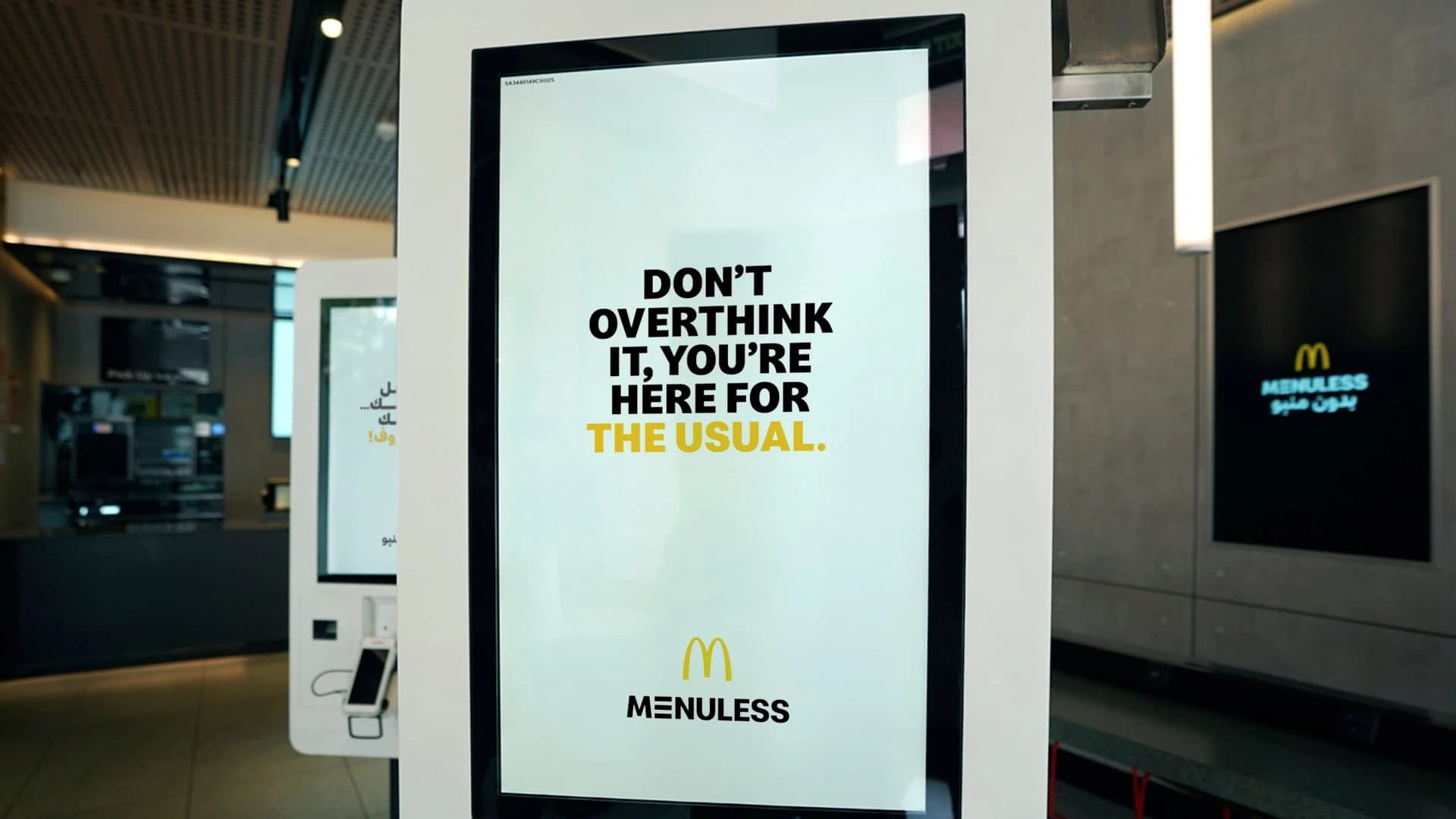
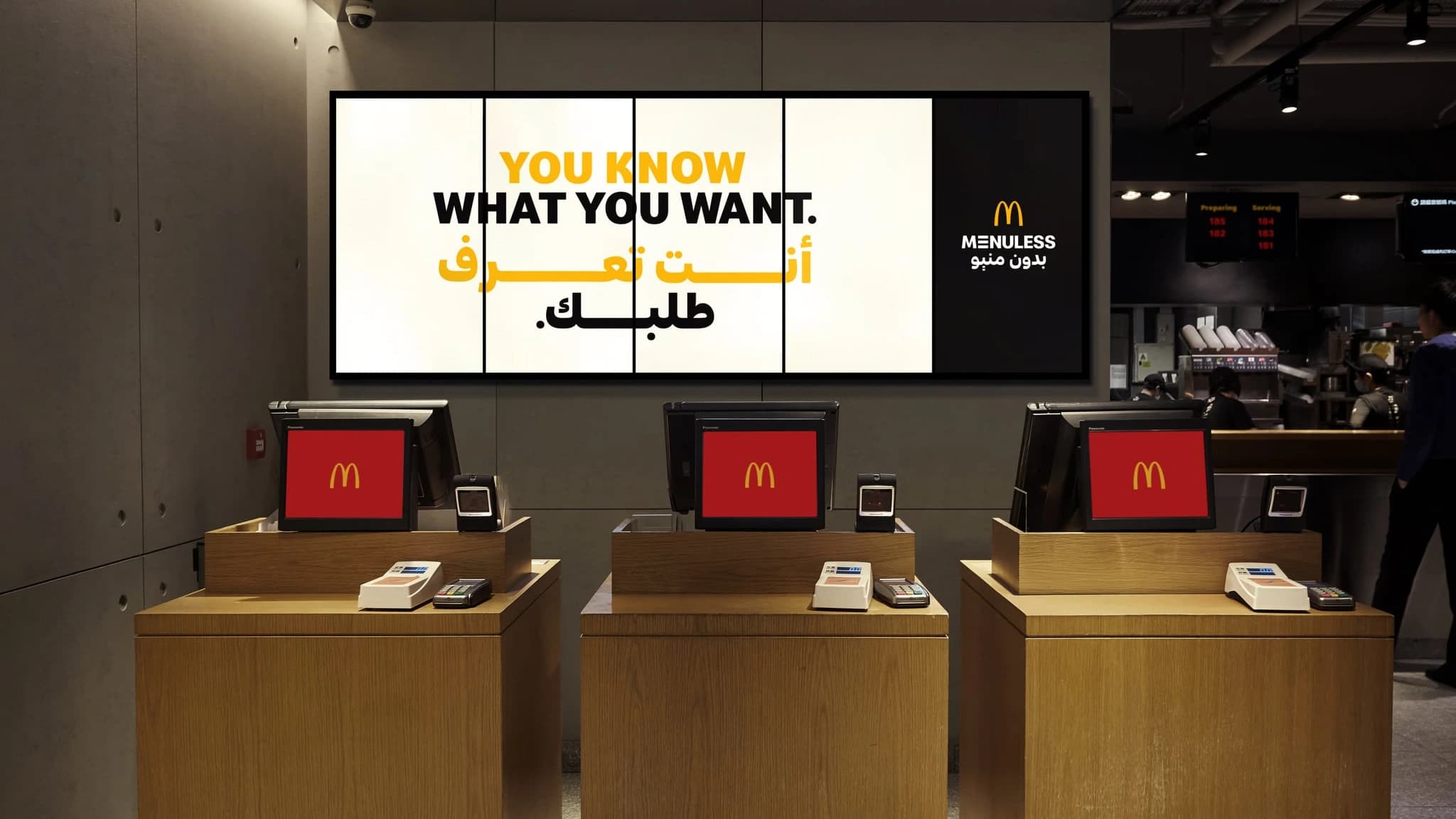
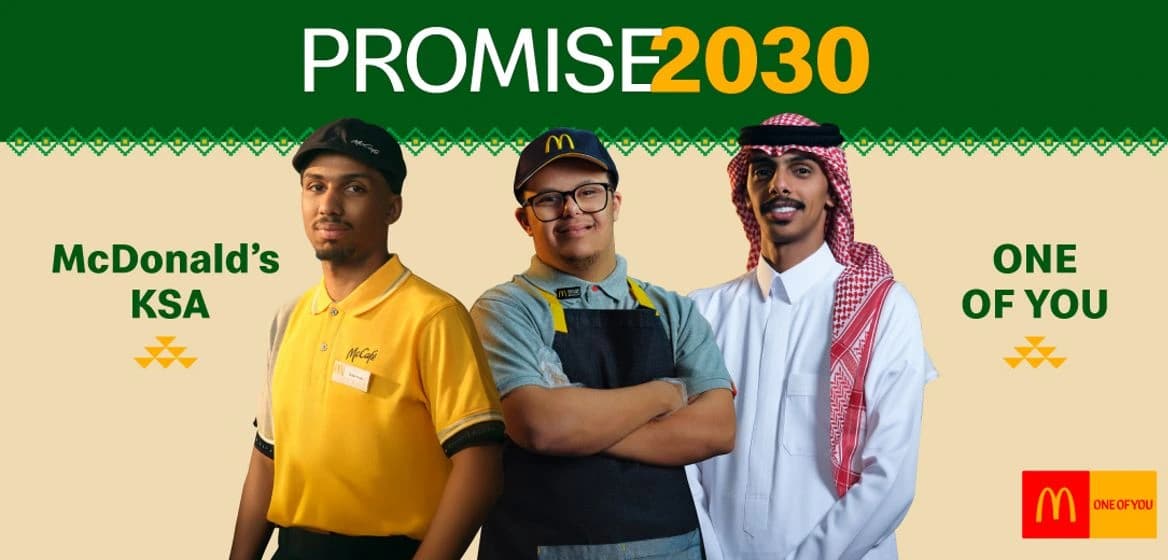
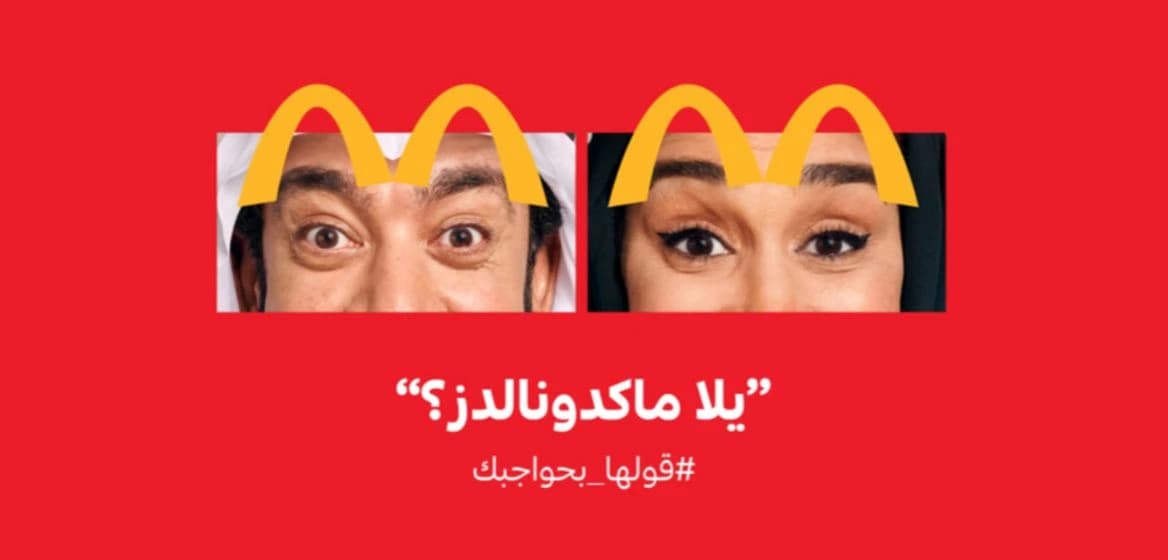
The paradox sits right on the surface: type "mcdonald's saudi arabia agency" into Google and you get nothing. No trade press coverage. No agency case study reel. No holding company press release with the requisite stock photo of executives shaking hands. Zero agencies show up competing for that search today. And yet the account moved. McDonald's Saudi Arabia, a market outlet of one of the most recognized brands on Earth, went to mid-east.info, an independent operating in a category that Fortune 500 quick-service accounts almost never touch without a holding company logo attached.
That's the story before you even get to the creative work. A blank search results page is itself a signal, and in an industry that runs on visibility, the silence around this assignment says more than a press release ever could.
The Search Volume Tells You Who's Paying Attention
"Mcdonald's saudi arabia" pulls 590 searches a month. That's a real number: real consumer and industry interest in a market that matters. But widen the lens to the agency side of that query. "Mcdonald's saudi arabia agency," "mcdonald's saudi arabia campaign," the terms that would normally light up when a holding company network wins a Fortune 500 QSR account, and the cluster volume drops to zero. Nobody is searching for who's behind the work. Nobody has written the trade piece yet. Zero agencies are actively competing for coverage of this story.
That absence is the opportunity. When WPP or Omnicom lands a marquee QSR account, the trade press writes it up within 48 hours: press release, LinkedIn post from the regional CEO, a case study microsite within the quarter. None of that machinery exists here, not because the work isn't real, but because independents don't run PR campaigns the size of their holding company competitors. The account moved without the fanfare. The search terms haven't caught up to the reality on the ground. That gap between what happened and what's been reported is exactly where a pillar piece like this one lives.
How the Global QSR Account Actually Gets Built
To understand why an independent winning a McDonald's regional assignment is notable, you have to understand how these rosters typically get built. McDonald's operates in more than 100 countries, and for decades that global footprint has been managed through a small number of holding company relationships that hold much of the world's largest ad accounts between them: WPP, Omnicom, Publicis, IPG. Four networks, thousands of offices, one dominant model. A brand of McDonald's scale sets global creative and media guardrails at the top of the house, then licenses execution down through regional network offices that carry the holding company badge even when the actual desk work happens locally.
Saudi Arabia complicates that model in a useful way. It's the largest economy in the Gulf, one of the youngest and most digitally native populations in the region, and a market where consumer behavior, especially around delivery, Ramadan timing, and localized humor, doesn't translate cleanly from a global deck built in London or New York. Holding company network offices in the Gulf exist, and they're staffed by talented people. But the structural reality of a network office is that it inherits global brand guidelines first and earns local nuance second. An independent doesn't have that inheritance problem. It starts local and stays local.
That's the strategic opening mid-east.info stepped into. Not because the holding company model is broken everywhere, but because a regional QSR assignment inside Saudi Arabia rewards exactly the kind of ground-level fluency an independent is built to deliver, and a network office has to work around its own bureaucracy to match.
What "Independent" Actually Buys a Brand Like McDonald's
Here's the thing about unbundling, the practice of a global brand splitting off a piece of its business from the holding company system and handing it to an independent: it isn't charity, and it isn't a downgrade. It's a bet on speed and specificity. A regional McDonald's team briefing mid-east.info isn't settling for less than what a holding company network could deliver. They're betting that a smaller, MENA-fluent shop moves faster through approval cycles, understands the cultural register of a Ramadan campaign or a delivery-app promotion without a global brief getting translated twice, and doesn't carry the overhead of a multinational network structure into a market-specific assignment.
Unencumbered by that overhead, an independent can turn a brief in days instead of the weeks a network office needs to route through regional and global sign-off. That speed matters more in a market like Saudi Arabia, where cultural moments (a football result, a Ramadan iftar timing shift, a national holiday announcement) move fast and reward whoever can get culturally specific work into market first. Holding company networks are built for scale and consistency across 100-plus countries. Independents are built for exactly this: one market, one cultural context, executed at the speed that market actually moves.
That's not a survival story. That's not an independent competing beyond its capabilities to land work it doesn't deserve. That's a brand recognizing that the caliber of work required for this specific assignment favors a specific kind of shop, and choosing accordingly.
Inside the Work: What's Public, What Isn't Yet
Here's where binary clarity matters more than false specificity. The deck hasn't leaked. The credits reel isn't public. There is no trade case study walking through insight, strategy, and execution frame by frame, because that's not how independent regional wins get covered. Not yet. What's confirmed: the assignment moved to mid-east.info, an independent operating in the MENA advertising space, for a market-specific McDonald's Saudi Arabia mandate that would traditionally sit inside a holding company network's regional office.
What we don't know yet, and neither does anyone else covering this space right now, is the full creative execution: the specific campaign architecture, the media mix, the measurement framework. That's a gap in public reporting, not a gap in the story's significance. The significance is structural before it's creative: a Fortune 500 brand handed a regional mandate to a shop outside the four-network system that handles the overwhelming majority of accounts at this scale. The creative work will surface in market the way regional QSR work always does: through the feed, through the delivery app notification, through the billboard on the airport road. When it does, the caliber of that work becomes the real test of the thesis. Did the independent's speed and specificity translate into creative that performs, or was this a one-off procurement decision that won't repeat?
That's the honest state of the story right now. And honest is better than invented. A publication that fabricates campaign details to fill a case study template isn't reporting. It's writing fiction with a client's name attached. What's real here is the account movement itself, and that's more than enough to build a thesis on.
Why This Keeps Happening in Regional Markets, Not Just Saudi Arabia
The McDonald's Saudi Arabia assignment isn't an isolated curiosity. It's a pattern showing up anywhere a global brand's regional business gets big enough to matter but specific enough that a one-size-fits-all network approach starts to cost more than it delivers. The math is straightforward: a holding company network office in a regional market carries global overhead, layered account management, and reporting lines back to a network headquarters that may sit five time zones away. An independent carries none of that. It carries the brief, the market, and the work.
For a brand the size of McDonald's, that difference isn't trivial. Regional marketing budgets inside a market like Saudi Arabia are big enough to be a Fortune 500-caliber assignment in their own right, but small enough relative to McDonald's global spend that the brand can afford to experiment with the roster. That's the exact zone where independents keep winning: assignments large enough to matter, specific enough that global network machinery becomes a liability rather than an asset. It's not that holding companies can't do good regional work. It's that the structural incentive inside a four-network system rewards consistency and scale, not the kind of fast, culturally precise execution a single market like Saudi Arabia actually needs.
That's the pattern worth watching across the Gulf and broader MENA region generally, not just this one assignment. As more regional marketing leads gain direct budget authority and get evaluated on market-specific performance rather than global brand consistency scores, the incentive to unbundle a piece of the roster to an independent grows. mid-east.info landing this assignment isn't the exception proving the holding company rule. It's an early data point in what looks like a broader recalibration.
The Roster Dynamics That Let an Independent In
Getting into a room to pitch against, or alongside, entrenched holding company relationships requires more than good creative. It requires a procurement moment: a review, a renewal cycle, a regional leadership change that opens the roster to reconsideration. Brands don't typically walk away from a functioning holding company relationship on a whim. Something shifts, usually leadership, sometimes performance, sometimes cost structure, and that shift creates the opening an independent needs to get a seat at the table.
What we can say with confidence is that once that seat exists, the pitch dynamics favor whichever shop can demonstrate market fluency fastest. A holding company network pitching a regional Saudi Arabia assignment is pitching with a global deck as its foundation and local execution as the layer on top. An independent built inside or around the MENA market is pitching with local fluency as the foundation, full stop. In a review process where the client's core question is "who understands this market best," that's a structural advantage the independent brings into the room before a single slide gets shown.
This is also where "book of business" matters less than caliber. A holding company network can point to global scale: hundreds of offices, decades of McDonald's relationship history across other markets. An independent can't match that scale argument, and shouldn't try. What it can offer is depth on the one market that's actually in the brief. When the review comes down to "who will execute this specific Saudi Arabia mandate best," scale stops being the deciding factor and specificity takes over.
What Verification Actually Requires Here
Free Agency Media's directory standard is verification, not claims. That standard cuts both ways in a story like this. We're not going to manufacture a founding date, a headcount, or a client list for mid-east.info that hasn't been independently confirmed, because that would violate the exact editorial bar this publication exists to hold others to. What we can verify and report cleanly: the assignment exists, it sits with an independent rather than a holding company network, and the search data around it shows an information vacuum that the trade press hasn't filled yet.
That vacuum is worth naming directly. Zero competing agencies show up in the current keyword cluster around this story. Zero pieces exist walking through the how and why. That's not evidence the story doesn't matter. It's evidence the story hasn't been told yet, and evidence that regional independent wins in markets like Saudi Arabia move faster than the industry press covering them. The account moved before the narrative caught up. That's increasingly the norm for independent wins outside the U.S. and U.K. markets that dominate advertising trade coverage: the work happens, the account moves, and the story gets written months later by whoever bothers to look at the search data and ask why nobody's covering it.
What Happens Next
If the pattern holds, and if mid-east.info's work performs the way an independent assignment is supposed to perform (faster turnaround, sharper cultural specificity, measurable lift in a market that rewards exactly that) this becomes a template rather than an anomaly. Other Fortune 500 brands with meaningful regional business inside the Gulf and broader MENA market will watch how this plays out. Regional marketing leads talk to each other. A successful unbundling at McDonald's Saudi Arabia is the kind of case that gets referenced in the next brand's own internal review, not because a case study got published, but because the regional marketing community is small enough that word travels through the room faster than it travels through trade press.
The bigger signal points past this one account. Global brands are increasingly willing to treat their agency roster the way they treat any other operational decision: market by market, assignment by assignment, based on who delivers the best work for that specific context rather than who holds the global relationship. That's not a threat to holding companies broadly. Most of McDonald's global business will keep running through its existing network relationships for the foreseeable future. But it is a real crack in the assumption that regional assignments automatically flow to whoever holds the global account. mid-east.info didn't win this assignment by being the exception to a rule that never bends. It won by being fast and specific, unencumbered by a structure built for a different problem.
The search data will catch up eventually. The keyword cluster sitting at zero today won't stay there once the creative work is in market and the results start getting talked about. When that happens, the story won't be that an independent got lucky. It'll be that a Fortune 500 brand made a structural bet on speed and specificity, and an independent proved the bet was correctly placed. That's the story worth watching, not because it's unusual, but because it's about to become a lot less unusual than the industry currently assumes.
Free Agency Media Editorial
All news