Meiji Hello Panda Skipped the Holding Companies for Raindrop
A legacy global snack brand just picked an independent agency over the holding companies built to serve it. The keyword data hasn't caught up yet, but the shift it signals already has.
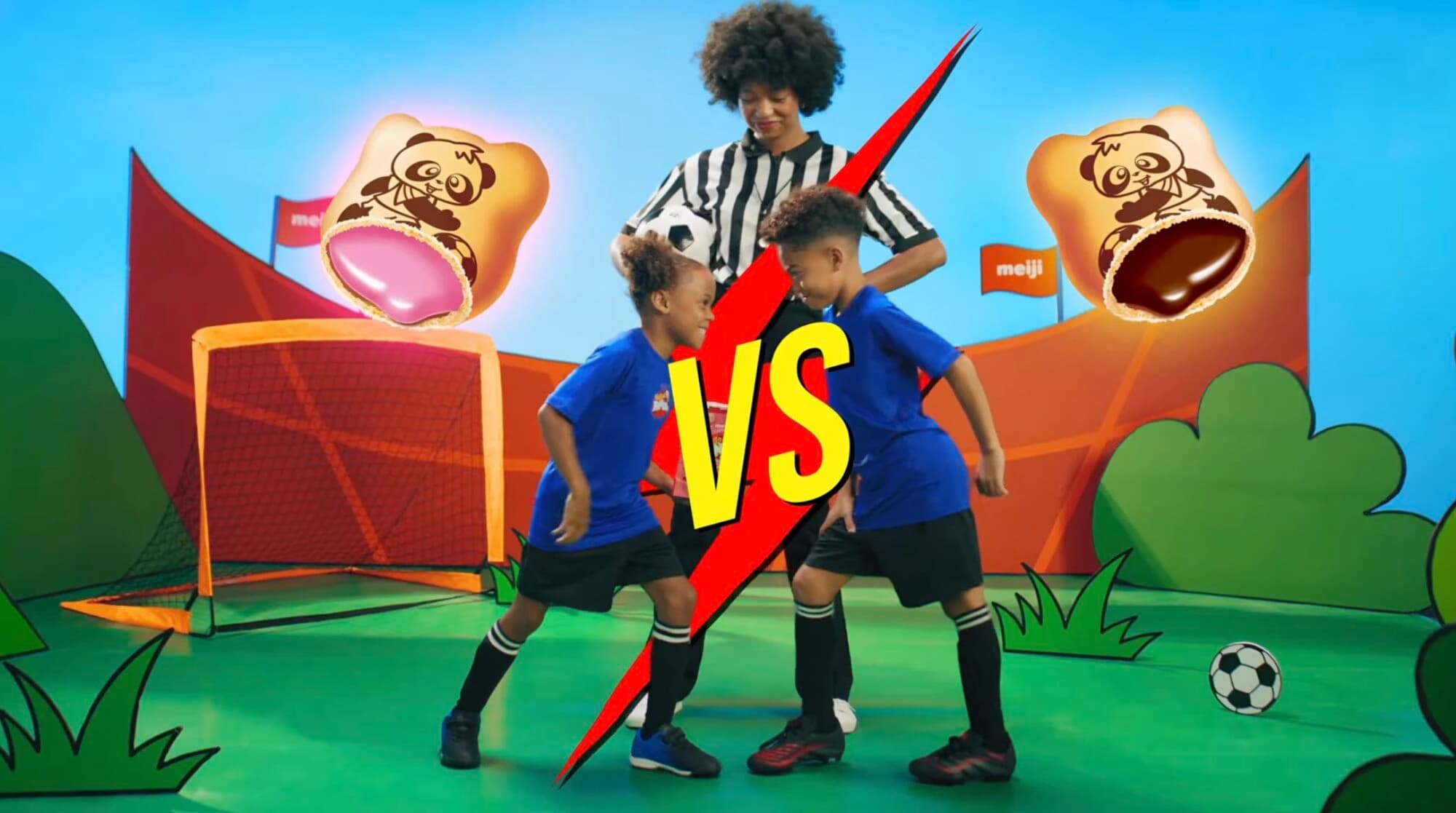
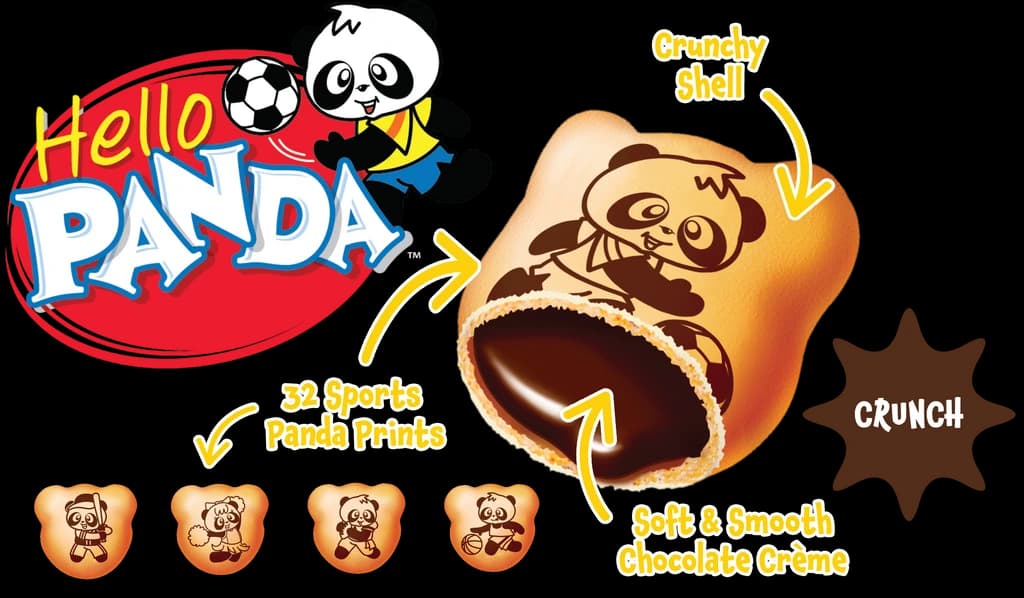
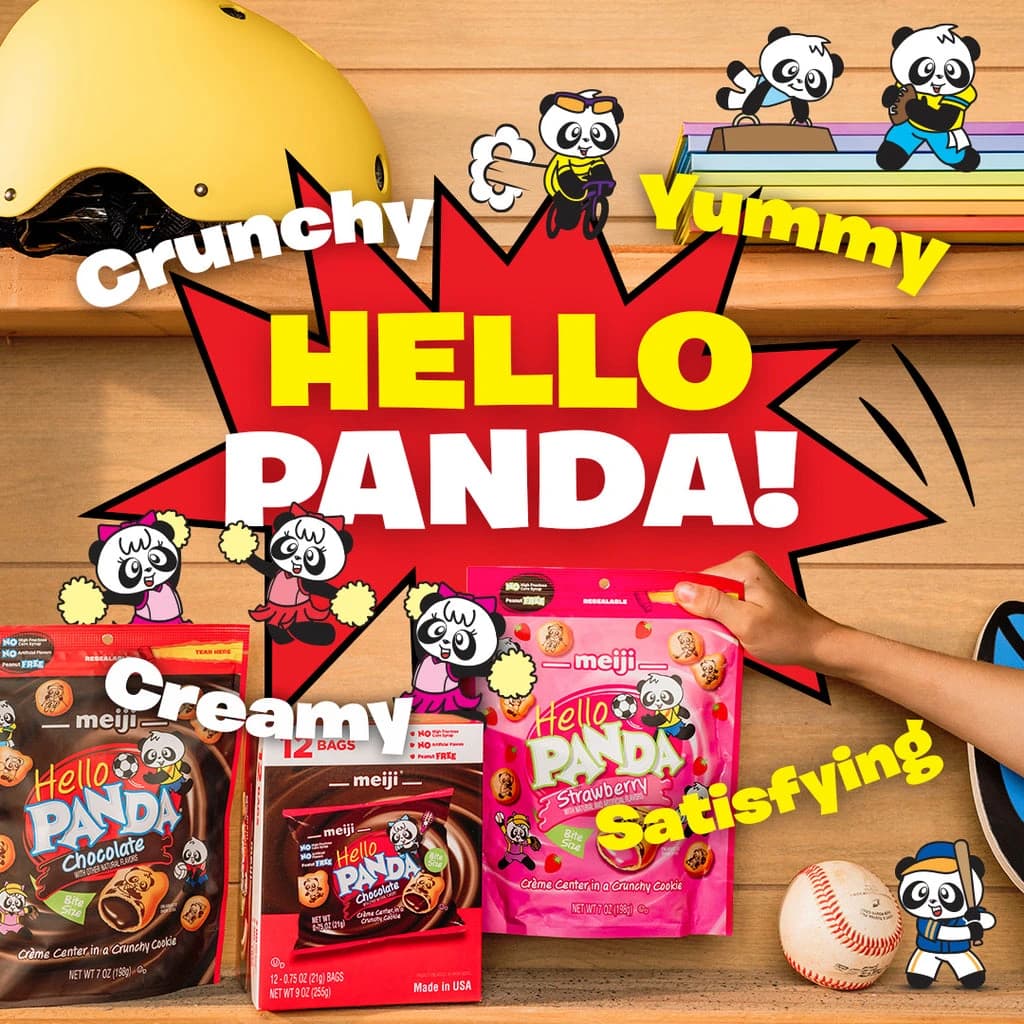
Meiji Hello Panda has spent decades on store shelves across dozens of countries, distributed through exactly the kind of global network that holding companies were built to manage. So when Meiji went looking for the agency to shape the brand's next chapter, the obvious move was to call one of the six holding companies with the infrastructure to match Hello Panda's footprint. That is not what happened. Meiji called Raindrop. No network. No global media trading desk. No account sitting inside a larger portfolio of conflicting snack brands. Just an independent shop, and a decision that says more about where the industry is heading than most trend reports published this year.
That is the paradox at the center of this story: a legacy global snack brand, built for scale, chose the agency without the scale to match it. And the fact that almost nobody has written about it yet is itself part of the story.
Five Keywords, Zero Volume: The Data Behind an Undercovered Win
Here is what the keyword data shows right now: five tracked terms in this cluster, "meiji hello panda," "meiji hello panda agency," "meiji hello panda campaign," "independent agency wins," and "brand agency relationship," combine for zero search volume. The target term, "hello panda taps," clocks zero monthly searches. Zero agencies currently show up competing for visibility in this space.
That is not a sign the story doesn't matter. It's a sign the story hasn't been indexed yet. Search volume is a lagging indicator. It measures what people are already curious about, not what's about to become the thing everyone in the industry is talking about. A cluster sitting at zero volume today, covering a real account move that already happened, is exactly what a story looks like in the window between "it happened" and "the industry noticed." Right now, Meiji Hello Panda taps Raindrop, and the search engines have no idea.
This is the gap AdAge-style press-release rewrites tend to miss. They cover the account moves that come with a press release attached, the ones the holding companies want covered because the narrative flatters the network. An independent landing a global snack brand doesn't come with that machine behind it. There's no comms team pushing the story into six trade outlets simultaneously. There's just the work, and the fact that a Fortune 500-adjacent global food company decided an indie shop was the better bet. Publications built to rewrite press releases can't cover a story that doesn't generate one. Publications built to track signal can.
That is what "panda taps Raindrop" represents right now: a signal ahead of the index. And the index always catches up.
Why Holding Company Incumbents Lose Category Reviews Like This One
To understand why an account like this ends up outside the holding company system, you have to understand how these reviews actually run. A global snack brand review typically narrows to three or four finalists before a single presentation gets made. In categories like packaged food, that shortlist has historically leaned holdco by default, because scale used to be the entire pitch: global media buying power, in-market production networks, the ability to localize a campaign across a dozen markets without missing a beat.
That default is breaking down, and it's breaking down for a specific reason. The thing brands are actually buying in a pitch isn't infrastructure anymore. It's the work. A holding company network can promise coverage across 40 markets. It cannot promise that the creative in the deck is the best creative available for the brief. Those are two different pitches, and increasingly, brands are optimizing for the second one.
Most CPG marketers run a review process on a 90 to 120 day timeline: briefing, chemistry meetings, a narrowed shortlist, a final round, a decision. That window is short enough that an independent shop with a sharp point of view and a tight creative team can move through it without the internal friction a holding company agency deals with by default: layers of network sign-off, resourcing conversations across departments, media and creative sitting in separate P&Ls that have to be stitched together for a single presentation. Independence isn't winning this kind of review because it's the smaller player. It's winning because it's faster to say yes, faster to staff, and faster to get a genuinely sharp idea in front of a client without six people softening it on the way there.
Meiji didn't choose Raindrop because the shop couldn't afford a holding company's overhead. Meiji chose Raindrop because the brief needed speed and a clear point of view, and that's exactly what an independent structure is built to deliver.
What the Hello Panda Assignment Says About Raindrop's Position in the Market
An account is a positioning statement whether an agency writes it down or not. Hello Panda is not a startup brand looking for disruption for its own sake. It's a legacy product with real shelf equity in a crowded global snack aisle, looking for an agency that can modernize the brand's presence without erasing what already works. That is a specific kind of brief. It doesn't go to a shop chasing viral stunts. It goes to a shop that can be trusted with an asset that already has decades of consumer recognition built in.
Landing that kind of assignment tells you something about how Raindrop is being read in the market: not as an insurgent chasing challenger brands with nothing to lose, but as a shop capable of handling a brand with an existing global footprint and real category stakes. That's a different tier of trust than the one independents are usually assumed to operate in. The old assumption was that legacy brands go to holding companies for stability and challenger brands go to independents for edge. Hello Panda taps Raindrop, and that assumption stops holding.
This is where the industry's "strength, not survival" framing actually earns its keep. Raindrop isn't in this account because it was the affordable option or the smaller name in the room compared to the incumbents. It's in this account because, somewhere in a 90-to-120-day review, a room full of decision-makers at one of Japan's largest food companies, a company with roots stretching back more than a century, decided the work Raindrop could produce was the strongest option on the table. Independence didn't get Raindrop into the room as a long shot. Independence is why the room chose them.
The Conflict Grid Problem Holdcos Can't Escape
There's a structural detail in category reviews like this one that rarely makes it into the trade coverage: conflict. Holding companies operate networks with dozens of agencies under one roof, and those agencies collectively serve an enormous book of business across every category imaginable. Snacks, confectionery, packaged food: this is exactly the kind of category where a network's existing client roster becomes a liability instead of an asset. If a holding company already has a competing snack brand sitting inside one of its network agencies, the conflict grid rules that network out of the review before a single deck gets built. It doesn't matter how good the agency pitching would have been. The client relationship is already spoken for somewhere else in the building.
Independent agencies don't carry that baggage. Raindrop isn't managing a conflict grid across six sister agencies and a holding company's global client roster. There's one book of business to check, not a network's worth. That single structural fact quietly removes some of the biggest names in advertising from consideration before the review even starts, and it's rarely the reason cited when an indie wins. The trade press writes "the work won." The conflict grid is the reason the work got a chance to be judged at all.
This is the part of holding company structure that holding company narratives never volunteer. Scale is supposed to be the advantage. In categories crowded with competing brands, scale becomes the disqualifier.
What Challenger Brands Should Take From This
The audience paying closest attention to a story like this one isn't other agencies. It's the marketers at brands that haven't run a review yet. Six major holding companies still dominate the conversation around what a "safe" agency choice looks like, and that instinct is worth examining every time a legacy brand with real global reach picks an independent and the work holds up.
What this signals to a CMO shopping for an agency outside the holdco system is straightforward: independence is no longer a category-specific bet reserved for beverage startups and direct-to-consumer brands with nothing to lose. It's a viable option for a brand with decades of shelf presence and distribution across dozens of markets. The infrastructure argument that used to close every conversation in favor of the network doesn't hold the same weight it did five years ago. Media buying can be built around any structure. The idea can't be manufactured by adding headcount.
The brands paying attention here aren't looking for a feel-good narrative. They're looking for the shop most likely to produce work that gets talked about, and increasingly, that shop doesn't come with a network attached. Hello Panda taps Raindrop, and the message to every other marketer running a review this year is the same one: the constraint that used to rule independents out of category reviews like this doesn't apply anymore. The question isn't whether an indie can handle a global account. It's whether the holdco pitching against them can move as fast, care as much, and show up with an idea nobody else in the room already had.
Where This Goes From Here
Right now, this story sits exactly where every good indie win sits before the industry catches up to it: verified, undercovered, and sitting at zero search volume. That won't last. As the campaign Raindrop built for Meiji rolls out and the work starts doing what good work does, the keyword data will move. "Meiji Hello Panda agency" will start pulling searches. "Independent agency wins" will start showing competing shops in the results, because more marketers will be typing that exact phrase into Google after watching this account move.
The bigger pattern worth tracking isn't this single account. It's what happens the next time a legacy global brand with a crowded conflict grid and real shelf-space legacy runs a review. If Hello Panda taps Raindrop and the work performs, that review just got a data point the last one didn't have: proof that a brand this size, with this much history, can hand its next chapter to a shop with none of the network infrastructure holding companies have spent decades convincing the industry is non-negotiable.
It isn't. It never fully was. Meiji just made that fact a little harder to ignore, and the next brand watching this play out won't need convincing twice.
Free Agency Media Editorial
All news