The PR Search Data Reveals a Category Nobody's Built Yet
Zero agencies are mapped against a 5,280-search monthly cluster spanning LA, Boston, and DC. That gap is either a dead zone or the biggest opening in independent PR right now.
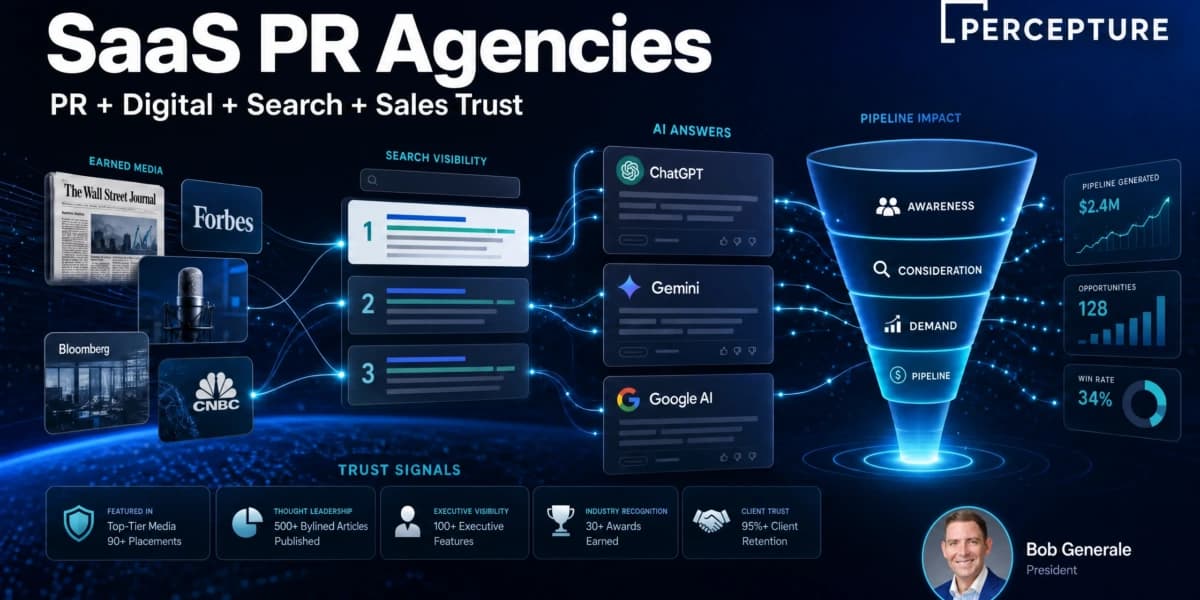
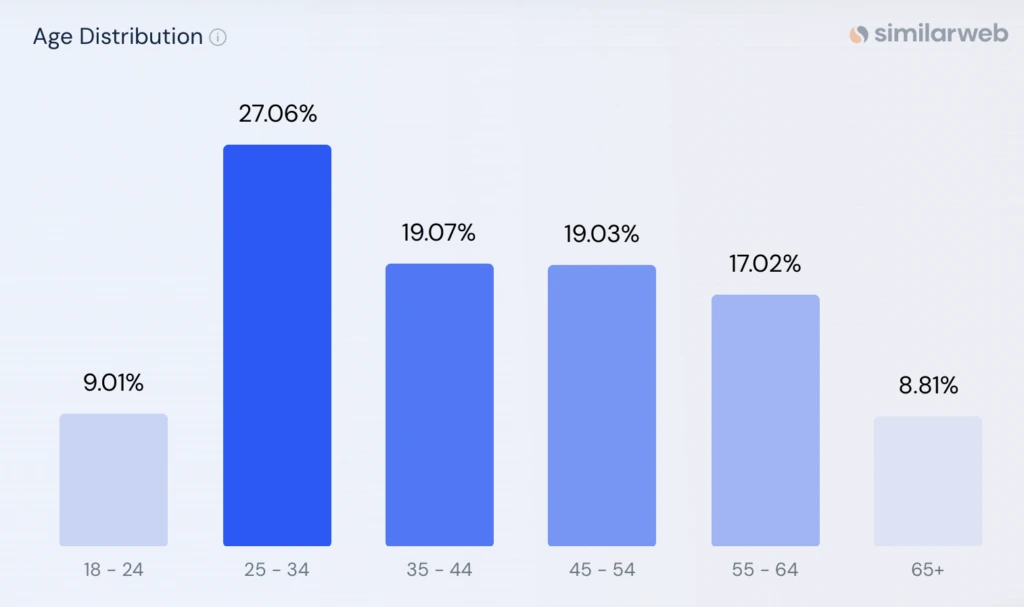
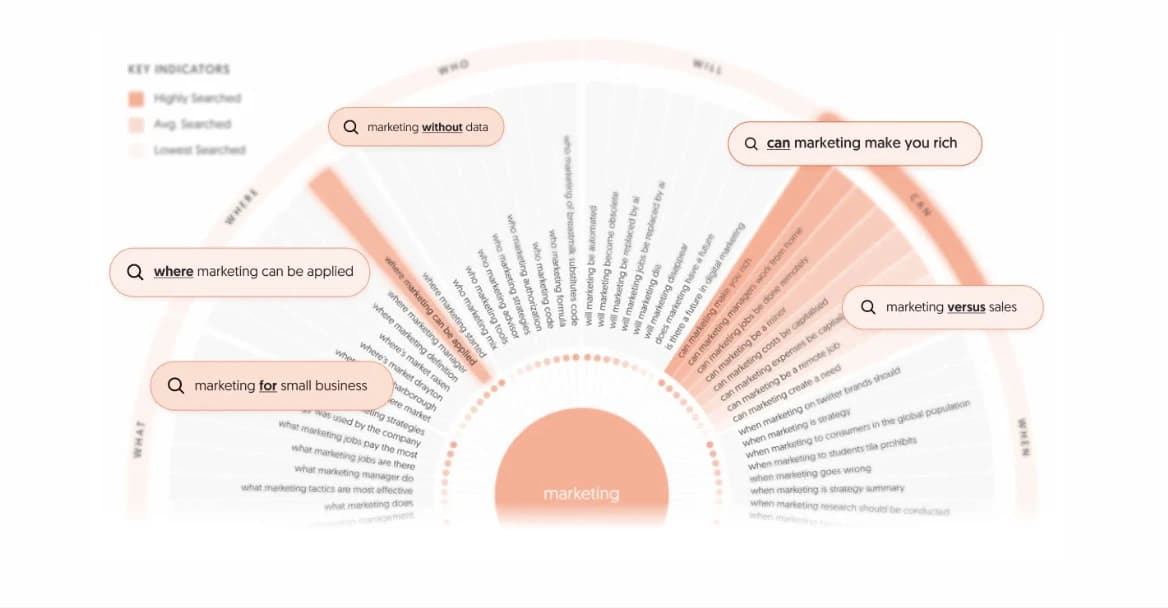
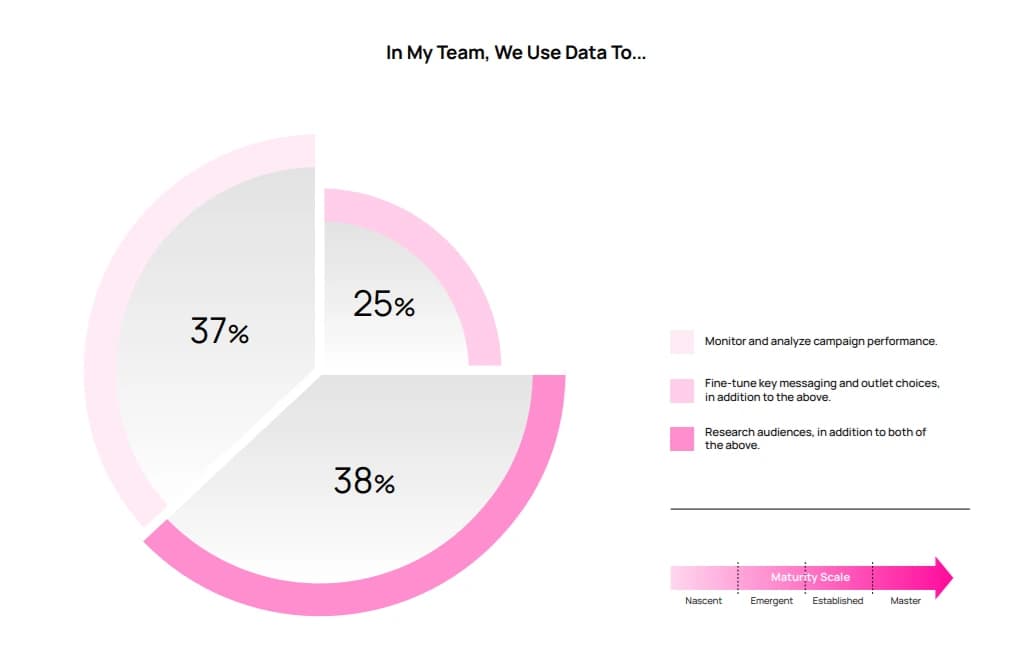
Six keywords. Three cities. Zero agencies currently mapped in the space by anyone tracking it. Meanwhile, 5,280 people a month are typing some version of "public relations agency" into Google with an intent that used to have a clean answer and doesn't anymore.
That's the paradox sitting inside the PR search data right now. Paid media costs are climbing across every platform that matters. Organic reach on owned channels keeps sliding toward zero for anyone not paying to boost it. The instinct is to assume this squeezes PR agencies out, since press coverage and media relations don't show up on a CPM chart. Instead, the opposite is happening. The search behavior shows buyers who no longer separate "PR" from "advertising" in their heads. Independent communications shops are the ones restructuring fastest to meet them there.
Six Keywords, Zero Agencies Mapped
Start with the cluster itself: "public relations agencies in los angeles," "public relations agency boston," "communications public relations," "pr and advertising," "pr agencies in dc," "5w public relations." Six phrases. 5,280 combined monthly searches. Divide that total by the six terms and you land on an average of exactly 880 searches per keyword, which happens to be the volume on the flagship term, "public relations communications," right on the nose.
That evenness matters. It means demand isn't piling up around one dominant phrase the way it does in saturated categories, where a single branded or generic term eats 60% of the volume and everything else is scraps. This cluster is flat. Buyers are searching six meaningfully different ways to describe the same need, which tells you the category hasn't consolidated around a single mental model yet. "Communications public relations" and "pr and advertising" are not the same search intent. One is somebody looking for a traditional press shop. The other is somebody who's already decided they want PR and paid working under one roof, and typed it that way because that's genuinely what they're shopping for.
And nobody's mapped it. FAM's directory currently tracks zero agencies competing for this specific cluster, despite the combined volume. That's not a sign the category is dead. It's a sign the supply side hasn't caught up to how the demand side is already searching. When a search cluster generates over 5,000 monthly queries and the competitive set tracking it is empty, that's not a gap. That's a runway.
The Branded-to-Generic Ratio
Look closer at the six terms and there's a split worth naming directly. Five of the six are generic: geo-modified ("in los angeles," "boston," "dc") or category-modified ("communications public relations," "pr and advertising"). One is branded: "5w public relations." That's a five-to-one ratio of generic to branded search inside a single cluster, and it tells you something about where the category's attention actually sits.
5W's name showing up as its own standalone keyword means the firm has built enough recognition that people search for it directly rather than searching a category and finding it there. That's the kind of branded equity that takes years and a specific kind of scale to build. But the other five-sixths of the volume, the 83% of searches that aren't hunting for one specific firm, are up for grabs by whoever shows up with the sharpest positioning and the clearest service line. Branded search rewards the incumbent. Generic search rewards whoever's paying closest attention to what the buyer is actually asking for right now, which right now, based on "pr and advertising" sitting in the same cluster as "public relations communications," is a full-funnel shop and not a press-release factory.
Three Cities, Three Different Buyers
The geographic split in this cluster isn't incidental either. Los Angeles, Boston, and DC are not interchangeable markets wearing different zip codes. They're three distinct buyer profiles searching for three distinct outcomes, and any independent shop treating "PR agency" as a one-size positioning across all three is leaving volume on the table.
LA search intent around PR skews toward reputation, entertainment-adjacent client work, and the kind of media relations that intersects with talent and brand visibility. It's a market where "communications" often means managing a narrative in public, in real time. Boston's cluster sits closer to institutional and sector-specific work: a client base built around biotech, healthcare, financial services and higher ed, where "public relations communications" search intent trends toward credibility-building over cycles measured in years, not news cycles. DC is its own animal entirely. Policy, advocacy, government affairs, and the kind of communications work where the client isn't trying to go viral. They're trying to survive a hearing.
Three cities carry three distinct buyer psychologies inside one search cluster. That's the structural reality independent shops in secondary markets are building against, and it's exactly why "full-funnel" doesn't mean the same service stack in every metro. An LA shop absorbing paid media into its PR offering is probably building toward influencer amplification and social boosting layered on top of earned coverage. A DC shop doing the same thing is more likely building toward digital advocacy campaigns and targeted paid reach to specific policymaker and stakeholder audiences. The trend line is the same, but the execution differs by market. Any founder reading "full-funnel PR" as a template rather than a framework is going to build the wrong stack for their market.
The Specialize-or-Expand Decision
Here's where the founder math gets real. Every independent PR principal in a secondary market is currently sitting on some version of the same decision: hold the line as a specialist, doing the media relations and earned coverage work at the caliber that got them in the room in the first place, or expand the service line into paid and owned media and start competing on a different axis entirely.
Specializing looks safer on paper. It's a defensible position: you're the shop clients call first for pure press and reputation work in your market, full stop, no dilution. But the "pr and advertising" query sitting inside this cluster with real volume behind it is a signal that a meaningful share of buyers aren't shopping for a specialist anymore. They're shopping for one point of contact who can run the earned story and the paid amplification and the owned content calendar without three separate agencies, three separate invoices, and three separate strategy decks that don't talk to each other.
That's the case for expansion, and it's not a survival move. It's a strength play. A PR shop that adds paid media buying and owned content strategy isn't diluting its earned media credibility. It's making that credibility go further. The press hit an indie PR team lands still works the same way it always did. What changes is what happens after the hit: instead of hoping organic reach carries it, the shop with paid capability in-house can put money behind the story the same afternoon, extend its life, retarget the audience that engaged with it, and report back a full-funnel number instead of a clip count. That's a materially different value proposition to a CMO who's watching organic reach numbers decline across every platform and needs to justify budget with more than "we got coverage."
The agencies making this bet aren't abandoning PR to become ad shops. They're building the PR function as the credibility engine and wrapping paid and owned execution around it, which is a structurally different business than either a pure press shop or a pure media-buying operation. It's also, not coincidentally, exactly the kind of hybrid that shows up in a search cluster with "communications public relations" and "pr and advertising" sitting side by side with equal weight.
Pricing the Full-Funnel Shop
Service expansion breaks the old pricing model, and this is the part founders underestimate. A traditional PR retainer is built around hours and relationships: a monthly fee for a set number of media pitches, some strategic counsel, a crisis-response guarantee. It's a people-hours model dressed up as a flat fee.
Paid media doesn't price that way. Media buying carries its own logic: a management fee on top of ad spend, or a blended retainer that has to account for the fact that a $50,000 monthly media budget generates a very different scope of work than a $5,000 one. An indie PR shop absorbing paid media into its offering has to build a pricing structure that can flex with client ad spend without the whole engagement feeling like it's being run by two different businesses that happen to share a logo.
The shops solving this well aren't inventing an entirely new pricing category. They're bolting a media management fee structure onto the existing retainer and being transparent about which dollar is doing what: this much for strategic counsel and earned media, this much for managing the paid program, this much passed through for spend. That transparency matters more in this hybrid model than in either pure-play version, because a client paying one shop for two disciplines wants to see exactly what they're buying, especially if they've been burned before by an agency that quietly marked up ad spend without disclosing it.
Hiring follows the same logic, and it's the harder problem. A shop built entirely around former journalists and media relations talent doesn't have paid media buyers on staff, and paid media buyers don't come cheap or fast in a market where holding company networks and integrated indie ad agencies are both hiring for the same skill set. The founders making this transition successfully aren't trying to build a full paid media department from scratch. They're hiring one or two senior paid specialists who can run strategy and vendor relationships, and pairing them with the existing PR team rather than building a parallel org chart. The goal isn't two departments under one roof. It's one team with two disciplines, which is a hiring philosophy, not just a headcount number.
What Full-Funnel Actually Means
This is the distinction that separates the shops doing this well from the ones about to get squeezed from both directions. Holding company PR networks have the paid media infrastructure already, built at scale, with programmatic buying desks and media planning teams that dwarf anything an independent shop can staff. Integrated indie ad agencies increasingly have PR functions bolted onto their creative and media offering, chasing the same full-funnel positioning from the opposite direction. Independent PR shops sit in the middle of that pincer, and the ones restructuring their service lines around paid and owned media aren't doing it to look bigger. They're doing it because the search data shows the buyer has already stopped drawing the line between disciplines that agencies have historically drawn for their own organizational convenience.
The advantage independent shops have in this fight isn't scale. It's speed and coherence. A holding company PR network can build a paid media capability, but it usually means routing the client to a sibling agency inside the same conglomerate, with all the handoff friction, competing P&Ls, and diluted accountability that arrangement implies. An independent shop building the same capability in-house, on a team small enough that the PR lead and the paid media lead are in the same room, doesn't have that friction. The work moves faster because there's no internal client to manage between disciplines. That's not a workaround for lacking scale. That's the actual structural edge independence provides, and it's the same edge that's shown up in every other corner of the indie ad agency world for years: fewer layers, faster decisions, one team accountable for one outcome.
The category is still being defined in real time, which is exactly what a flat, evenly distributed, zero-competitor search cluster looks like from the outside. Nobody has locked down "the" positioning for full-funnel independent communications yet. The buyer is already there, searching "pr and advertising" and "communications public relations" in the same breath. The agencies that get there first, with a coherent pricing model, a lean hybrid team, and a market-specific execution strategy tuned to whether they're sitting in LA, Boston, or DC, aren't going to be competing against each other for scraps of a shrinking category. They're going to be the ones who defined what the category became.
That's the bet on the table right now for every independent PR founder watching organic reach numbers keep sliding and paid CPMs keep climbing. Specialize, and stay the shop clients call first in a discipline that's becoming one input among several in a buyer's decision. Or expand: rebuild the pricing and hiring model around a hybrid team, and become the one point of contact for a client who's already decided they don't want to manage three vendors to tell one story. The search data says the second bet is where the volume is heading. The agencies moving now, before the category consolidates and before someone else's name becomes the branded search term in this cluster the way 5W's already has, are the ones who won't have to fight their way in later.
Free Agency Media Editorial
All news