The Luxury Ad Model Nobody's Written About Yet
Luxury houses are quietly swapping staffed agency retainers for talent networks. The search data shows the shift is already underway, and almost nobody is covering it.
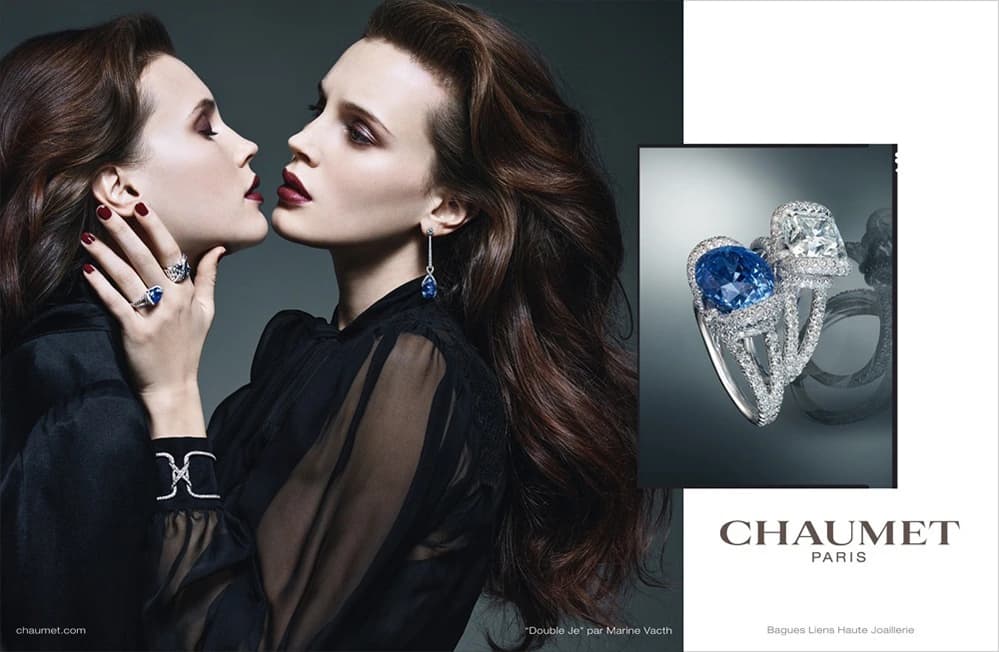
Type "luxury lifestyle brands" into Google and you get 14,800 searches a month. Type anything closer to how independent agencies are actually winning those briefs and you get zero. Zero search volume. Zero agencies ranking for it. Not low competition. No competition. The entire mechanism by which a small independent shop out-strategizes a global holding company network on a luxury retainer sits in a data vacuum nobody's bothered to fill.
That vacuum is the story.
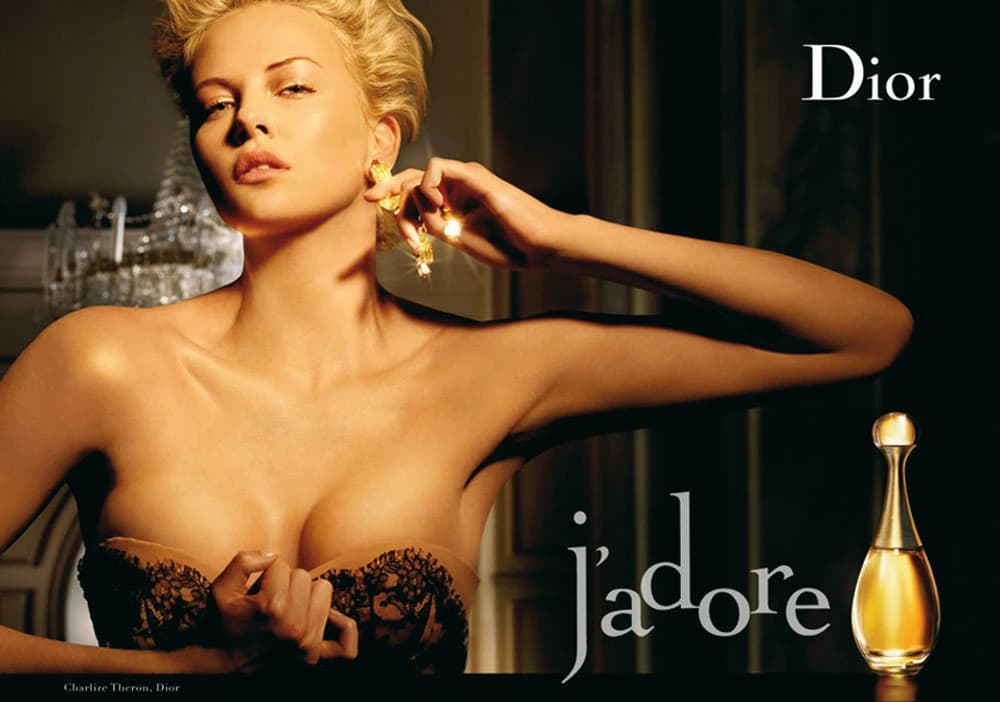
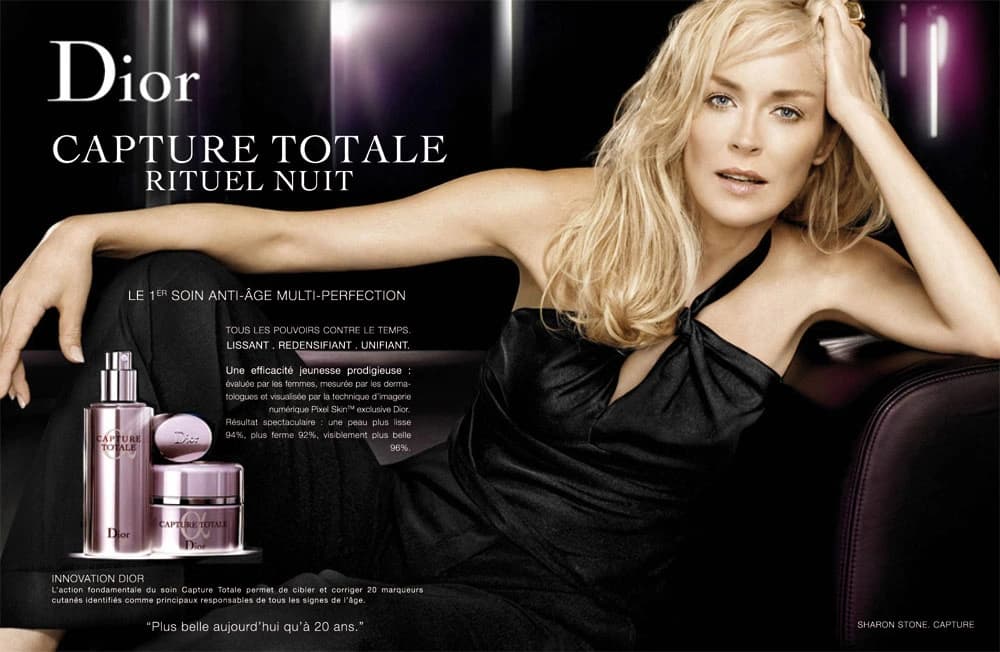
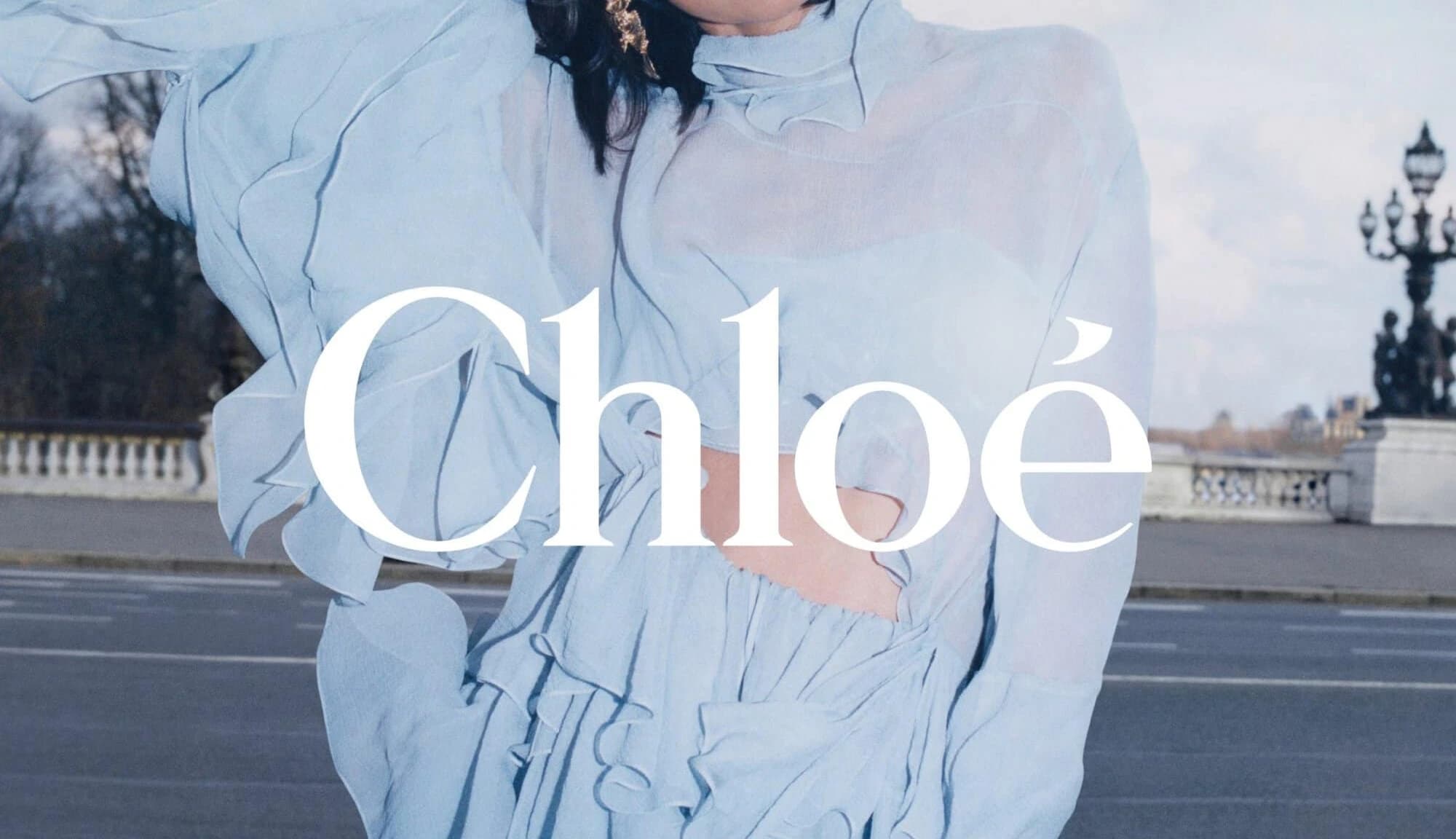
The nine results currently ranking for "luxury brand campaigns" are the same piece written nine different ways. A roundup ranking Stella McCartney's brand values against Patagonia's. A scroll of Bottega Veneta, Chloé, Givenchy, Loewe, Louis Vuitton, Max Mara, Miu Miu and Prada ad drops. A Pinterest board. A YouTube video promising three trends "every luxury brand MUST use in 2026." Behance alone returns more than 10,000 results for "luxury ad," a wall of finished creative with zero explanation of who commissioned it, how the team got built, or why the brand didn't just route the brief through its holding company AOR. Not one of the nine explains why so much of that work now comes from outside the network system in the first place.
That's the gap. Not what luxury campaigns look like. How they get built, and who's building them.
The Retainer Model Doesn't Fit the Brief Anymore
Something changed in what luxury brands are actually asking for, and the AOR retainer wasn't built to deliver it. A retainer staffs a department. It puts a strategist, an art director, a copywriter and an account lead on a brand permanently, whether the brief that quarter calls for their specific skillset or not. That structure works fine when the deliverable is a media plan. It breaks down when the deliverable is a single illustrator's hand, or a filmmaker's specific visual grammar, for eight weeks, and then nothing after that until the next project calls for someone else entirely.
That's exactly the shift luxury is making. One widely shared take from TheVaanGroup on X frames it directly: houses like Hermès, Chanel, Loewe, Burberry and Lacoste are partnering with illustrators and artists to put human craft at the center of the campaign, not the production budget. The pitch has flipped. It used to be "look how expensive this is." Now it's "look how human this is." Five major houses making the same structural choice in the same window isn't a coincidence. It's a brief that a staffed department, built to produce at scale, can't naturally answer. It's a brief a talent network can answer by design.
An independent shop that operates as a network, curating filmmakers, illustrators and artists project by project instead of housing them full time, isn't offering a workaround for a smaller budget. It's offering the actual capability the brief requires. Lifestyle brands and indies are converging on this model for the same reason: the work luxury wants right now doesn't scale the way a retainer scales. It casts.
Search Behavior Is Already Naming the Pattern, Publishers Haven't Caught Up
Buried inside the same keyword cluster that returns zero total volume, two phrases stand out for what they reveal rather than how often they're typed: "Moncler campaign indie" and "YETI campaign Wieden Kennedy." Neither pulls meaningful volume on its own. Both matter because of what the pairing signals. Someone searching "YETI campaign Wieden Kennedy" isn't looking for a listicle of the best outdoor ads of the year. They're pairing a premium lifestyle brand directly with an independent shop's name, the same way you'd search a director next to a film. That kind of query didn't exist in the generic "best campaign" searches dominating page one. It's a newer behavior, and it's brand-side and agency-side people, not just consumers, doing the searching.
The nine pieces ranking for the broader category haven't caught up to that behavior. They're written for the consumer scrolling for inspiration, not the marketer trying to figure out who to brief. That's the split. Consumer-facing content: fully saturated, recycled year over year, some of it dated back to 2023 and still ranking. Agency-side content explaining the model shift: zero competing pages. When a search behavior emerges before the publishing catches up to it, whoever fills that space first doesn't compete for rank. They define the category.
That's the opportunity sitting inside this cluster right now. Brands integrating indies into their storytelling aren't a niche curiosity. They're a search behavior already in motion with no supply of content to meet it.
The Talent Network Is the New Agency Roster
The clearest evidence of what's actually changing isn't in the campaigns. It's in who gets credited for them. Commentary tracked on X, including a thread from BECKYTRENDLAB, describes talents like Becky Armstrong sitting alongside filmmakers, artists and creative directors, among them AnN HsU, Margaret Zhang and Vivienen Sun, as active participants in building the narrative for houses like Chanel. Not ambassadors fronting a campaign someone else made. Co-authors of it. Four names doing work that used to sit inside a single department's job description.
That's what integrated storytelling actually means at the structural level, stripped of the marketing language around it. A brand isn't briefing a fixed team anymore. It's assembling a specific cast for a specific story: one filmmaker, one illustrator, one creative director, one cultural voice, none of them necessarily employed by the same company, all of them under one roof for the length of the project. The agency's job in that arrangement stops being "produce the work internally" and becomes "know exactly who to call, and hold the story together once they're all in the room."
That's a casting function, not a staffing function. A holding company network optimized over decades to staff bigger and more consistently doesn't have a structural advantage here. If anything it has the opposite problem: more internal capacity to justify using, less incentive to reach outside for the filmmaker or illustrator the brief actually wants. An independent shop with no fixed department to protect has no reason not to call the right person, whoever they are, wherever they sit. Indies integrated storytelling into their offer by necessity long before luxury made it fashionable. Now the brief has caught up to the model.
AI Content Floods the Bottom, Raises the Value of the Named Human at the Top
There's a second force pushing luxury toward this model, and it's not coming from the brand side at all. Commentary from CodeByAurelia on X points to a growing wave of AI tools generating what gets called cinematic luxury advertising: slow-motion bottle rolls, misty memory-evoking atmospheres, editorial lighting, all produced at a speed and cost no traditional production ever could. It's being framed, fairly, as democratizing. Anyone can generate the look of a fragrance ad now.
That's precisely why the look stops being the point of differentiation. When the aesthetic of luxury advertising becomes reproducible at scale, the thing that becomes scarce is a specific, named, human hand behind the work. Not "an illustrator." A particular illustrator whose style a brand chose on purpose. The 10,000-plus results sitting on Behance under "luxury ad" are mostly evidence of exactly this flood: a huge volume of competent, similar-looking creative with no distinguishing signature attached to any of it. TheVaanGroup's framing, look how human this is instead of look how expensive this is, only works as a strategy if there's an actual named human to point to. AI can produce the polish. It can't produce the provenance.
That provenance is what a talent network sells, and it's what a staffed department structurally can't replicate on demand. An agency built around long-term relationships with specific filmmakers and illustrators can put a named, credited human at the center of a brief the moment the brand asks for one. A department built to produce internally has to either build that relationship from scratch or fall back on the in-house look AI is now busy commoditizing. As the bottom of the market fills with generic machine-made luxury aesthetics, the premium on a real name goes up, not down. That's a tailwind for the network model, not a threat to it.
What the Search Data Says About Where This Goes
Line up the publish dates on the nine pieces currently ranking for "luxury brand campaigns" and a pattern shows up that has nothing to do with the content itself. December 2025. October 2025. June 2026. May 2023, still ranking, still getting traffic. Google is actively surfacing fresh content in this category on a rolling basis, which means the category isn't stagnant. It means nobody has written the piece that actually explains the shift yet, so the algorithm keeps promoting whatever's newest among a stack of interchangeable listicles.
That's a short window. The moment someone fills the gap, agency-side, using real names and real structural detail instead of another ranked list of pretty ad drops, there's no incumbent to displace. Zero agencies are currently competing for this specific angle. Whoever writes it first doesn't need to outrank nine competitors. They need to exist, correctly, before anyone else decides to.
The demand underneath all of it isn't going anywhere. 14,800 people a month are already searching "luxury lifestyle brands," and every keyword sitting quietly in that cluster, from Moncler paired with the word indie to YETI paired with an independent shop's name, is evidence that the people doing that searching are getting more specific, not less. They're not looking for inspiration anymore. They're looking for a model to follow.
The talent network isn't a smaller version of the AOR retainer. It's a different tool built for a different brief, one where the deliverable is a named filmmaker's eye or a specific illustrator's hand rather than a department's monthly output. Luxury and lifestyle brands didn't move toward independents because independents were cheaper or smaller. They moved because the story they're now trying to tell can only be cast, not staffed. Every additional name a shop can call directly, filmmaker, illustrator, artist, creative director, is inventory a fixed department simply doesn't have.
That inventory is the entire advantage, and it isn't going to shrink back down to a retainer. The agencies that understand this first won't just win more luxury briefs. They'll be the ones who get to define, in the total absence of competition, what winning one even looks like.
Free Agency Media Editorial
All newsYou might like
The Production Moat Is Gone, and Lean Agencies Are Cashing In
IllustrationXThe Production Moat Is Gone, and Lean Agencies Are Cashing In
IllustrationX
The Fujifilm Claim No One Can Verify
Why Independent Agencies Are Winning Heritage Storytelling