Umbro Went Independent, and the Silence Is the Whole Story
Umbro just handed its business to an independent shop instead of a network, and the total absence of coverage reveals more about how challenger brands should choose agencies than any trade headline could.
Zero. That's the monthly search volume for "Umbro taps Groupe Royer." Zero for the full keyword cluster around it. Zero agencies currently ranking for coverage of the deal. Zero threads on X breaking down the creative. By every conventional measure of industry attention, this account move doesn't exist yet.
It's also one of the more instructive agency reviews of the year.
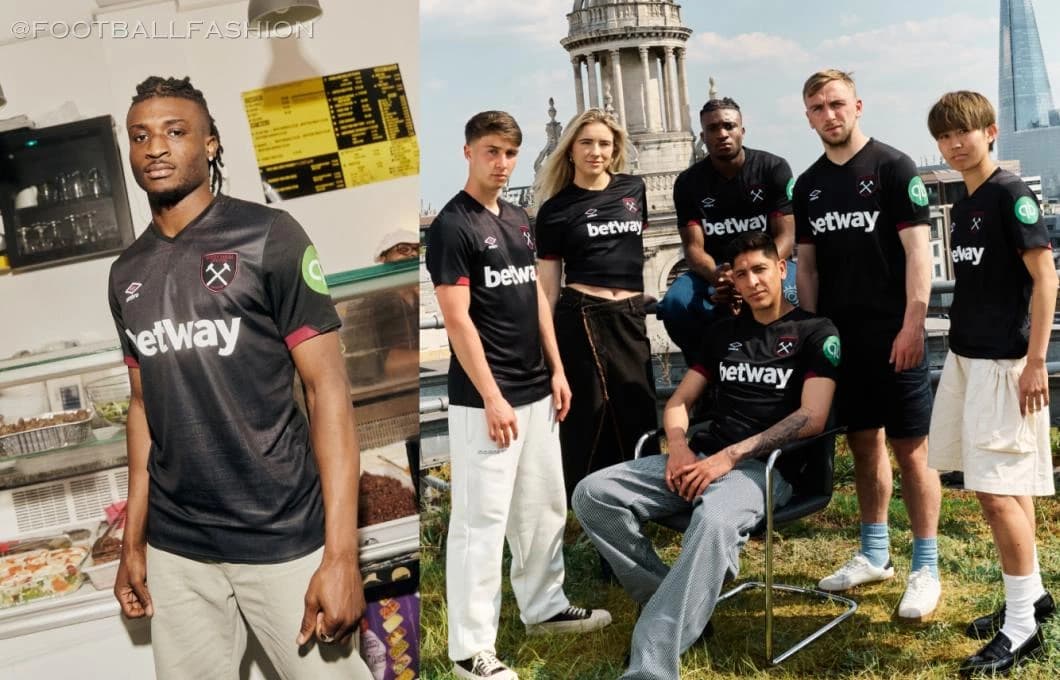
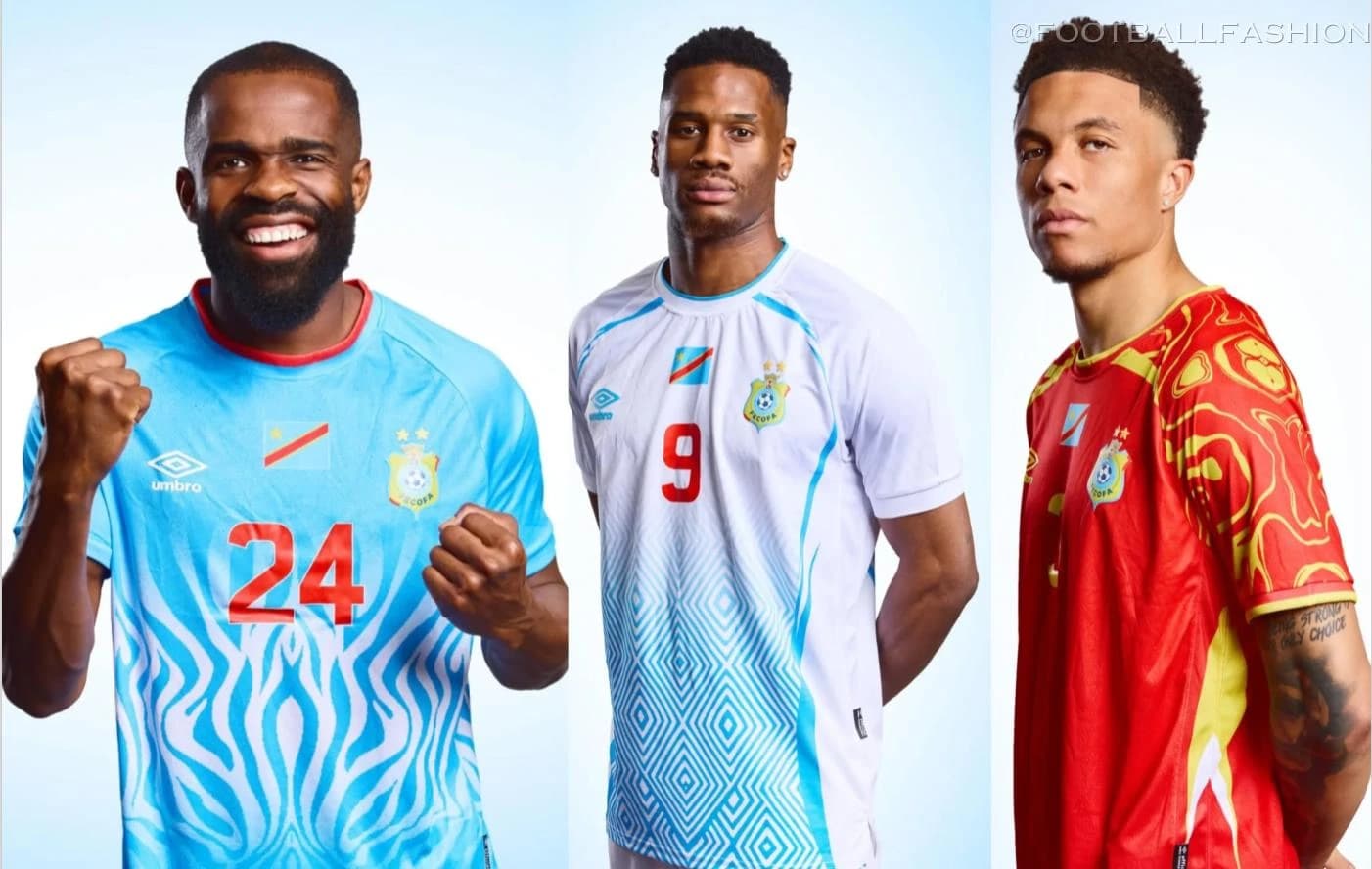
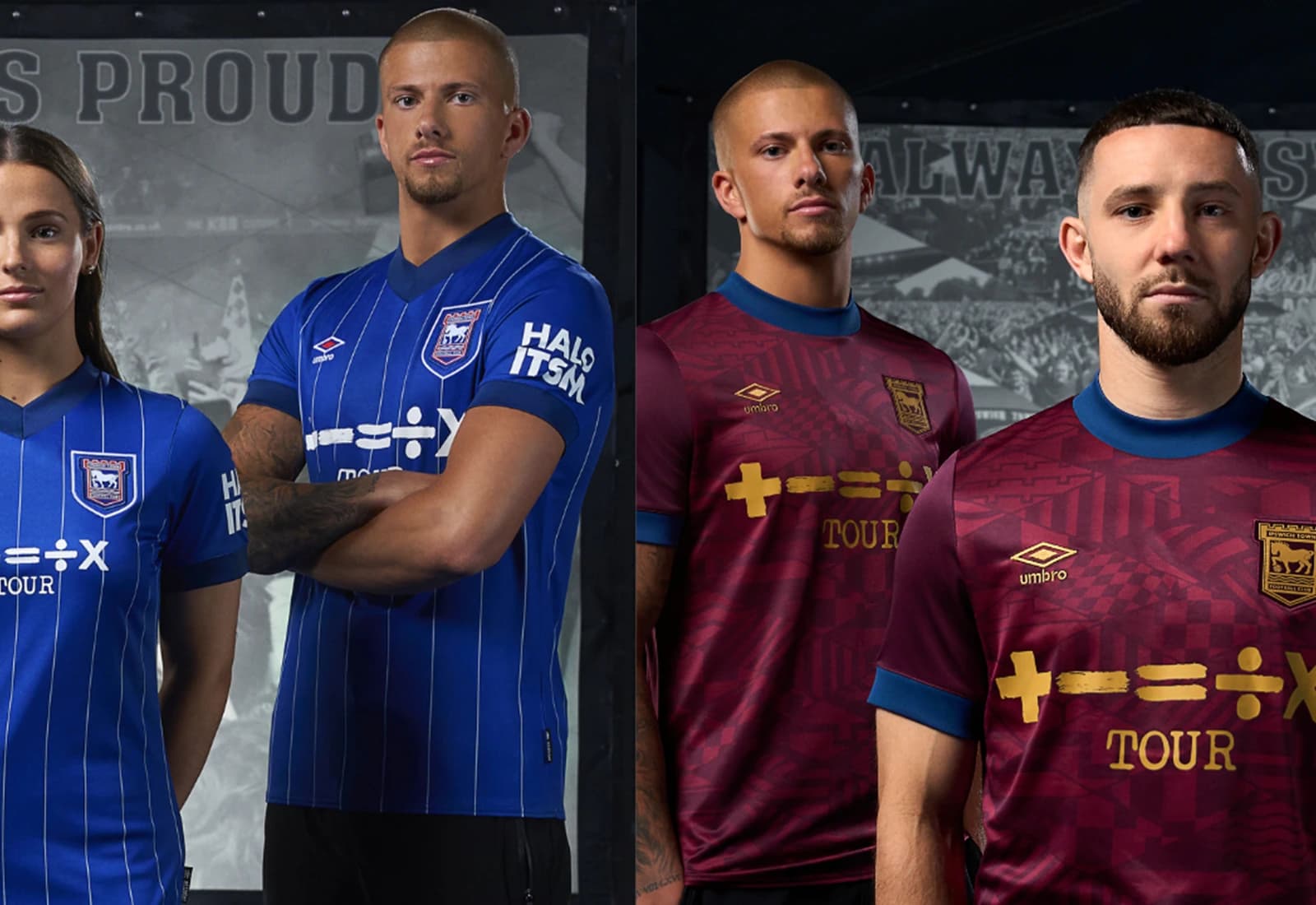
Umbro, a challenger in a category two brands have owned for the better part of two decades, just handed its business to an independent shop instead of a network. There was no press tour, no trade press exclusive, no holding company earnings call footnote. Just a brand built in 1924, a diamond crest that's been stitched onto English football shirts for six decades, choosing a partner with no P&L to split, no roster conflicts to manage, and no network bureaucracy standing between a brief and a finished film.
That absence of noise isn't a gap in the story. It is the story.
The Data That Isn't There Yet Tells You Something
Holding company wins generate search volume before the ink dries. A network shop lands a piece of a global CPG account and the trade press has three thousand words up within 48 hours, sourced from a release the holdco's comms team drafted before the pitch was even won. That's how the system is built to work: win the account, win the coverage, use the coverage to win the next account.
Independent wins don't move that way. Groupe Royer picking up Umbro produced no search demand because independent agencies don't run PR the way holding companies do. There's no shareholder update that needs a new business win to justify it. There's no quarterly earnings call where "organic growth" gets explained away by a logo slide. The work either lands with the client and the culture, or it doesn't. The coverage, if it comes, comes later, and it comes because the work earned it.
That's a different incentive structure entirely. A network agency's new business win has to get loud immediately because the win itself is the product being sold to the market. An independent's win only has to be true. Groupe Royer doesn't need Adweek to validate the Umbro relationship. Umbro's next campaign will do that.
Which means the zero on this keyword cluster isn't an absence of a story. It's a preview of one. The search volume for "Groupe Royer Umbro" six months from now will depend entirely on what ships, not on what got announced. That's the independent model in miniature: work first, coverage second, hype never.
Why a Challenger Brand Needed a Challenger Structure
Umbro competes in a category where two companies set the terms. Nike and Adidas don't just outspend everyone else in football. They define what the category is allowed to look like: the tech narratives, the athlete rosters, the production budgets that turn a boot launch into a global event. Umbro isn't going to out-innovate that arms race, and it shouldn't try. The brand's actual asset is the opposite of a performance-tech story. It's a century of being the crest on the shirt before football became a media business at all.
That's a positioning problem, not a production budget problem. And positioning problems get solved by structure as much as by strategy.
Here's the structural reality most CMOs don't say out loud: a holding company shop pitching a challenger sports brand is very often sitting inside a network that already services a bigger player in the same category, or wants to. Even when the conflict is cleared on paper, the incentive isn't. A network's best creative talent gravitates toward whichever client in the building has the bigger budget and the bigger stage. Umbro, in that system, is never going to be the account the most senior people fight to stay on. It's the account that gets the deck built by the team one rung down from the one working the category leader.
An independent doesn't have that problem, because an independent doesn't have a second client in the room competing for the same senior attention. Groupe Royer's most senior creative talent isn't split between Umbro and some other football account with a bigger media spend. Whatever Groupe Royer's best people are doing this quarter, they're doing it on the account that hired them. That's not a compromise built out of necessity. That's the entire structural advantage independence is supposed to deliver, and Umbro just bought it directly.
Independence, in other words, wasn't the fallback option here. It was the correct read on what a challenger brand's agency relationship actually requires: full attention, not divided attention wrapped in a global network's best intentions.
What the Move Reveals About the Repositioning Underneath It
You don't hire an independent to fight Nike and Adidas on their own turf. You hire one because the winning move was never to fight them on their own turf.
A heritage brand with a 1924 founding date and a shirt crest older than most of the category's current marketing playbook has one asset the performance-tech duopoly structurally cannot buy: authenticity that predates the arms race. Nike can manufacture a heritage campaign. Umbro doesn't have to manufacture anything. It has to remember what it already is and say it with more conviction than the last five years allowed.
That's not a creative-technology brief. It's a storytelling brief, and storytelling briefs are exactly where independent shops out-produce networks, because storytelling briefs reward a small, senior, deeply attached team over a large distributed one running a global toolkit. You don't need six regional offices and a media-buying arm bundled into the relationship to tell a football brand's own history back to football culture. You need a team that understands the difference between "heritage" as a nostalgia play and heritage as a present-tense claim to authenticity that the category's two giants can't credibly make.
The account move itself is the first piece of evidence for where this repositioning is headed. A brand doesn't leave a network relationship for an independent one to keep making the same kind of work with a smaller budget. It makes that move because the work needs to change shape entirely, and a smaller, unencumbered team is the only structure built to change it fast.
How Independents Keep Winning Reviews the Networks Don't See Coming
The pattern here isn't isolated to football, and it isn't isolated to Umbro. It shows up whenever a brand with a genuine positioning problem, not just a media-buying problem, goes shopping for a new creative partner. The networks pitch scale. The independents pitch attention. Increasingly, attention is winning the reviews that matter.
Pure pitch mechanics explain part of it. An independent shop pitching a review can put its most senior people in the room on day one, because there's no staffing plan to build around global account conflicts or resourcing across four other clients in the same category. A network has to solve an org chart problem before it solves a creative problem. An independent solves the creative problem first because there's no org chart standing in the way.
Decision speed explains another part. A brand CMO shopping a review wants a fast, direct read on whether the creative partner actually understands the brief, not a multi-layered response that's been through regional sign-off and global brand safety review before it reaches the client. Independent shops answer briefs the way founders answer emails: directly, and fast, because the person answering is usually the person who'll be doing the work.
And frankly, the current environment explains the rest. Brands have grown more skeptical of scale as a proxy for quality. A holding company's pitch deck used to lead with global footprint and media-buying leverage. That story works less well now that clients have watched network consolidation shrink senior staffing on individual accounts even as the overall footprint claim stays the same on the slide. Zero agencies are currently ranking in search for coverage of the Umbro move, which means zero trade outlets have run the standard "network loses account, here's what it means for holding company earnings" piece yet. That absence is itself evidence that this pattern is still under-covered relative to how often it's actually happening.
The Signal to Other CMOs Shopping Outside the Network System
Here's what a CMO evaluating agency partners in 2026 should take from this: the review process itself is different when independence is on the table, and the difference favors the brand doing the hiring.
A network pitch comes with an implicit ask: buy the relationship, and you're buying access to a system, a set of tools, a media-buying arm, a global production network. That's a real value proposition for a brand that genuinely needs those things at scale. But it's the wrong value proposition for a brand whose actual problem is that its story has gotten lost inside a category two competitors have defined too loudly for too long. That brand doesn't need more system. It needs more attention, applied by fewer, more senior people, moving faster than a network's process allows.
Umbro's move to Groupe Royer is a signal that this calculation is becoming explicit rather than accidental. CMOs aren't stumbling into independent partnerships because a network relationship fell apart. They're actively choosing structure as strategy, recognizing that the shape of the agency relationship is itself part of the positioning decision, not separate from it.
That's a harder thing for holding companies to compete with than a bigger budget or a flashier deck, because it's not a resourcing problem they can solve by throwing more people at the account. It's a structural mismatch between what a challenger brand needs and what a network is built to deliver. You can't restaff your way out of a conflict of attention. You can only remove the conflict, and removing it means going independent.
Where This Goes From Here
The zero on this keyword cluster won't stay zero. It'll fill in the way independent wins always fill in: after the work ships, not before. When Umbro's next campaign lands, and it will land against a category still run by two brands with far larger production budgets and far louder media plans, the search volume for "Groupe Royer Umbro" will follow the work, not precede it. That's the trade the entire industry needs to internalize. Independent wins don't announce themselves. They accumulate evidence, quietly, until the pattern is undeniable.
The bigger signal here isn't about one football brand and one independent shop. It's about what CMOs are learning to ask before a review even starts: does this partner have divided attention, or full attention? Does this agency's structure match the size of the story we're trying to tell, or does it just match the size of the budget we're bringing? Umbro answered that question by leaving the network system entirely, and the silence around the decision, zero searches, zero coverage, zero conversation, is exactly what independence looks like before the world catches up to it.
It won't stay quiet for long. The work rarely does.
Free Agency Media Editorial
All news