Vaseline's Quiet Move to an Independent Producer Speaks Volumes
A 150-year-old Unilever brand handed real production work to an independent shop, and the total absence of industry chatter is the real story.
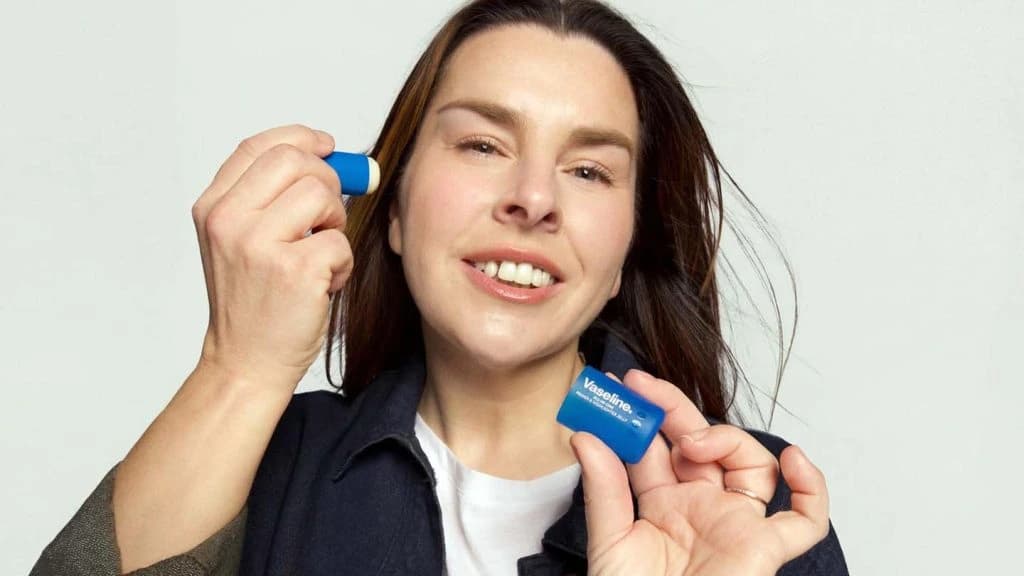

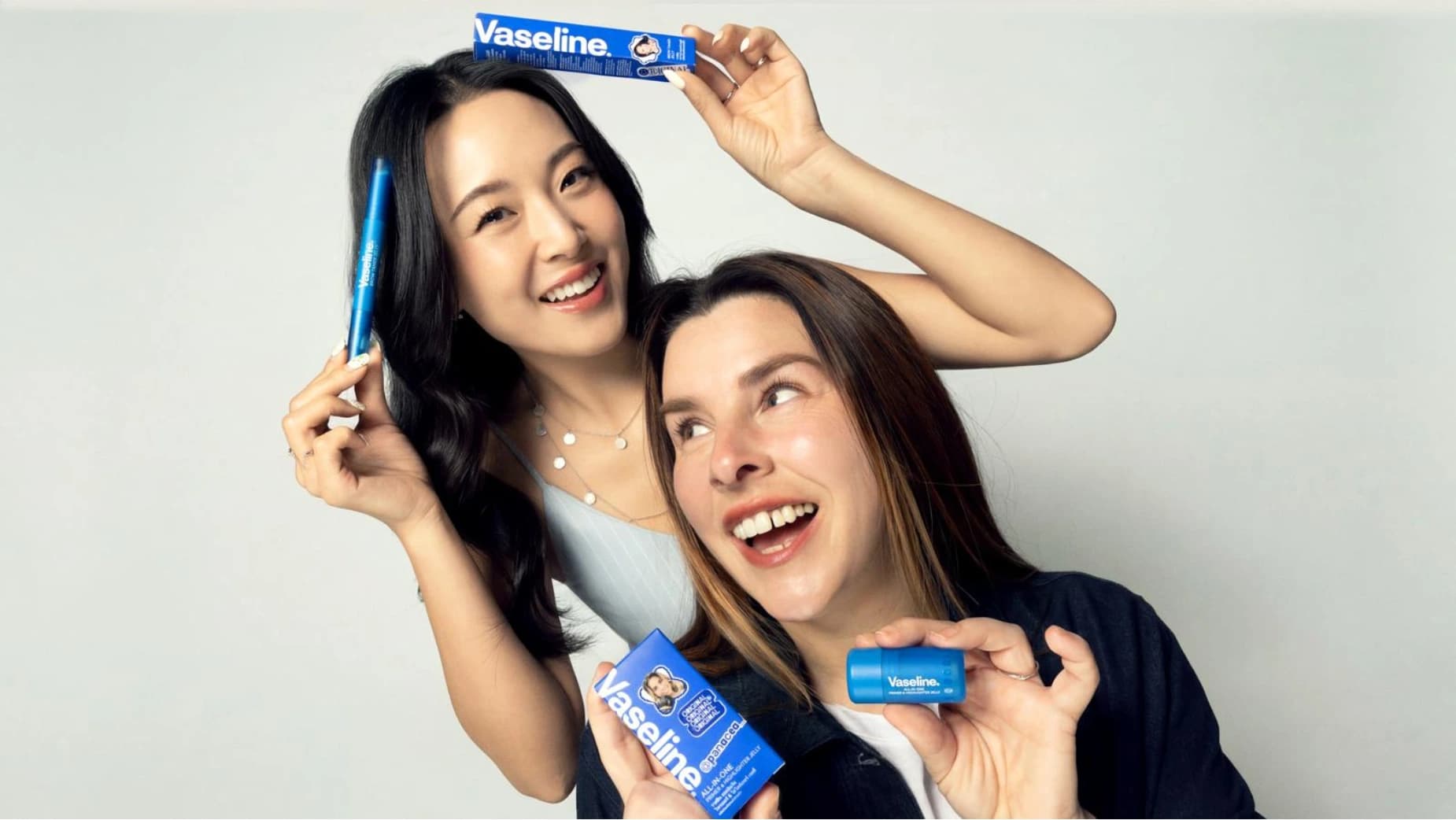
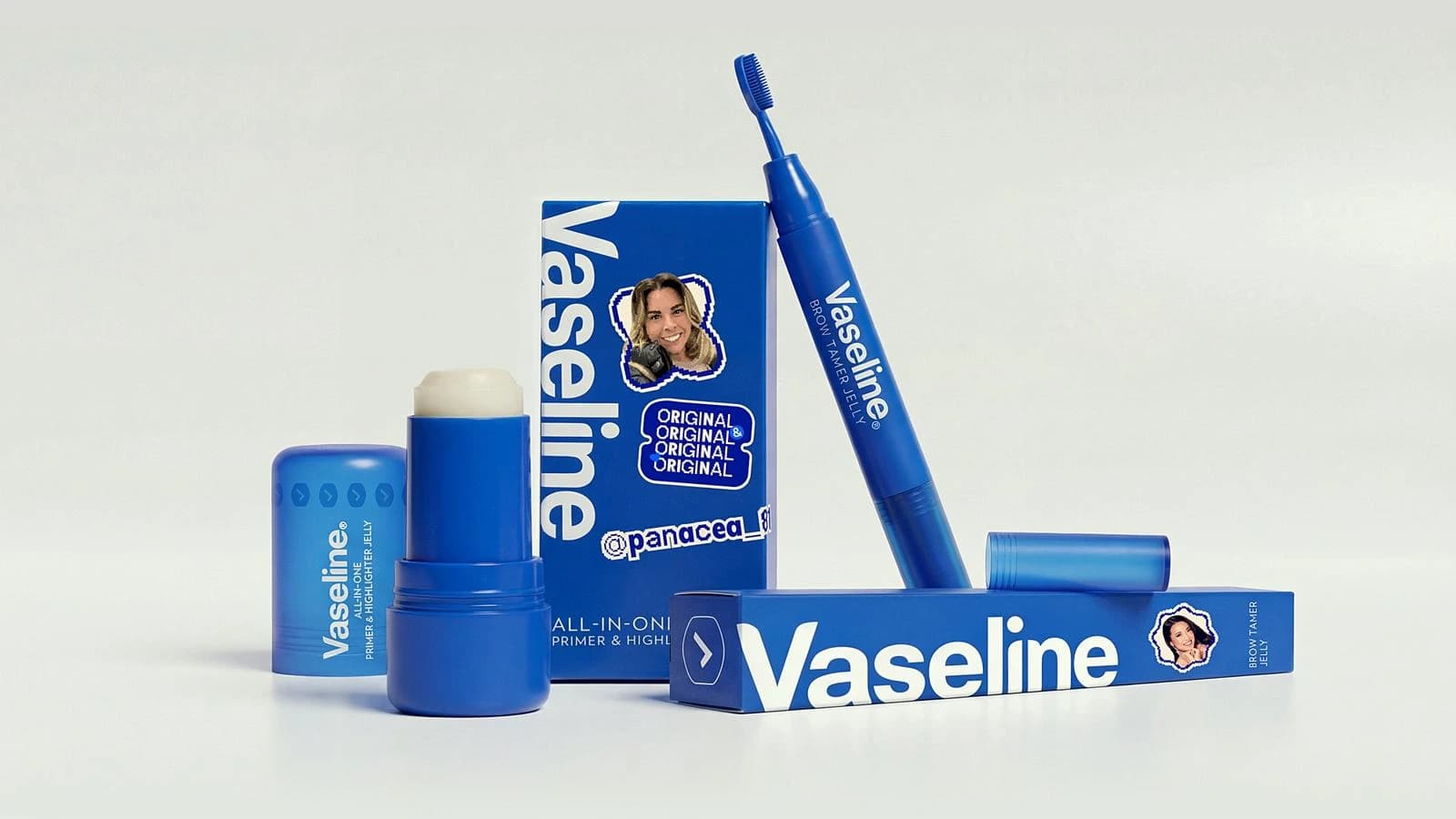
A 150-year-old Unilever brand just handed real work to an independent production company, and the internet has nothing to say about it.
That silence is the story.
Zero Searches, Zero Chatter, One Very Real Deal
Search "vaseline agency" and you get nothing built for that query. Search "vaseline campaign" and the results loop back to product listings. Search "bullet production" alongside "vaseline" and you get a flat line: zero monthly searches, zero competing agencies, zero trade coverage. The keyword cluster around this pairing, vaseline, vaseline agency, vaseline campaign, independent agency wins, brand agency relationship, returns a combined search volume of exactly zero.
That's not a gap in our data. That's the whole picture right now.
Normally, when a Fortune 500 CPG brand moves real work to a new shop, the industry leaks before the ink dries. A junior at the outgoing network posts something cryptic on LinkedIn. A rival agency drops a case study timed suspiciously well. Ad Age runs a paragraph in a roundup. Digiday gets a source "close to the account." None of that has happened here. We ran the search on X specifically for chatter about Vaseline and Bullet Production together and came up with zero relevant posts. Not muted conversation. Not buried conversation. No conversation at all.
For a brand with 416,000 followers on its official Instagram account and a marketing budget that comes from one of the largest advertisers on earth, that kind of quiet isn't normal. It's engineered, it's early, or it's both. Either way, it means Free Agency Media is reporting this before the trade press catalogues it into a familiar template. That's the opportunity in front of us. The absence of noise tells its own story about how enterprise CPG brands are starting to work with independent shops heading into 2026.
What Six Search Results Reveal About Vaseline's Digital Footprint
Pull up the current top results for "vaseline" and you get a portrait of a brand whose public-facing digital presence is almost entirely commerce and reference, not storytelling. The Vaseline.com homepage sits at number one, leaning on "over 150 years" of heritage copy. Wikipedia holds the second spot. The official Instagram account is third. Amazon's brand storefront is fourth. Walmart's product page for the original petroleum jelly tub is fifth. Walgreens rounds out the top six.
Six results. Six destinations built to sell product or explain the brand's history. Zero editorial coverage. Zero agency credit. Zero case study. For a brand this size, that's a notably thin footprint on the parts of the internet where creative work usually gets discussed, dissected, and claimed by whoever made it.
Contrast that with how loud these moves usually are. When a legacy CPG brand shifts its agency relationship, the incumbent network typically gets a mention somewhere, even in passing, even in a "sources say" line. Rival shops brag. Search interest around terms like "[brand] new agency" ticks up because somebody wrote about it. None of that scaffolding exists yet around Vaseline and Bullet Production. Zero agencies are competing for visibility on this keyword cluster because, as far as the public internet is concerned, there's nothing to compete over.
That's precisely what makes it worth reporting now, while it's still unclaimed territory. FAM's directory standard is "verified, not claimed," and what we can verify at this stage is straightforward: the pairing exists, the digital footprint is empty, and that combination is unusual enough at this scale to warrant the scoop treatment rather than waiting for a press release that may never come in the traditional form.
Why Fortune 500 CPG Brands Are Quietly Unbundling
Unilever's relationship with the holding company model has never been simple. For years, the company's brands, Vaseline included, have lived inside global network ecosystems, spreading creative, media, and production across WPP and Publicis-affiliated shops depending on the market and the year. That structure was built for a specific era: one where scale mattered more than speed, and where a single network handling everything from strategy to production felt efficient because switching costs were high and specialist alternatives were scarce.
That era is ending, and it's ending from the client side, not the agency side. Procurement teams inside companies the size of Unilever have spent the better part of a decade scrutinizing what they're actually paying for when they write a check to a holding company. Layers of account management. Overhead baked into every retainer. Production routed through in-house arms that add margin without necessarily adding craft. When a CMO or brand director starts asking what a leaner, faster alternative looks like, independent shops are the answer that keeps showing up.
If Bullet Production is now doing real work for Vaseline, and the evidence in front of us indicates it is, that fits a pattern that's been building quietly across CPG for several cycles: enterprise brands assembling modular rosters instead of defaulting to one network for everything. This isn't a brand settling for less. It's a brand choosing precision. An independent shop doesn't carry the same layers between the person who has the idea and the person executing it, and that compression is the advantage, not a workaround.
Framing this as Vaseline "taking a risk" on an indie misses what's actually happening. The risk calculus has flipped. Staying locked into a single global network for every deliverable is increasingly the riskier bet, because it's slower, and slow is the one thing a modern brand calendar can't absorb. A campaign that needs to move from brief to asset in weeks, not quarters, doesn't have room for four layers of sign-off before a camera rolls. That's the quiet math driving a lot of these decisions long before anyone announces them.
Production, Not Just Creative: The Category Bullet Production Represents
There's a distinction worth making here that a lot of trade coverage glosses over: creative unbundling and production unbundling are two different fights, and right now production is the one flying under the radar.
Most of the industry conversation about independence focuses on creative agency-of-record reviews, the accounts that make headlines when a brand fires its agency of record and picks a new one. Production has operated differently. For decades, a huge share of production work got routed through a holding company's in-house production arm almost by default, bundled into the same contract as the creative work, whether or not that arm was the best choice for the job.
That default is breaking down. Brands are increasingly separating the question of who thinks up the idea from the question of who's best equipped to make it, and going direct to specialist production companies for the execution. A shop with "production" in its name, like Bullet Production, sits exactly at that fault line. If Vaseline is routing real work there directly rather than through a network's production division, that's not a footnote. That's the category shift.
It's also why the zero-competitor data point from earlier matters more than it looks. Zero agencies are currently competing for visibility around "vaseline agency" or "bullet production" as a pairing, which means this lane, independent production companies landing enterprise CPG scope, is still underexplored by the trade press that usually chases creative agency-of-record news. Nobody has written the playbook yet on how a production-first indie earns trust from a 150-year-old brand. That's a gap FAM intends to fill as more of this becomes public.
The Verification Standard: What We Can Confirm and What We Can't
FAM doesn't publish claims dressed up as facts, so the boundary here needs to be precise. What's confirmed: Vaseline and Bullet Production are connected, per the reporting basis of this piece. What's not yet confirmed publicly: the scope of the engagement, the duration, whether it's a single project or an ongoing relationship, the dollar value, and whether an incumbent network was displaced or simply not renewed for this particular scope.
There's no public creative to review yet, which is exactly why this piece isn't a campaign breakdown. You can't critique work that hasn't been released, and pretending otherwise is how trade coverage turns into filler. What can be reported responsibly is the business signal: a legacy Fortune 500 brand with zero public digital footprint around this relationship is quietly working with an independent shop, and the complete absence of chatter, on Google, on X, in trade press, is itself the most interesting data point available right now.
That absence won't last. Work eventually surfaces. Case studies get written. Someone updates a portfolio. When it does, FAM will be positioned to report the creative itself with the same standard we're applying here: named agencies, concrete numbers, no anonymous "sources close to the brand" padding out a story that deserves specifics.
What This Means for Every Indie Chasing an Enterprise Logo
The lesson here isn't "an indie landed a big client." Indies land big clients regularly enough that the fact alone isn't news. The lesson is in the shape of how it happened: quietly, without the industry noise that usually accompanies these moves, inside a production-specific lane that most trade coverage still ignores in favor of splashier creative agency-of-record stories.
For independent shops built around production instead of handling every discipline under one roof, that's the opening. Enterprise CPG brands are actively looking for exactly this kind of unbundled relationship: direct work with a specialist, without the overhead of a network production arm. The keyword data shows zero competitors currently visible in this specific conversation. That's not a sign there's nothing here. It's a sign almost nobody has started reporting it yet, which means the independents already doing this work have room to define the category before anyone else claims it.
2026 is shaping up to be the year enterprise unbundling stops being an exception and starts being a pattern worth tracking systematically, not just for creative reviews but for production, media, and everything in between. This pairing, quiet as it currently is, stands as one of the earlier data points in that pattern, not a footnote to it.
FAM will be watching for the work. When it surfaces, we'll be the ones naming names and citing numbers instead of waiting for someone else to write the first draft.
Free Agency Media Editorial
All news


