Why Luxury Automakers Don't Google Their Launch Partners
Premium automotive brands spend millions on launch events for agencies with zero search volume. The absence of keyword competition reveals how high-stakes experiential work actually gets commissioned.
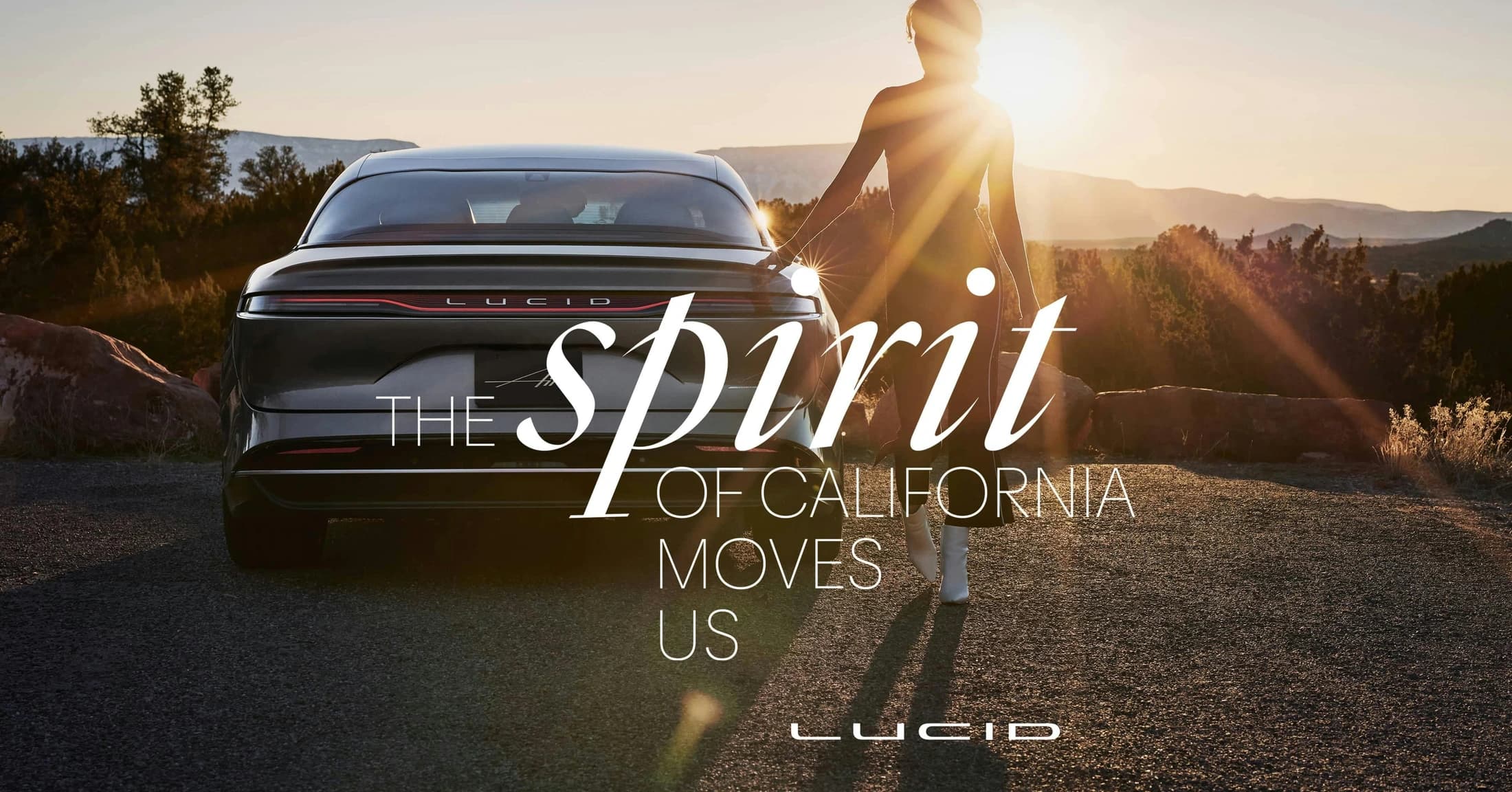
The luxury automotive world is placing bets on agencies most people have never heard of. No search volume. No keyword competition. No SERP battle for "automotive brand experience agencies." Zero monthly searches across the entire cluster of terms you'd expect brands to use when hunting for the teams that launch $200,000 vehicles to the world.
This isn't a gap in the data. This is the point.
Premium automotive brands aren't Googling their way to launch partners. They're not running RFPs through procurement portals. They're not briefing holding company experiential networks that promise coverage across 47 markets. When Porsche needs to introduce the Taycan to 300 ultra-high-net-worth individuals in a way that feels like a private club, not a corporate activation, they're finding agencies through direct relationships, founder-to-CMO conversations, and work they've seen in the wild. The absence of search volume tells you everything about how this business actually works.
The luxury automotive launch is a $500,000 to $3 million event that happens maybe three times per brand per year. This isn't scale work or repeatable process. It's bespoke theater designed for an audience of decision-makers who've already test-driven the competition and need a reason to believe this vehicle represents not just performance but identity. Holding company experiential networks are built for volume: 400 retail activations, 50-city tours, nationwide sampling programs. They're optimization machines. Luxury launches are the opposite. They're one-time spectacles where the production value has to match the MSRP of the product and the creative idea has to feel like it was invented specifically for this brand, this vehicle, this moment.
Independence gives agencies permission to say no to everything that isn't this. A 14-person shop can afford to spend four weeks concepting a single event because they're not servicing 12 other automotive clients simultaneously. They can staff the founder on the pitch because the pitch is the business model. They can propose ideas that require the client to trust them completely because they're not running the concept past three layers of holding company legal review before it reaches the room. The luxury automotive client isn't buying a network. They're buying a specific sensibility. And sensibility doesn't scale.
The Procurement Problem Holding Companies Can't Solve
Luxury automotive brands operate on a procurement model that advantages the very capabilities holding company networks claim to own: global reach, service integration, centralized billing. If the RFP process worked the way it's supposed to work, WPP's experiential divisions would sweep every luxury launch. They have the infrastructure. They have the case studies. They have the procurement relationships that took years to build.
They're losing the work anyway.
The luxury launch brief contradicts everything procurement departments are designed to optimize. It requires creative bravery that can't be vetted through three rounds of internal approvals. It demands production precision that doesn't fit standardized SOW templates. It needs talent allocation that makes no sense on a utilization dashboard: the ECD working full-time on a single event for six weeks, the strategy lead embedded on-site for production week, the founder showing up to personally oversee activation day. Holding company resource models can't accommodate this without breaking their margin structure. Independent shops can because their margin structure assumes founder-level involvement isn't overhead, it's the product.
Procurement wants predictability. Luxury launches require the opposite. They need agencies that can propose a concept in March that won't be fully producible until September because the technology doesn't exist yet. They need teams willing to scout 30 locations before finding the one venue that matches the brand's aesthetic standards. They need partners who understand that when the automotive CMO says "make it feel exclusive," they don't mean "VIP section at a generic venue." They mean create an experience so tailored to our brand codes that attendees believe we invented this format specifically for them.
Holding company experiential networks answer to quarterly earnings calls. Independent shops answer to the client in the room. That difference shows up in the work. The network agency proposes a modular activation system that can be replicated across markets because their business model requires repeatability. The independent shop proposes a one-time spectacle that can't be replicated because the client hired them specifically for bespoke thinking. Only one of those approaches matches what luxury automotive brands are actually buying.
Why Specialized Capabilities Beat Network Breadth
The holding company pitch deck promises full-service coverage: experiential plus digital plus content plus social plus media buying, all orchestrated through a single point of contact. The luxury automotive brand nods politely and then briefs the 22-person independent shop that only does experiential but does it at a level the network can't match because every person in the agency has production design in their skill set.
Specialization is the advantage. When your only offering is experiential launches, you don't hire generalists who can "flex into" event production. You hire people who came from museum installation design, theatrical set construction, and luxury retail environment teams. Your vendor relationships aren't with "preferred event suppliers" on a holding company master service agreement. They're with the fabricators who build Ferrari showrooms and the lighting designers who work Fashion Week. You're not trying to be everything. You're operating at a depth of craft that network agencies can't access because they're spread across too many disciplines to go deep in any one.
The luxury automotive launch is a technical production challenge that masquerades as a creative brief. The venue has to accommodate 200 guests while feeling intimate. The vehicle reveal has to be dramatic without being gimmicky. The post-event content has to be capturable without making the experience feel like a photo op. The lighting has to make the car look stunning under Instagram conditions and in-person conditions simultaneously. These aren't problems you solve with "integrated thinking." These are problems you solve with specialized expertise in physical space design, live event production, and brand experience architecture.
Independent shops that win luxury automotive work are often agencies that started in adjacent premium categories: hospitality, fashion, high-end retail. They understand the visual vocabulary of luxury. They know how to create moments that feel rare without feeling precious. They've built vendor networks that can deliver the production quality luxury brands expect: the fabricators who don't flinch when you ask for custom millwork with a three-week lead time, the AV teams who can create projection mapping that doesn't look like corporate AV, the catering partners who understand that food at a luxury automotive event isn't refreshments, it's part of the brand storytelling.
Holding company networks promise breadth. Independent specialists deliver mastery. When Audi is choosing who designs the launch event for a $150,000 electric vehicle aimed at design-forward buyers, mastery wins. Breadth is a procurement advantage. Mastery is a creative advantage. And luxury automotive brands are buying creative, not procurement efficiency.
The Direct Relationship Model That Networks Can't Replicate
The holding company experiential team reports to the holding company experiential president who reports to the network chief experience officer who reports to the regional CEO. The independent shop founder reports to the automotive CMO. Every meeting. Every decision. Every revision. That reporting line is the structural advantage no amount of "agile methodologies" can replicate.
Luxury automotive clients want access to the person who's actually going to design their event, not the account team managing the people who manage the designers. When the CMO calls with a last-minute venue change two weeks before launch, they want to talk to the founder who can make an immediate decision about whether the new space works or whether they need to keep looking. They don't want to brief an account director who escalates to a creative director who consults the production lead who schedules a call for Tuesday. The speed of decision-making at independent shops isn't about "agility." It's about organizational flatness. There's no escalation chain. There's the founder and the client and the work.
This direct relationship model creates a feedback loop that improves the work in real time. The automotive brand's design lead can give notes directly to the agency's spatial designer during the venue walk-through. The CMO can see early fabrication mock-ups and provide input before production begins. The founder can propose a concept revision mid-project because they're in every conversation and understand exactly what's working and what isn't. Network agencies call this "lacking proper process controls." Luxury automotive clients call it collaboration.
The relationship also extends beyond the launch event itself. When you're working directly with a founder, the post-event debrief isn't a formal closeout meeting. It's a conversation about what worked, what didn't, and what the next launch should learn from this one. Independent shops build institutional knowledge through relationships, not through project management software. The founder who led the Porsche Taycan launch is the same founder who'll lead the 911 hybrid launch 18 months later. They remember what the CMO cared about. They remember what the design team pushed back on. They remember which production choices elevated the brand and which felt like generic luxury signaling.
Holding company networks lose this continuity because talent turns over and accounts get reassigned. The ECD who led the pitch isn't guaranteed to lead the execution. The strategist who developed the concept might be staffed on a different automotive client by launch week. The account team managing the relationship is optimizing for utilization rates, not for depth of client partnership. Independent shops can't afford to rotate talent. The founder is the continuity. That person-to-person relationship isn't a nice-to-have. It's how the best luxury automotive launch work gets made.
Production Models Built for Bespoke, Not Scale
Holding company experiential networks run on a production model designed for repeatability: template-based activations, modular build systems, centralized fabrication partnerships that deliver cost efficiency across multiple clients. This model works brilliantly for brands that need 50 identical retail installations or a touring experience that has to be consistent across 20 cities. It breaks completely when the brief is "create a one-time event that feels like nothing we've done before."
Independent shops build production models around bespoke execution. They're not trying to amortize fabrication costs across multiple clients. They're designing custom environments for single-use applications. This sounds economically insane until you realize luxury automotive brands prefer it. They don't want the venue design that can be repurposed for the next client's launch. They want the venue design that only works for their brand, their vehicle, their story. The independent shop that proposes a custom-built installation that gets torn down after one night isn't being wasteful. They're demonstrating they understand what luxury means: something made specifically for you that can't be replicated.
This production philosophy requires a different vendor ecosystem. Independent experiential shops don't work with "preferred suppliers" on master service agreements. They work with fabricators, set designers, and specialty contractors who are used to one-off projects with exacting standards. These vendors don't offer volume discounts. They offer craft. The luxury automotive client sees the difference immediately. The holding company activation uses rental furniture and modular staging because those are the most cost-efficient solutions in the procurement system. The independent shop designs custom seating and builds a vehicle reveal platform from scratch because the brief was "make it feel exclusive," not "make it scalable."
The production model also determines how agencies handle the inevitable chaos of live events. When something goes wrong three hours before doors open, when the lighting cue isn't right, when the vehicle positioning needs adjustment, when the AV playback has sync issues, the network agency escalates through project management channels. The independent shop has the founder on-site making real-time decisions with the production crew. No approval chain. No escalation protocol. Just the person who designed the experience fixing it before guests arrive. Luxury automotive brands pay premium rates specifically for this level of hands-on execution. They're not buying project management. They're buying the confidence that the person who sold them the vision will be there to deliver it.
How Indies Position to Win Without Keyword Competition
Zero search volume for "automotive brand experience agencies" means luxury automotive brands aren't shopping for launch partners through Google. They're finding agencies through the same channels ultra-high-net-worth individuals use to find everything premium: referrals, direct outreach, and work they've seen in adjacent categories. Independent shops that win luxury automotive launches are positioning through reputation, not search optimization.
The positioning strategy starts with demonstrating mastery in comparable categories. If you've designed launch events for luxury hospitality brands, you've proven you understand the visual language and production standards luxury automotive expects. If you've created retail environments for premium fashion labels, you've shown you can design physical spaces that reflect brand codes. If you've produced product launches for high-end consumer electronics, you've demonstrated you can make technology feel aspirational. Luxury automotive CMOs are looking at your work in other premium categories and extrapolating whether you can operate at their level. The category transfer matters more than automotive-specific experience.
The second positioning lever is founder visibility in the circles where automotive marketing leaders operate. Speaking at luxury brand conferences. Publishing perspectives on experiential design in trade publications. Serving on award show juries where automotive work gets judged. These aren't marketing activities. These are relationship-building activities that put founders in the same rooms as the CMOs who brief luxury launches. When Porsche's North America marketing lead is looking for an agency to design the Macan EV launch, they're not searching keywords. They're remembering the founder they met at the Brand Experience Summit who had sharp opinions about why most automotive launches feel interchangeable.
The third positioning mechanism is portfolio work that demonstrates bespoke capabilities at luxury-appropriate production values. Independent shops that win automotive launches don't have case studies titled "Automotive Experiential Marketing." They have case studies that show custom fabrication, one-time installations, and experiences designed for audiences with exceptionally high taste standards. The work itself is the positioning. The luxury automotive CMO sees the level of craft and understands this agency can operate at the quality threshold their brand requires. No keyword optimization needed. The work speaks the language that luxury clients understand: mastery, attention to detail, and willingness to build something once instead of building something repeatable.
The Forward Look: What This Means for Premium Launch Work
The absence of search competition in the luxury automotive experiential space isn't temporary. It's structural. As long as premium brands prioritize bespoke craft over procurement efficiency, they'll continue finding agencies through relationships instead of search engines. Independent shops that understand this aren't trying to rank for keywords. They're building the reputational and relationship capital that gets them into the conversation when launches get briefed.
The opportunity is expanding beyond automotive. Every premium category with a launch cycle faces the same tension between holding company scale and independent craft: luxury hospitality openings, high-end residential real estate unveilings, premium consumer electronics introductions, fashion house flagship store activations. The brands that have figured out independent shops deliver better launch work for luxury products are applying that lesson across categories. The same agency that designed the Porsche Taycan launch gets called when the luxury hotel brand opens a new property. The referral network operates across premium verticals, not within automotive silos.
This creates a sustainable business model for independent experiential shops willing to specialize in bespoke launch work. You're not chasing RFPs. You're building a portfolio of premium clients who need two to four major launches per year and are willing to pay $500,000 and up per event for agencies that can deliver craft at the level their brand requires. The math works because you're not trying to scale. You're trying to operate at a depth of quality that commands premium pricing. A 20-person shop running 15 luxury launches per year at $750,000 average revenue per project is doing $11.25 million with margin structures that holding company experiential divisions can't match because they're not carrying network overhead.
The luxury automotive launch is the proving ground. The brands with the highest standards. The clients with the budget to demand perfection. The launches where every detail matters because the audience is evaluating not just the vehicle but the brand's ability to create experiences that match their own taste levels. Independent shops that win this work aren't competing on keywords. They're competing on craft. And in premium categories, craft always beats scale.
Free Agency Media Editorial
All news