The Vendor Layer Fortune 500 Advertising Never Talks About
A VFX studio's three unnoticed tweets about a 7UP campaign expose the invisible production layer beneath every major brand's advertising.
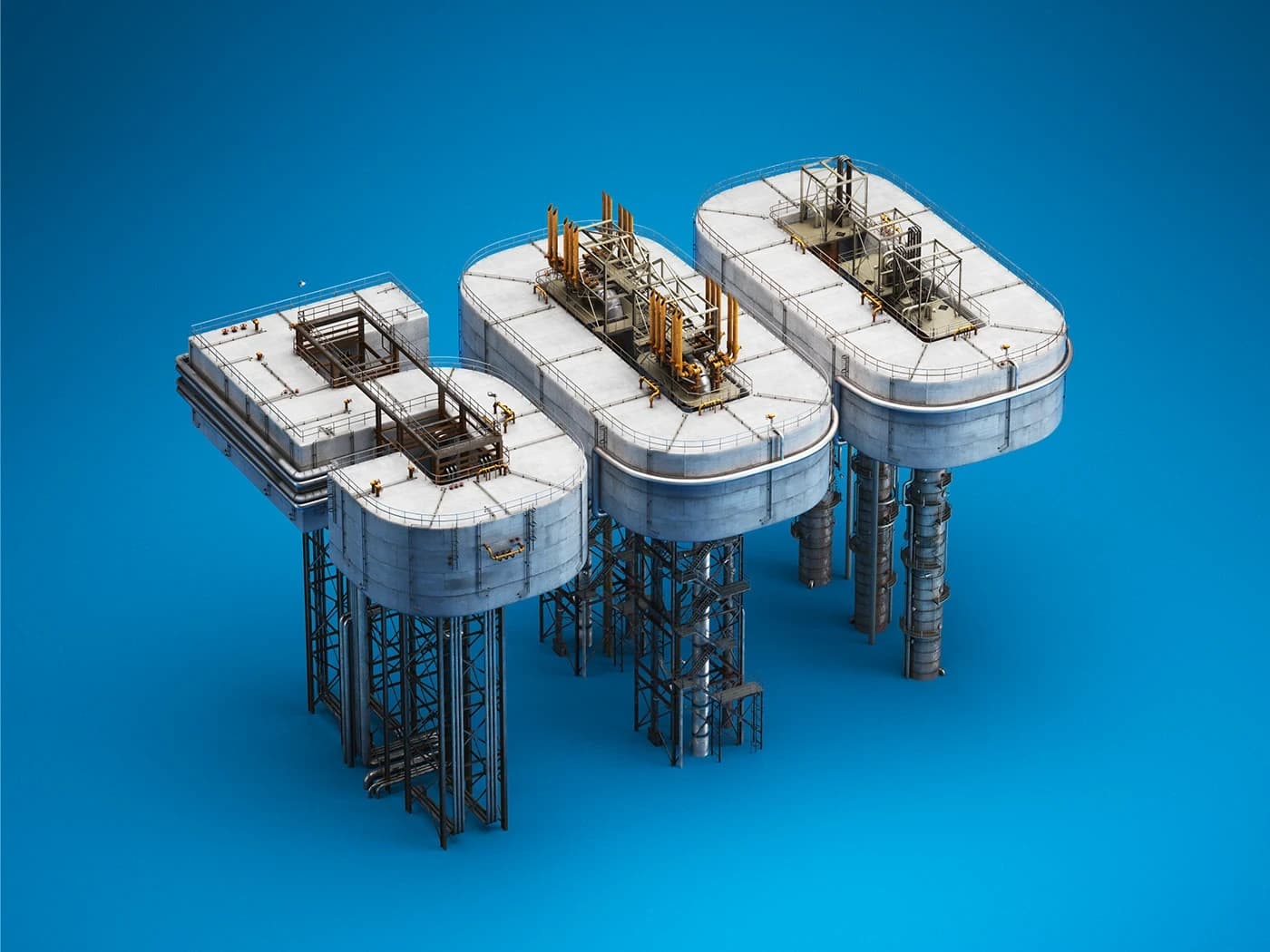
CinevisualFX posted about a 7UP campaign three times in July 2026. The first post landed zero engagement. The second pulled six likes. The third got nothing: no replies, no quotes, no retweets. That is the entire public footprint of a VFX studio's work on one of the most recognized beverage brands in America, a brand that has been on shelves since 1929.
That silence is not a red flag. It is the default state for the specialty shops doing the invisible half of Fortune 500 advertising: the VFX houses, the color studios, the sound designers who never sit in a pitch room and never sign an agency-of-record contract, yet somehow end up touching national campaigns anyway. CinevisualFX's tweets describe "countless hours of artistry, precision, and innovation," "pushing creativity beyond the frame," and "creativity, collaboration, and attention to detail" on what they call an "energetic 7UP commercial." Nobody argued with them. Nobody engaged with them at all.
That gap between claim and confirmation is the actual story here. Not a campaign profile. Not a brand-versus-agency narrative. A signal, small and mostly unverified, that points at something bigger than one studio and one soda brand: an entire layer of production talent that lands Fortune 500 CPG work constantly, and gets covered almost never.
Why This Isn't A Campaign Profile
Free Agency Media doesn't build agency profiles out of a company's own social posts. Three self-promotional tweets with a combined engagement in the single digits do not clear our bar. There's no confirmation from 7UP or its parent company. No campaign credits list. No named creative director. No agency-of-record on record anywhere. What exists is a studio claiming a piece of a recognizable brand's commercial, posted into a void.
The search data backs up the void. The keyword cluster built around this story, "7up," "7up agency," "7up campaign," "independent agency wins," "brand agency relationship," pulls a combined 0 monthly searches. Zero agencies show up competing for visibility in this space. The specific term "taps cinevisualfx inside" registers 0 searches a month too. Nobody is typing these words into Google, which means nobody is actively hunting for the answer to who made this commercial. That's not a failure of the studio's work. It's a structural fact about how CPG production credits move through the world: they don't, unless someone forces them to.
Run the actual top 10 results for "7up" and the pattern holds. The brand's own site. A Wikipedia entry noting the soda launched in 1929. A grocery locator from Baker's Plus. The brand's Instagram feed, captioned with things like "Serving up Lululime." A YouTube explainer on how the name came to be. A flavor rundown from a site called Popsamerica. Six results reviewed. Zero trade mentions. Zero agency credits. Zero production studio names. A 97-year-old brand with global recognition and a production history that is functionally invisible to search. That's the second half of the paradox: the more famous the brand, the less anyone bothers to ask who's actually making the work behind it.
The Layer Below Agency Of Record
The "who won the 7UP account" framing misses something entirely: most Fortune 500 CPG brands don't run their commercials through a single agency doing every job. There's the agency of record handling strategy, brand positioning, the client relationship, the stuff that shows up in AdAge headlines. Then there's a second layer underneath, one that almost never gets a press release: the VFX studios, animation houses, and post-production shops that get briefed on a specific spot, execute the visual effects, and hand it back without ever touching the account relationship.
CinevisualFX's own language points directly at that role. "Every great commercial is powered by collaboration," one post reads, describing "high-end visual effects" work. Another talks about delivering VFX that brought "every visual moment to life" in a "vibrant 7UP campaign focused on freshness, energy, and fun." This is vendor language, not agency-of-record language. It's the vocabulary of a studio that gets a brief, executes a specific deliverable, and moves to the next job. No mention of strategy. No mention of the client relationship. No mention of the pitch that won the business in the first place, because studios like this typically aren't in that room.
That's not a lesser position. It's a different one, and it's where an enormous amount of Fortune 500-caliber craft actually happens. A studio doesn't need agency-of-record status to do work that ends up on national television. It needs a brief, a deadline, and the technical chops to deliver. The agencies chasing headline AOR wins get the trade coverage. The studios executing the actual pixels underneath those campaigns get three tweets and six likes. Both are doing real work. Only one gets profiled.
This is where independence, as a frame, actually gets interesting. Nobody at CinevisualFX is framing this as an unlikely win. None of their posts apologize for their size. It's straightforward: here's the work, here's the collaboration, here's the craft. That's the correct posture for a specialty shop operating in this layer of the industry. The work speaks. The account relationship isn't the point, and the studio doesn't seem to think it needs to be.
What Zero Search Volume Actually Means
Zero monthly searches for "7up agency" doesn't mean nobody cares about advertising. It means the discovery mechanism the industry relies on, the trade press cycle of "Agency X wins Brand Y's business," doesn't extend down into this layer. Trade coverage is built to track pitches, RFPs, and account moves. It's built for stories with a clear before-and-after: brand was with Agency A, brand moved to Agency B, here's why. It is not built to track a VFX studio getting briefed on a single spot for a client it may never work with again.
That structural blind spot creates an information gap, and the gap is bigger than one soda brand. Every major CPG advertiser runs dozens of specific executions a year through production vendors who never appear in a case study, never get named in a trade write-up, and never show up when you search the brand plus "agency." The account-level relationship gets covered. The execution-level relationship, where a huge share of the actual craft lives, mostly doesn't. It isn't that the trade press is failing at its job. It's that its job was never designed to reach this far down the supply chain in the first place.
That absence of visibility isn't proof that nothing is happening. It's the opposite. It's proof that the coverage model itself wasn't built to see this layer of the business. A studio can do genuinely strong VFX work on a Fortune 500 spot, post about it honestly, get zero engagement, and generate zero search volume, all while the work runs on national television reaching millions of viewers who never think about who built the shot. The disconnect between production reality and public discoverability is the actual trend worth naming, and CinevisualFX's quiet 7UP posts are simply one small, honest data point inside it.
Multiply that data point by every CPG brand running national spots this quarter, and the scale of what isn't being tracked starts to come into focus. It's not a handful of studios slipping through the cracks. It's a standing feature of how the industry's visibility apparatus was built, one that was never designed to capture execution-level work in the first place, and never retrofitted to do so once that work became the majority of what actually gets produced.
The Verification Standard We Won't Skip
Turning this from a signal into a story requires confirmation from 7UP or Keurig Dr Pepper naming CinevisualFX as a vendor on the campaign. A credits list. A trade write-up naming the agency of record alongside the production partners. A brief, a timeline, a named creative lead on either side. Any one of those would clear our bar. Right now, none of them exist, and that's fine. Not every real piece of work comes with a press release attached.
Manufacturing certainty here would be a mistake. There's no invented headcount for CinevisualFX, no guessing at their client roster beyond what they've actually posted, and no founding story built from thin air just because it would read better. The studio posted three times about a 7UP campaign, using language that describes real collaborative production work. That's what we know. Stretching it into a full profile would be the kind of press-release rewrite this industry already has too much of, and it's precisely the habit this publication exists to avoid.
What can be said with confidence is the pattern this fits into. Specialty production shops land Fortune 500 CPG work constantly without agency-of-record status, without trade coverage, and often without any measurable public engagement at all. Their size and independence aren't the reason this happens. It's because the execution layer of advertising doesn't require the AOR relationship to produce work that reaches a mass audience. A studio just needs the brief and the craft. CinevisualFX's own words, "collaboration," "precision," "attention to detail," describe exactly that kind of work, whether or not the internet ever notices it happened.
The bigger story here isn't 7UP. It's every other spot like this one running right now, made by a studio nobody's searching for, credited nowhere, generating zero engagement, and reaching millions of people anyway. That's not a gap in the independent agency world. That's most of it, quietly running underneath the account-level headlines the trade press actually covers.
When verification catches up to that layer, and eventually it will, the story won't be about one soda brand. It'll be about how much of the industry's real craft has been operating in that gap the entire time, unbothered by whether anyone was watching. Until that reckoning arrives, the work keeps airing, the credits keep going unwritten, and studios like CinevisualFX keep posting into a silence that says more about the industry's blind spots than it does about the quality of what they built.
Free Agency Media Editorial
All newsYou might like
The Production Moat Is Gone, and Lean Agencies Are Cashing In
IllustrationXThe Production Moat Is Gone, and Lean Agencies Are Cashing In
IllustrationX
The Fujifilm Claim No One Can Verify

Why Independent Agencies Are Winning Heritage Storytelling