Roastbrief Won Three Industries With Zero Search Volume
An independent shop closed briefs with Delish, Valvoline Instant Oil Change, and Wicked Weed Brewing while generating zero search interest, proof that reputation still beats visibility.
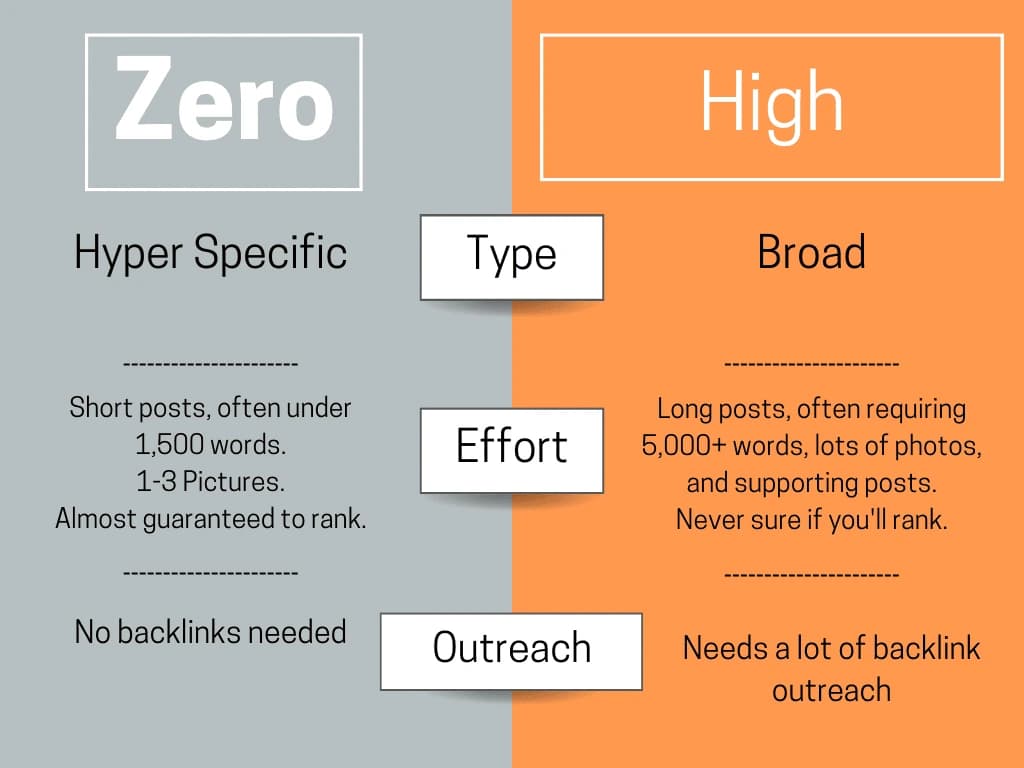
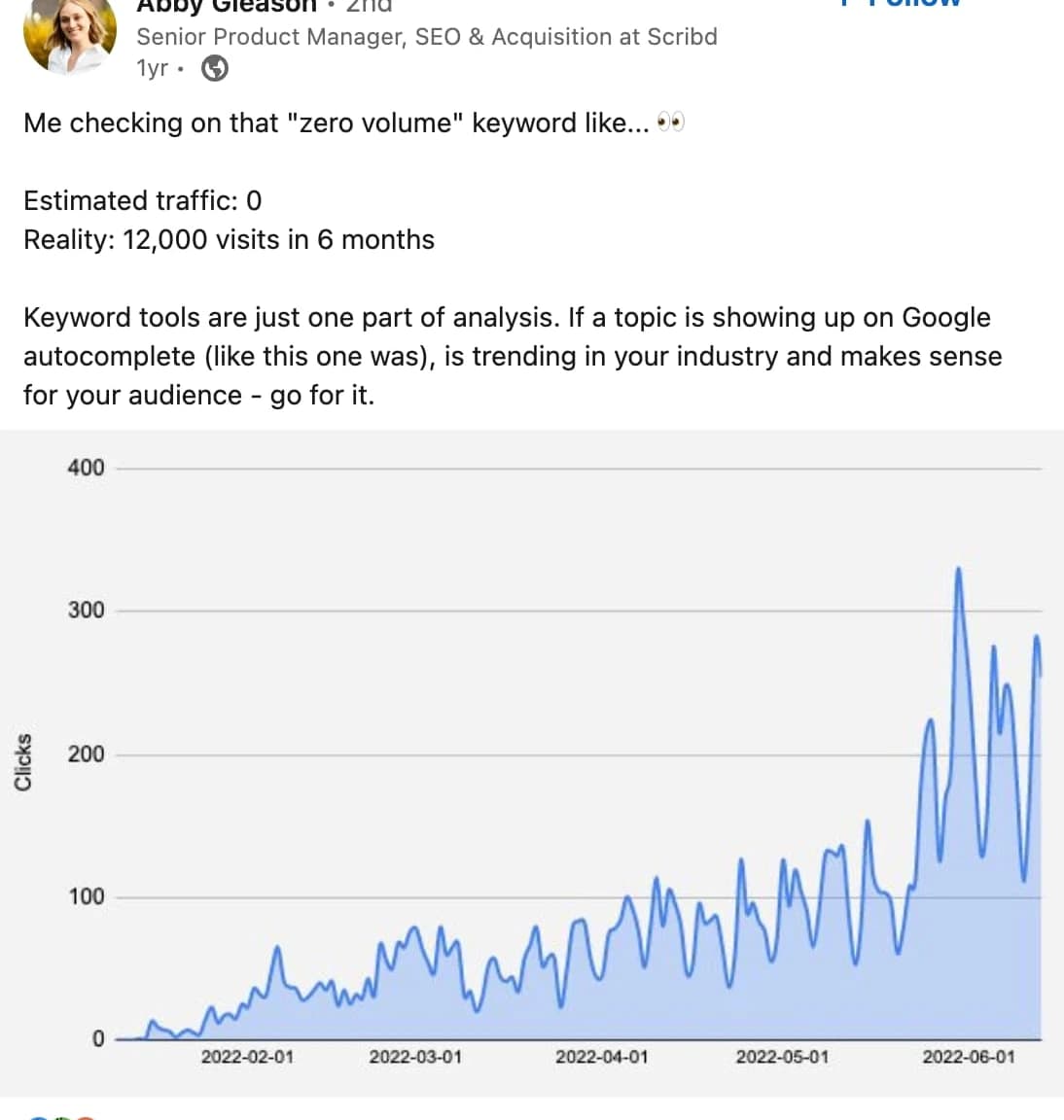
Zero. That's how many monthly searches exist for "Roastbrief" or "Roastbrief agency" right now. Zero is also how many agencies show up when you search for content about this shop's new business run. And yet in the span of one stretch, Roastbrief closed briefs with Delish, Valvoline Instant Oil Change, and Wicked Weed Brewing: a food media brand, a nationwide auto service chain, and a craft brewery, three categories that share almost nothing except the fact that all three picked the same independent shop to solve very different problems.
That's the paradox worth sitting with. An agency can win real business, across real categories, from real brands, and still generate a search volume of zero. There's no SERP narrative, no X threads, no trade press writeup. In an industry that increasingly measures relevance by share of voice, Roastbrief is proving you can win the thing that actually matters, the brief, without winning the thing everyone assumes you need first: the buzz.
Three Wins, Zero Search Volume, One Real Pattern
Most agency growth stories get written backward. A shop makes noise, the noise becomes a trend piece, and eventually someone checks whether the work backs up the narrative. Roastbrief's story runs the other direction. The work came first. The wins are verified: three named clients, three separate categories, zero online noise generating the appearance of momentum before the momentum was real.
That sequencing matters more than it looks like on the surface. When an agency's search footprint is flat at zero and its client roster is climbing anyway, the wins aren't being manufactured by a PR engine. They're being manufactured in pitch rooms, which is the only place they were ever supposed to happen. Nobody found Roastbrief through a trend piece. Somebody found Roastbrief through a brief, liked what came back, and signed.
That's the entire model working exactly as designed. An independent agency doesn't need a content calendar to win Valvoline Instant Oil Change. It needs an idea that survives the room. Roastbrief has now done that three times in three different categories, and the internet hasn't caught up yet. That gap between real momentum and public narrative is exactly where this story sits, and it's rare. Most of the time, by the point an agency's win streak is legible, the streak is already over or already commoditized into a press release. This one is still live.
What Delish, Valvoline Instant Oil Change, and Wicked Weed Brewing Actually Have in Common
Look at the client list and the first instinct is to find the thread. One is a media brand, one is a nationwide auto service brand, one is a craft beer brand. On paper these don't share a category, a customer, or a media mix. Delish lives inside food content and recipe culture. Valvoline Instant Oil Change lives inside a nationwide network of physical locations selling a fifteen-minute service visit. Wicked Weed Brewing lives inside the craft beverage world, a category built on regional identity and brand story as much as liquid.
Three clients, three categories, zero overlap in the obvious sense. And that's precisely the pattern worth naming, because the overlap isn't in the category. It's in the brief. Each of these brands needed an agency that could move fast, think culturally, and produce work fluent enough in a specific audience's language to feel native rather than bolted on. That's not a vertical specialty. That's a creative capability, and it's the kind of capability that either exists in a shop or it doesn't. It can't be faked with a case study.
This is the thing holding companies structurally struggle to deliver, and it's worth being specific about why. HC networks are built around specialization: this agency does auto, that agency does food, a third does beverage, and clients get routed to whichever P&L owns their category. That model works when the brief is predictable. It breaks down when the brief calls for range: a shop that can sound like a food media brand on Tuesday and a quick-lube chain on Thursday without either sounding like a stretch.
Roastbrief's three wins suggest a shop built for exactly that kind of range. Not a generalist in the sense of doing a little bit of everything adequately. A generalist in the sense of having a creative process flexible enough to solve unrelated problems at the same caliber. That's a harder thing to build than a category specialty, and it's a much harder thing to fake in a pitch.
The Zero-Chatter Signal: Why Invisibility Isn't a Problem
Every number in this piece so far has been a zero, and that's worth addressing directly instead of treating it as a gap in the reporting. There are zero monthly searches for "Roastbrief," zero for "Roastbrief agency," zero for "Roastbrief independent agency," and zero competing pieces of content trying to define this agency's narrative. In an industry obsessed with search visibility and share of voice, that's usually read as a weakness. It isn't one here, and the reason why says something bigger about how indie shops actually win business in 2026.
Clients don't Google agency names before they brief them. They get referred, see the work in a category they respect, and hear about a shop from another CMO who already ran a brief through them. The search volume for an agency's name is a lagging indicator of press attention, not a leading indicator of pitch performance. Roastbrief's zero is evidence the wins are happening through the actual mechanism new business has always run on: reputation traveling through rooms, not rankings traveling through Google.
That's an uncomfortable truth for an industry that's spent the last five years building content marketing engines around agency thought leadership. A shop can publish a newsletter every week, run a podcast, build a personal brand for its founder, and still lose the brief to a fifteen-person team nobody's heard of, because that team's last three campaigns are still being talked about inside the category that matters. Visibility and credibility are not the same currency, and Roastbrief's run is a clean case study in which one actually closes business.
None of this means the zero stays at zero. It means the zero is currently uncontested territory, and that's the actual opportunity here. There's no SERP to outrank because nobody's written the story yet. There's no social narrative to correct because nobody's built one yet. Whoever writes the first real account of how this agency is winning gets to shape how the industry understands it, and right now that's an open lane with no competition sitting in it.
The Category-Diversity Playbook Other Indies Ignore
Most independent agencies, when they find early traction, do the opposite of what Roastbrief appears to be doing. They pick a lane and defend it. A food and beverage shop, an auto and mobility shop, a CPG specialist. The logic is sound on its face: category depth builds credibility faster, referrals compound within an industry, and clients like working with agencies who already speak their specific language. Niching down is the standard playbook, and for a lot of shops it's the right one.
But niching down has a ceiling, and the ceiling shows up exactly when a shop tries to win outside its lane. A beverage specialist pitching an auto client has to spend half the room explaining why category expertise transfers. A food-focused shop chasing a media client has to prove range it's never had to prove before. Three wins across three unrelated categories means Roastbrief isn't spending pitch time justifying range. It's spending pitch time proving the work, because the range is already the evidence.
That's the lesson other indie shops keep skipping. The instinct to specialize is a defensive move, built to survive in a market where holding companies dominate categories through scale. But independence isn't a scale disadvantage that specialization compensates for. It's a structural advantage that lets a shop go wherever the best brief is, unconstrained by a category P&L that only gets credit for keeping clients inside predefined verticals. A twelve-person team with real creative range can pitch a media brand on Monday and an auto brand on Wednesday, and there's no internal politics telling them to stay in their lane. HCs can't do that. Independents can, and most independents don't use the advantage.
Roastbrief's client list is a working argument for using it. Three categories, one shop, zero apparent hesitation about whether the brief fit some predefined specialty. That's not a workaround for scale. That's a strategic bet that creative capability is portable and category expertise is learnable inside a four-week pitch process if the underlying thinking is strong enough. So far, across Delish, Valvoline Instant Oil Change, and Wicked Weed Brewing, that bet is paying off three times running.
What This Means for How Indie Shops Should Chase New Business
The instinct across the independent agency world right now is to treat new business as a content problem. The instinct is to post case studies, build the founder's LinkedIn presence, get featured in the trade press, and optimize for the search terms a prospective client might type into Google before they ever pick up the phone. None of that is wrong exactly, but all of it assumes the client's journey starts with a search bar, and Roastbrief's zero search volume is a direct challenge to that assumption.
If the wins are real and the search activity is flat, the actual new business engine here isn't content. It's proof. Three briefs won across three categories functions as its own kind of marketing, one that doesn't require an agency to publish a single word about itself. The work becomes the pitch deck. The client becomes the reference. The next brief comes in not because a prospect found a blog post but because someone in the industry already knows the name from a room they were in or a campaign they respected.
That's a harder engine to build than a content calendar, and it's also a more durable one. Content marketing scales awareness, but awareness without proof just produces more pitches an agency loses. Proof scales trust, and trust is the only thing that actually survives a competitive review process. An agency winning through pure content presence has to win the room from a cold start every time. An agency winning through reputation walks into the room with half the argument already made before anyone opens the deck.
The other lesson buried in this pattern is about pitch selection itself. Winning three unrelated categories back to back isn't an accident of who happened to send briefs that quarter. It suggests a shop being deliberate about which pitches to enter in the first place, chasing briefs where the creative problem is genuinely interesting rather than briefs that simply fit a category comfort zone. That's a discipline a lot of growing indie shops lose the moment new business gets urgent. Taking every brief that comes in drops the win rate, because half of those briefs were never a fit to begin with. Being selective about categories raises it, because every pitch is one the shop actually has a real answer for.
The clearest signal in this run is that momentum shows up in whether the last three wins stand next to each other as proof of range, not in search rankings or press mentions. If they can't, that's the gap to close before the next new business push, not after.
Where Roastbrief Goes From Here
The zero doesn't last. That's the nature of momentum in an industry this networked. Three wins across three categories generates conversation inside client-side marketing circles long before it generates conversation in trade press, and eventually those two timelines converge. The search volume moves from zero because prospective clients start typing the name in before a first call, wanting to know what they're walking into. The SERP fills in because somebody, inevitably, writes the story once the pattern is undeniable.
The question worth watching is what happens to the work once the narrative catches up to it. Plenty of independent agencies hit a run like this and then let the attention change the behavior: chase more press instead of more pitches, build the personal brand instead of building the next campaign, mistake the write-up for the win. The agencies that turn one winning streak into a decade of relevance do the opposite. They treat the attention as noise and keep the discipline that produced the wins in the first place: selective pitching, category range, work built to hold up next to whatever the last brief produced.
Right now, Roastbrief is sitting on a genuinely rare asset in this industry: real wins with zero narrative attached. That's not a gap in the data. That's a head start. Whether it turns into the kind of durable independent agency story the industry tells for years, or a quiet run that fades once the next hot pitch takes the spotlight, comes down to what happens in the next set of briefs, not the last three. The work got them here without a single search result to help. The work is still the only thing that keeps them here.
Free Agency Media Editorial
All newsYou might like
The Production Moat Is Gone, and Lean Agencies Are Cashing In
IllustrationXThe Production Moat Is Gone, and Lean Agencies Are Cashing In
IllustrationX
The Fujifilm Claim No One Can Verify
Why Independent Agencies Are Winning Heritage Storytelling